Choose a battery-powered Bluetooth keyboard if flexible placement matters and your transcription device supports it; check the layout, pairing and battery arrangements before the interview. A wired USB keyboard avoids managing keyboard batteries if you can spare a compatible device port and accommodate its cable. If you will type near a live recording, assess the exact model’s key noise rather than assuming that a mechanical or wireless keyboard will be quiet.
Who needs which setup?
Transcribers working with limited sockets
If another device needs the available wall socket, consider a keyboard that runs on batteries or connects through the transcription device. Check Bluetooth compatibility or the USB port needed by a receiver, as well as where the keyboard will sit.
People typing near an interview or recording
Key noise matters when someone is speaking nearby or audio is being captured. Logitech describes Pebble Keys 2 as having quiet low-profile keys, while Razer specifies silent linear switches for the Pro Type Ultra; neither description establishes how the exact keyboard will sound in your room.
People editing long transcripts
For sustained typing and correction, consider the key layout and whether you want palm support. Logitech describes Wave Keys as having a wave-shaped frame and cushioned palm rest, but its shape and size still need to suit your desk and typing preference.
What to check before buying
Start with how the keyboard will connect and receive power, then consider typing noise and the layout you will use for editing. A wireless connection frees the keyboard from a device cable, but it does not remove pairing or future charging or battery needs.
| Concern |
What to check |
Who this matters to |
| Connection and power |
Check Bluetooth support or a compatible USB port, and whether the keyboard uses replaceable batteries, USB charging or a wired connection. |
If the socket is needed for other equipment, I want to place my keyboard without adding a mains charger during the session. Around 40% of consumers would make power and placement their primary concern. |
| Typing noise |
Check the exact model and switch version for a quiet-key description; seek model-specific sound observations if recording-room noise is critical. |
When someone is speaking or audio is being captured nearby, I do not want my typing to become a distraction. Quiet key action would come first for around 30% of consumers. |
| Long-session layout |
Check the UK key legends, navigation keys and any needed number pad; consider palm support and shortcut-configuration requirements. |
If I will spend a long session correcting a transcript, I need keys and support that suit the way I edit. Around 30% of consumers would prioritise typing comfort and layout. |
Common buying mistakes
-
Assuming wireless means no power planning
A rechargeable keyboard still needs periodic USB charging, while a model with replaceable batteries needs fresh cells. Either arrangement may work with limited wall sockets, but they require different preparation.
Check the exact model’s power system and decide whether you can charge it from your device or at another time, or keep replacement batteries available.
-
Choosing Bluetooth without checking the transcription device
A Bluetooth keyboard must pair with a compatible device. A keyboard using a wireless receiver may instead need an available USB port.
Check the device’s connection options and operating-system compatibility, then pair and test the keyboard before the interview. Logitech’s pairing guidance recommends selecting the keyboard in the device’s Bluetooth settings.
-
Assuming a mechanical keyboard will be quiet
Switch descriptions and keyboard construction differ by model. A manufacturer’s use of terms such as quiet or silent is not a comparable sound measurement.
Check the exact switch variant and look for model-specific sound observations if typing will take place near a live microphone.
-
Choosing a compact layout before checking editing keys
A smaller keyboard may change access to navigation or number keys used in your transcript workflow. Shortcut features can also depend on the relevant configuration method.
Check the UK or British English key layout, the keys you use to edit, and any software requirements for remapping before deciding that a compact model suits you.
Relevant brands to consider
Logitech
Relevant to compact Bluetooth keyboards and wireless models with palm support.
- Logitech specifies quiet low-profile keys and switching among three compatible devices for Pebble Keys 2. Wave Keys has a wave-shaped frame, cushioned palm rest and AAA battery operation.
- Check the exact UK layout and whether a compact model provides the navigation or number keys your editing workflow needs.
Keychron
Relevant if you want a compact UK-ISO mechanical layout with both Bluetooth and wired connection options.
- Keychron lists the K3 Version 3 with a 75% layout, Bluetooth 5.2, wired connectivity and remapping through Keychron Launcher.
- Check the selected switch variant and its sound in your intended setting; a compact mechanical layout does not, by itself, establish quiet operation.
Razer
Relevant to buyers considering a full-size mechanical keyboard with several connection options.
- Razer specifies silent linear switches, a wrist rest, USB-C wired connectivity, Bluetooth and 2.4 GHz wireless for the Pro Type Ultra.
- Check the exact key legends before choosing it for a UK layout: the referenced product configuration is DE-labelled. The switch description is not an independent sound measurement.
Apple
Relevant to users of compatible Apple devices seeking a compact British English Bluetooth keyboard.
- Apple lists its Magic Keyboard (USB-C) in British English and describes it as rechargeable, with about a month or more between charges.
- Check Apple’s stated device and operating-system requirements; it is not a universal choice for a Windows transcription setup.
Keyboard options on Joybuy
These options cover wireless and wired approaches to typing when wall sockets are limited. Compare each keyboard’s layout and device connection with your setup; descriptions of quiet keys should not replace a check of how the exact model sounds near a recording.
 No image available
Targus EcoSmart™ Full Size Wireless Keyboard (UK)
Consider this full-size wireless option if you want a UK-layout keyboard without a cable across the interview desk. Check its power arrangement and connection compatibility, and whether its key noise suits your recording space.
View on Joybuy
 No image available
HP 960 Ergonomic Split Layout Wireless Keyboard with Padded Wrist Rest
The split layout and padded wrist rest make this a model to consider for extended transcript editing. Check its exact key legends against your UK-layout preference, as well as the connection and power arrangements for your device.
View on Joybuy
 No image available
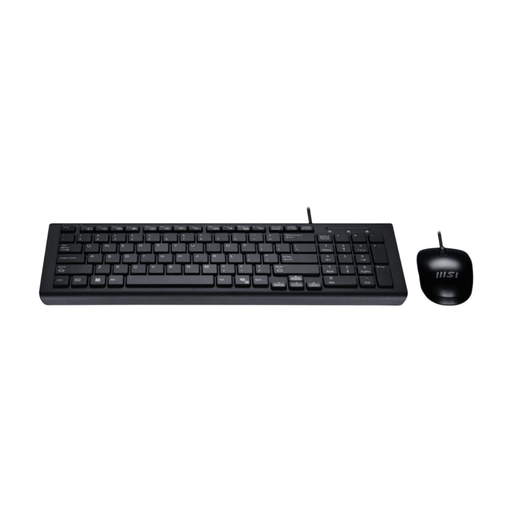
MSI GK-701 Office USB Keyboard and Mouse Set, UK Layout
Choose a wired setup if you would rather avoid managing keyboard batteries and can route a cable from the transcription device. This UK-layout set includes a mouse; check that your device has the compatible USB connections you intend to use.
View on Joybuy
 No image available
ET Silent Wireless Keyboard and Mouse Set, 2.4GHz, US Layout
This full-size wireless set is an option if your device can use its 2.4GHz connection. It is labelled US layout, so compare its key legends with the UK layout you need; also check the exact keyboard’s sound if you will type near a recording.
View on Joybuy
 No image available
Ticktype DP104 Tri-Mode Mechanical Keyboard, Gecha Gray, US Layout, Silent Tactile Switches
Consider this 108-key model if you want a mechanical keyboard with the listed 8000mAh capacity and can use its US layout. Confirm which connection mode works with your transcription device and assess the silent tactile switch variant’s sound before using it near a live recording.
View on Joybuy
Frequently asked questions
Will a wireless keyboard free up a plug socket during transcription?
It can let you type without connecting the keyboard to a wall socket during the session, but its power source still needs planning. Logitech’s Wave Keys uses AAA batteries, while Apple’s rechargeable Magic Keyboard needs periodic USB-C charging; a wired keyboard normally connects to the transcription device instead.
When should I pair a Bluetooth keyboard for an interview?
Pair and test it before the interview rather than during the session. Logitech’s pairing guidance says to put a compatible keyboard in pairing mode, select it in the device’s Bluetooth settings and complete any pairing prompt.
Should I choose a UK keyboard layout for transcription?
Choose a UK layout if British key legends match the keys you expect to use while typing and editing. Check the exact variant: Keychron identifies a UK-ISO K3 Version 3, and Apple lists a British English Magic Keyboard.
What should I do if a keyboard bought in the UK is faulty?
Contact the seller with the fault details and keep your order confirmation or receipt. GOV.UK explains that consumer rights apply to goods bought remotely or in person; the appropriate remedy depends on the circumstances, rather than on whether the keyboard was bought online.


