Small-business invoice archivists
If you keep invoice PDFs, scans, accounting exports and supporting files over time, you need capacity for the archive and a recurring backup routine you can maintain.


Choose a portable hard drive when your main need is space for a growing invoice archive, or a portable SSD when you move folders frequently and want a compact drive. A rugged SSD is worth considering when the drive travels and its stated handling protections matter to you, but none of these drives should be the only copy: check compatibility, test that you can restore files and disconnect the drive after backing up.
If you keep invoice PDFs, scans, accounting exports and supporting files over time, you need capacity for the archive and a recurring backup routine you can maintain.
If you regularly transfer invoice folders between work locations or share files with an accountant, a compact drive and a connection that works with your computers may matter more than archive capacity alone.
If your invoice backups travel, consider how you will control access, protect the drive while carrying it and keep a separate copy. The National Cyber Security Centre advises disconnecting removable backup media when it is not in use.
Decide how much you need to retain and how often you will move the files, then check that your computer and backup software can use the drive. Plan how you will keep a restorable copy separate from the working computer.
Consider it: Your invoice scans and supporting files need substantial local archive space, and the drive will usually stay at a desk.
Check: Connections and formatting vary by model; Seagate says its Backup Plus Portable may need reformatting for Time Machine.
Consider it: You frequently copy invoice folders or carry the drive between work locations.
Check: Crucial says the X9's actual transfer performance varies with the host and connection; confirm the requirements of your backup software too.
Consider it: The backup travels and the manufacturer's stated resistance to dust, splashes or drops is relevant to how you carry it.
Remember: Samsung's T7 Shield ratings come from controlled tests, and Samsung says liquid, dust and drop damage is not covered by its warranty.
| Concern | What to check | Who this matters to |
|---|---|---|
| Recoverable backups | Set a recurring backup routine, try restoring files and disconnect the drive when it is not in use. | If my laptop fails or is compromised, I need to recover invoices from a separate copy rather than discover that a connected backup was affected too. Around 42% of consumers put recoverability first. |
| Archive space and compatibility | Allow capacity beyond today's folder size; match the port, file system and backup tool to your computer. | As my invoice scans and exports accumulate, I need room to retain them in a format my backup setup can use. For around 33% of consumers, archive space and compatibility are the primary concern. |
| Carrying and access | Review the maker's handling conditions and any access-control setup before taking records between locations. | When I carry confidential invoices, I want to manage access if the drive is misplaced and understand its physical limits. That is the leading need for around 25% of consumers. |
The National Cyber Security Centre has seen ransomware affect connected USB and network backup drives as well as the original files.
After checking that the backup has finished, safely disconnect and store the drive; keep another separate copy of important records.
A drive needs to connect to your computer and work with your chosen backup tool. Seagate says its Backup Plus Portable may require reformatting for Time Machine use.
Check ports, cables, file-system requirements and backup software before purchase. Copy existing files elsewhere before reformatting a drive.
An adapter or a change of format may add setup steps and time spent moving files.
Samsung says the T7 Shield's stated maximum speeds require a compatible USB 3.2 Gen 2 host, UASP support and cable; Crucial also says X9 performance varies.
If transfer speed will affect your routine, check the computer and cable against the particular drive's requirements rather than relying on its headline figure.
Samsung's T7 Shield water, dust and drop claims reflect controlled test conditions, and Samsung excludes damage from those causes from its warranty.
Handle and store the drive carefully, and retain another backup copy even if you choose a rugged model.
Seagate's Backup Plus Portable is an HDD option to consider for a larger local invoice archive.
Crucial's X9 is a compact, USB-C portable SSD option for people who move invoice folders frequently.
Samsung's T7 Shield is a rugged portable SSD option to assess when an invoice-backup drive travels.
These Joybuy options cover portable HDDs for local invoice archives and portable SSDs for carrying or frequently transferring files. Choose the capacity and connection that fit your setup, then plan a separate, restorable backup copy.
 No image available
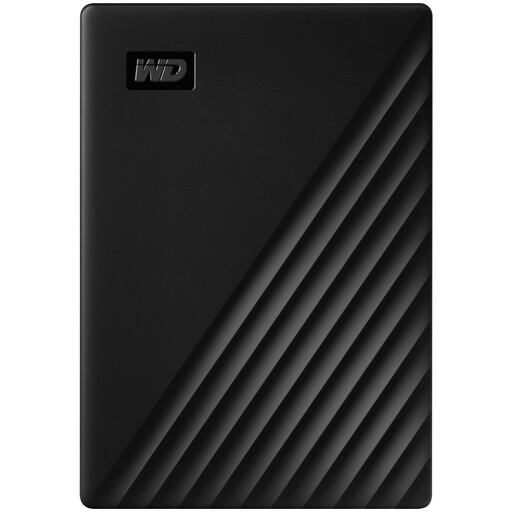
Consider this portable HDD if your invoice archive needs 4TB of stated capacity. Check that its connection and your intended file-system and backup-software setup work with your computer.
 No image available
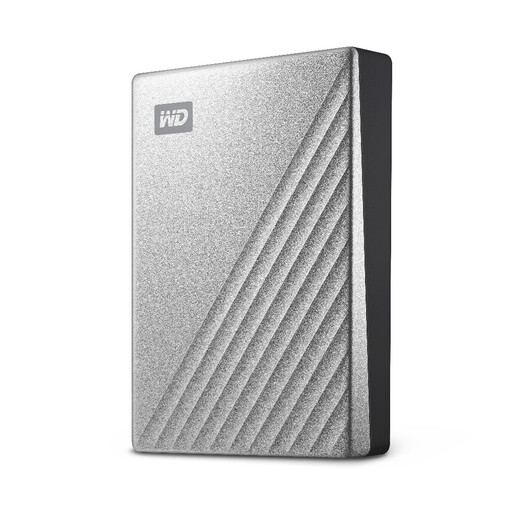
This portable HDD offers a stated 4TB for an invoice archive. Before choosing it, confirm that your computer and intended backup software can use the drive's connection and file system.
 No image available
Consider this portable SSD if you regularly carry or transfer a sizeable invoice folder. Its stated capacity is 4 TB and its listed connection is USB Type-C 3.2 Gen 2; check computer, cable and backup-software compatibility before relying on it.
 No image available
This 4 TB portable SSD is an option when you need to carry an invoice archive and transfer it regularly. Its listed connection is USB 3.2 Gen 2x2; check your computer's USB support and the file-system requirements of your backup software.
 No image available
Consider this portable HDD if 2TB of stated capacity leaves sufficient room for your invoice files and future backups. Check its connection and the formatting requirements of your computer and chosen backup tool.
HM Revenue & Customs states in its VAT record-keeping guidance that records such as invoices should be retained for six years from their date of issue. Check which record-keeping requirements apply to your business before deleting the originals or their backups.
An external drive should not be your only backup copy of important invoices. The National Cyber Security Centre warns that ransomware can affect connected backup drives, so keep another copy separate and check that you can restore the files.
Disconnect it when it is not being used for a backup. The National Cyber Security Centre advises this because malware can affect storage connected to an infected computer; safely disconnect the drive after checking the backup and store it securely.
A drive can hold backup copies, but copying files to it does not by itself establish that your digital record-keeping workflow meets the applicable requirements. HM Revenue & Customs says records forming part of a VAT electronic account must be kept digitally in functional compatible software.
Check the file system required by your computer and backup software, and copy any existing files elsewhere before reformatting. Seagate says its Backup Plus Portable may need reformatting for Time Machine, so confirm the workflow for the particular drive you choose.