
24/7 Customer Support

Free returns

Same-day & Next-day Delivery

Quality Guaranteed

Unlock Your Welcome Offers: FREE Delivery | Up to 80% OFF | Free 30-day JoyPlus trial
Download the APP
Rain, dust, changing temperatures and limited winter daylight can expose weaknesses in outdoor lighting quickly. Whether you need outdoor LED lights for a garden, LED floodlights for a workshop, solar security lights for a driveway or wireless trailer lights for towing, the IP rating is only one part of the buying decision.
As the Joybuy Product Recommendation Officer, I focus on practical details that help shoppers separate useful specifications from vague marketing language. Here are the common traps to avoid before choosing IP65 waterproof LED lights.
An IP65 rating indicates protection against dust ingress and water jets from various directions. It does not mean a product can be immersed in water, placed in a pond or left where water regularly collects.
For UK use, installation still matters. Position wall-mounted lights so water can drain away, keep cable connections elevated where possible and follow the product instructions. Portable products such as smart LED lamps should be brought indoors during severe weather if the manufacturer advises it.
Lumens measure the amount of light produced, but they do not explain how widely or evenly that light is distributed. A narrow beam may appear brighter in one spot, while a multi-head light can cover a larger area with the same or a different output.
Also check the colour temperature. Daylight white around 6500K can suit workshops and construction areas, whereas warm white around 3000K is generally more appropriate for paths, patios and decorative garden lighting.
Solar security lights depend on sufficient daylight. Shaded walls, north-facing locations and overcast conditions can reduce charging performance. Mains-powered LED work lights need a suitable socket and cable length, while wireless trailer lights need charged batteries and correct pairing.
Before ordering, check whether the product includes a charger, mounting hardware, cable, transmitter or charging base. A low purchase price can become less attractive if essential accessories are missing.
Look for a clearly stated IP65 waterproof rating, not simply “weather resistant”. This rating is useful for rain and dust exposure, but it is not a substitute for correct installation.
Materials also affect durability. Aluminium housings can help with heat dissipation on high-output LED floodlights, while rubber protective edging may reduce damage from knocks. For garden products, corrosion-resistant metal poles, sealed plastic housings and protected solar panels are practical features for outdoor use.
Match the output to the task:
Adjustable heads, 360-degree stands, brightness modes and motion activation can reduce wasted light and make positioning easier.
Mains models provide consistent operation but require safe cable routing and a suitable outdoor electrical setup. Solar models avoid wiring, though their performance depends on sunlight, panel cleanliness and battery capacity.
For rechargeable products, examine the stated charging time and operating conditions. Battery life can vary with brightness, temperature, activation frequency and selected colour. Smart products may also require a compatible phone, hub or home platform.
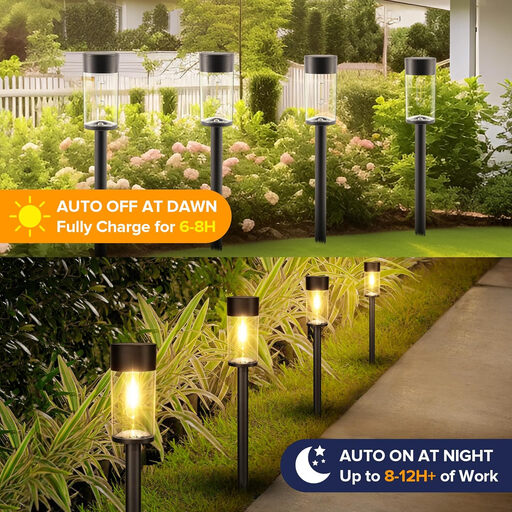
Why This Fits Their Persona: A straightforward option for UK homeowners and gardeners who want low-maintenance walkway or flower-bed lighting without mains wiring.
The listing specifies 10 lumens per light, 3000K warm white output, automatic dusk-to-dawn operation and an IP65 rating, making its intended decorative use clear.
Solar power, ground stakes, two lights per pack and stated 8–12-hour illumination after charging.
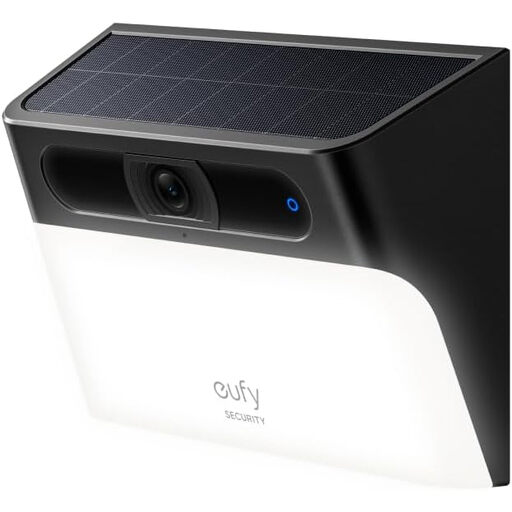
Why This Fits Their Persona: Suitable for smart-home users who want outdoor monitoring and motion-activated lighting in one wall-mounted device.
Its listing clearly identifies solar and battery power, a 300-lumen light, IP65 protection, Wi-Fi connectivity and local storage details rather than presenting it as a simple lamp.
2K camera specification, motion activation, two-way audio and no stated monthly fee.
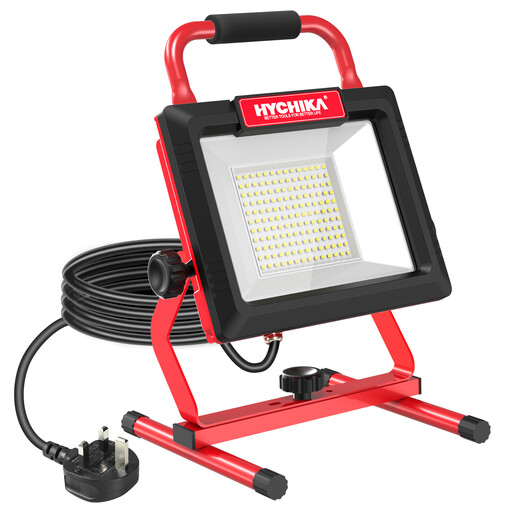
Why This Fits Their Persona: A practical match for DIY users, tradespeople, garages and outdoor jobs requiring powerful mains lighting.
The stated specifications include two power modes, a 2-metre cable, a foldable stand, 360-degree rotation and IP65 weather protection.
Selectable 6,000 or 12,000-lumen output, aluminium back cover, impact-resistant glass and adjustable positioning.
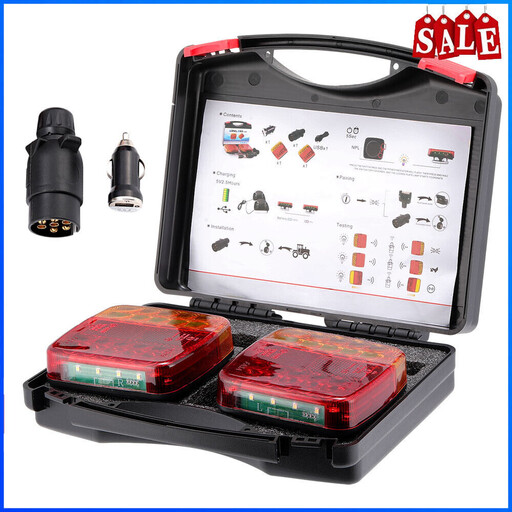
Why This Fits Their Persona: Designed for trailer, caravan, truck and agricultural users who need removable lighting without fixed wiring.
The listing specifies magnetic mounting, USB recharging, IP65 protection, pairing instructions and five functions, including indicators and brake lights.
Two removable lamps, a stated 2,000mAh battery and transmitter connection. Check your vehicle and trailer requirements before road use.
We have compiled a complete, real-time list of products that fully satisfy these strict selection criteria and UK safety regulations.
They can be suitable for exposed outdoor positions when installed according to the instructions. However, IP65 does not permit immersion, and charging bases, plugs and cable connections may have separate requirements. Inspect seals and housings regularly for damage.
Running cost depends on wattage and operating time. Solar lighting has no direct mains electricity consumption, while a 100W LED work light uses more power than a low-output pathway lamp. Adjustable modes, timers and motion activation can reduce unnecessary running time.
Lifespan varies by product construction, heat management, battery condition and exposure. Keep solar panels clean, avoid abrasive cleaners, allow hot work lights to cool before moving them and store portable lights indoors when they are not needed. Always replace products with damaged cables, cracked housings or compromised seals.