
24/7 Customer Support

Free returns

Same-day & Next-day Delivery

Quality Guaranteed

Unlock Your Welcome Offers: FREE Delivery | Up to 80% OFF | Free 30-day JoyPlus trial
Download the APP
A suitable iPhone screen protector should protect the display without making everyday use frustrating. Yet product listings often focus on impressive-sounding terms while leaving out the details that matter most: exact model compatibility, edge coverage, case fit and installation quality.
Before buying, watch for these common traps:
Start with the precise iPhone model, not just the generation. Check whether the listing states compatibility with your phone’s full name, such as iPhone 16, iPhone 16 Pro Max, iPhone 17 Pro Max or iPhone Air.
A protector may be described as “ultra-wide” or “full coverage”, but it should still leave enough space around the edges for your case. A case-compatible screen protector normally uses a carefully measured margin to reduce lifting when a case is fitted.
Also check whether the product is designed for a flat display, curved edges or a particular screen size. The measurements listed in the product information should correspond with your handset.
A tempered glass screen protector generally offers a rigid barrier against everyday contact with keys, coins and other objects. A 9H rating is useful as a comparison point for scratch resistance, but it is not a universal impact or drop-safety standard.
Look for surface treatments as well:
No protector can guarantee that a phone display will remain undamaged after every fall. A case with raised edges and careful handling remain important parts of overall protection.
For people who watch videos, edit photos or use navigation, high transparency and responsive touch are priorities. A clear protector should preserve the phone’s front-facing viewing experience, although any additional layer can slightly change the feel of the screen.
A privacy screen protector uses a filtering structure to limit visibility from side angles. This can be useful on trains, in cafés or at work when handling messages, passwords or documents. The trade-off is that the display may look darker or less clear when viewed off-centre.
Installation features deserve equal attention. An applicator, alignment frame or EasyAligner screen protector system can help position the glass accurately. Clean the display carefully, work in a low-dust area and follow the supplied instructions. “Bubble-free” describes the intended installation result, not a guarantee if dust is trapped underneath.
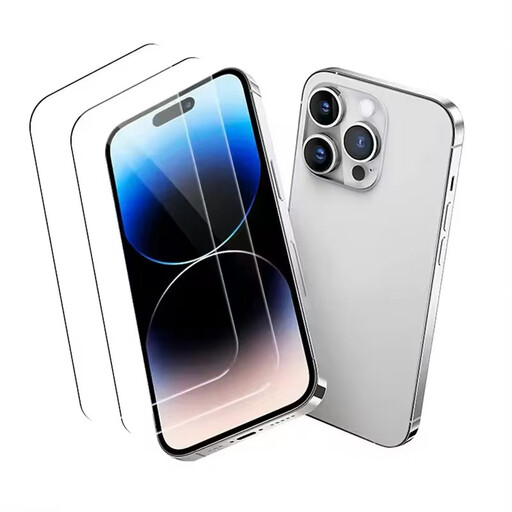
Why This Fits Their Persona: A straightforward option for iPhone 16 owners who want tempered glass, case compatibility and an included applicator without adding privacy filtering.
The listing specifies iPhone 16 compatibility and a 9H tempered glass construction, rather than relying only on a broad generation label.
Includes a screen protector applicator; features high light transmittance and fingerprint-resistant treatment.
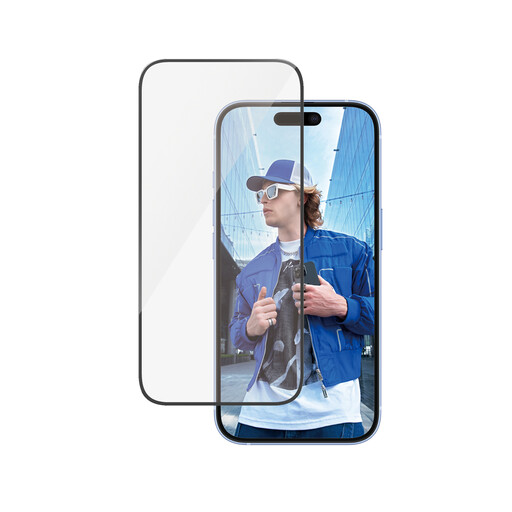
Why This Fits Their Persona: Suitable for users prioritising broad screen coverage, case compatibility and a guided installation process for regular daily use.
Its Ultra Wide Fit is described as leaving a slim margin for protective cases, helping address edge lifting caused by incompatible dimensions.
Made with 60% recycled glass; includes an EasyAligner tool, instructions and a QR video guide.
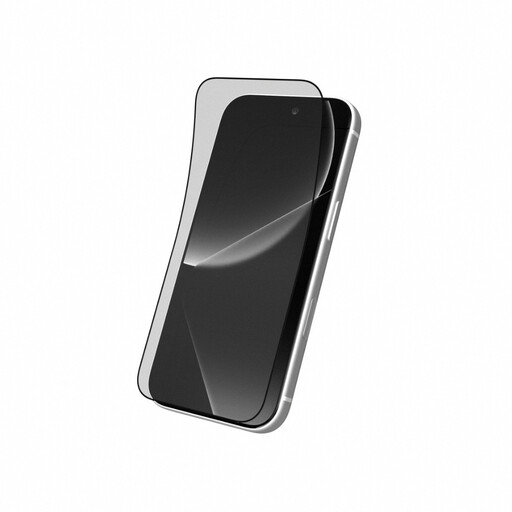
Why This Fits Their Persona: A practical match for large-phone users who want a clear protector with flexible impact-oriented material and an installation tool.
The product uses a flexible material designed to combine characteristics associated with tempered glass and plastic, rather than promising that glass is impossible to damage.
Offers high transparency, dirt-repellent treatment and an anti-blue-light feature; confirm the exact handset model before ordering.
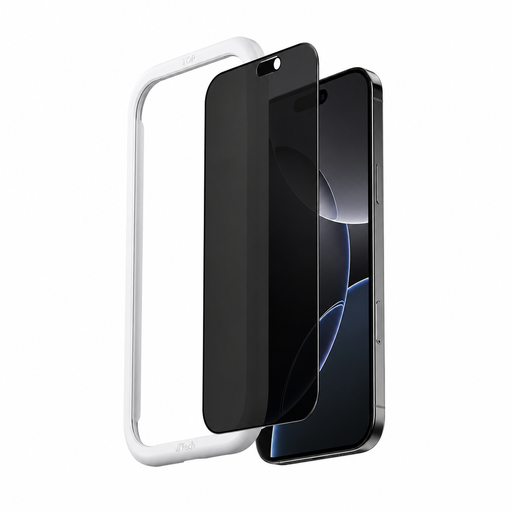
Why This Fits Their Persona: Designed for iPhone 17 Pro Max owners who regularly use their phone on trains, buses, in offices or other shared spaces.
The listing identifies privacy viewing from side angles and specifies iPhone 17 Pro Max compatibility, addressing both use case and fit.
Uses a 9H glass specification, anti-fingerprint treatment and an applicator; side-angle privacy may reduce off-centre viewing brightness.
If your existing protector is chipped, lifting at the edges or collecting dust, replacing it is usually more practical than repeatedly peeling it back. Repeated removal and reapplication can affect the phone’s surface coating.
We have compiled a complete, real-time list of products that fully satisfy these strict selection criteria and UK safety regulations.
There is no fixed lifespan. A protector may need replacing when it becomes cracked, heavily scratched, cloudy, loose at the edges or less responsive to touch. Everyday use, keys in a pocket, temperature changes and the quality of installation can all affect its condition.
A correctly fitted product should allow normal front-facing touch operation, but privacy filters can alter brightness and viewing angles. Check the product description for touch-response information and clean installation guidance before buying.
A 9H rating primarily indicates a stated level of scratch resistance. It should not be treated as a guarantee against impact damage. For more complete everyday protection, combine a correctly fitted protector with a case that has raised bezels and suitable corner coverage.