
24/7 Customer Support

Free returns

Same-day & Next-day Delivery

Quality Guaranteed

Unlock Your Welcome Offers: FREE Delivery | Up to 80% OFF | Free 30-day JoyPlus trial
Download the APP
By Joybuy Product Recommendation Officer
At-home IPL hair removal can reduce the need for frequent shaving, waxing and salon appointments, but choosing the right device requires more than comparing flash counts or polished advertising. The most suitable IPL hair removal device UK shoppers can buy depends on skin tone, hair colour, treatment areas, comfort settings and how consistently you are likely to use it.
Before comparing models, it is worth avoiding three common purchasing traps.
IPL works by directing light towards pigment in the hair. This means it generally works more effectively where there is sufficient contrast between the hair and skin. Devices in this category are commonly designed for naturally dark blonde, brown and black hair, but may not be suitable for white, grey, red or very light blonde hair.
Very dark skin tones may also be unsuitable for some home IPL devices because the light can be absorbed by the skin as well as the hair. Always check the manufacturer’s compatibility guide before purchase. A skin tone sensor improves guidance and adjustment, but it does not make an unsuitable combination safe.
Claims such as “two years of smooth skin” or rapid hair reduction normally depend on following a recommended treatment schedule. Individual results vary according to hair colour, skin tone, treatment area and consistency. IPL is designed for long-lasting hair reduction, not necessarily permanent removal.
Look for clear instructions covering the initial treatment phase and maintenance sessions. A device that is easy to use regularly may be more practical than one with impressive specifications that stays in a drawer.
A high flash rate is useful, but it is not the only factor affecting convenience. Cordless operation can make underarms, bikini lines and awkward angles easier to reach, while corded use provides uninterrupted power for larger areas. Attachments, skin contact sensors, comfort modes and app guidance can all influence whether a full-body IPL hair removal routine feels manageable.
An IPL device with skin sensor can read the skin tone and recommend or automatically adjust light intensity. Philips models use SmartSkin or SenseIQ features, while Braun models use SensoAdapt or Smart SkinProtect technology, depending on the model.
Also check for a skin contact sensor. This feature is designed to prevent a flash unless the treatment window is properly positioned against the skin. It helps reduce accidental flashes, although users should still follow the manual and avoid looking directly at the light window.
Attachments shape the treatment window for areas such as legs, face, underarms and the bikini line. More attachments can be useful if you want one home hair removal machine for several areas, but they may add cost without value if you only plan to treat your legs.
Check exactly which areas are permitted. Some Philips guidance excludes male facial hair and genital areas, while devices should not be used over tattoos, permanent makeup, moles, dark spots, irritated skin or recent sunburn unless the manufacturer specifically permits it.
Cordless IPL hair removal offers flexibility in rooms without a convenient socket and can make smaller or hard-to-reach areas easier to treat. However, battery-powered sessions require charging and may have different operating speeds.
Corded devices provide consistent power throughout a session and can be convenient for treating both legs or the whole body. For larger treatment zones, compare the stated full-body treatment time and consider whether a storage pouch or case is included.
Most devices require shaving before treatment, followed by an initial schedule and occasional maintenance sessions. A gentle or extra-gentle mode may be helpful for sensitive areas. Avoid waxing or epilating immediately beforehand if the instructions require the hair root to remain present.
IPL is a laser hair removal alternative, but the technologies are not identical. Home IPL uses broad-spectrum light and should be used only as directed. Carry out a patch or skin tone test where instructed, usually before the first full treatment, and stop if significant irritation or discomfort occurs.
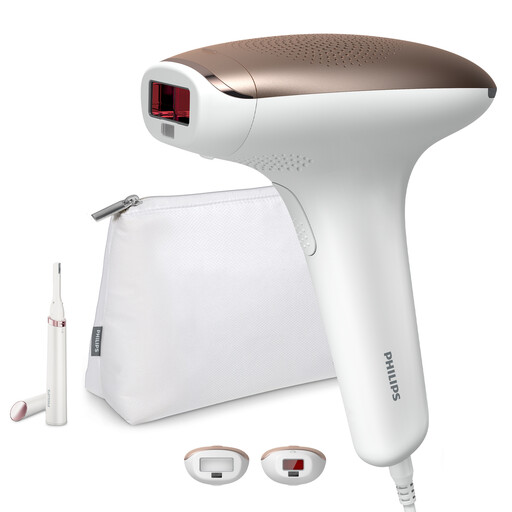
Why This Fits Their Persona: A practical starting point for shoppers who want body and precision attachments, app connectivity and a corded design without prioritising cordless treatment.
Its SmartSkin sensor helps guide intensity selection, while the supplied attachments make the device more versatile than a legs-only option.
Five intensity settings, body and precision attachments and no replacement lamp required.
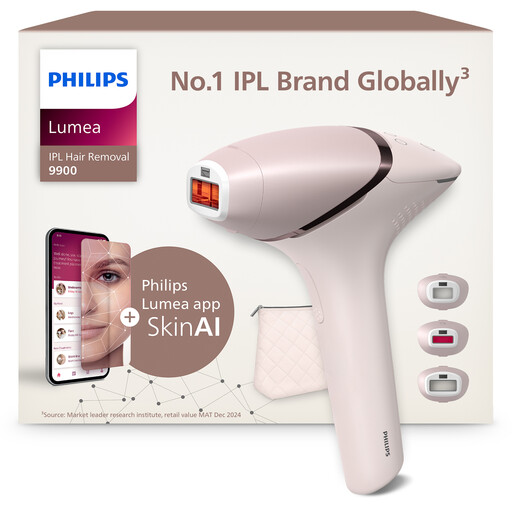
Why This Fits Their Persona: Suits users who value connected guidance, flexible positioning and a more structured full-body routine.
The product combines SmartSkin guidance, skin contact sensors and dedicated attachments rather than relying on flash-count marketing alone.
Corded and cordless use, three intelligent attachments and Lumea app features including treatment tracking.
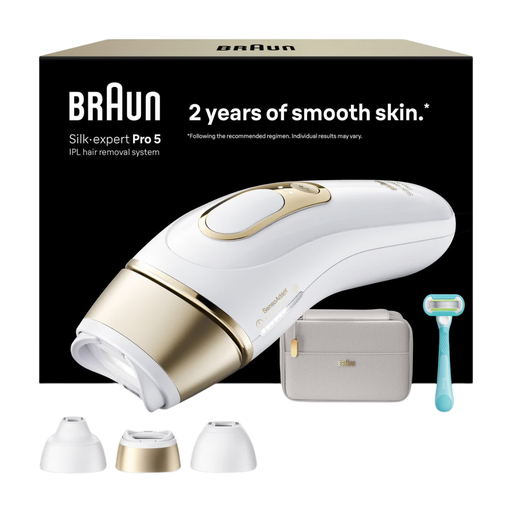
Why This Fits Their Persona: A corded option for regular full-body users who want fast sessions and several heads for different treatment zones.
SensoAdapt automatically adjusts flash intensity, while SmartFlex and precision heads support closer contact on curved areas.
Up to 125 flashes per minute, three treatment modes and approximately 10-minute full-body sessions according to the product information.
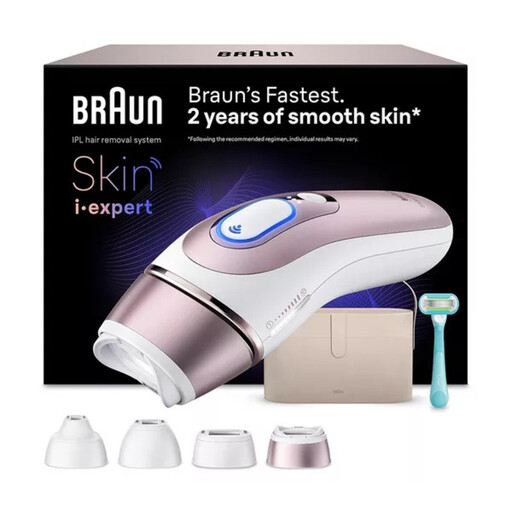
Why This Fits Their Persona: Designed for users who want app reminders, coverage tracking and step-by-step support for maintaining a consistent schedule.
Its companion app helps organise sessions and monitor coverage, reducing the risk of missed areas or an inconsistent routine.
Automatic skin tone detection, SmartFlex head, four heads and app-based treatment guidance.
We have compiled a complete, real-time list of products that fully satisfy these strict selection criteria and UK safety regulations.
Home IPL devices include features such as skin tone detection, UV filters and contact sensors, but safe use depends on following the specific manual. They are not suitable for every skin tone, hair colour or treatment area. Do not use over tattoos, irritated skin or recent sunburn, and seek medical advice if you have a photosensitivity condition or take light-sensitive medication.
Many models use a built-in lamp with a stated flash capacity or no replacement lamp requirement. Actual product life depends on treatment frequency, the areas covered and storage. Check the listed flash capacity, warranty and included accessories rather than comparing the number alone.
The initial purchase price is higher than buying razors, but an IPL device may reduce repeated spending on waxing or salon appointments if it suits your skin and hair profile. Running costs are usually limited to electricity, as many listed devices do not require replacement lamps. Treat the purchase as a longer-term grooming investment and choose a model you will use consistently.