Occasional pressers in small homes
You smooth a few removable cushion covers after washing and want to put the iron away rather than keep a permanent ironing area.


For a few removable cotton cushion covers and limited space, start with a conventional steam iron: it can be put away without a separate generator base. Consider a cordless iron if managing a cord is the main difficulty, or a compact steam generator if you press larger loads regularly and can store its base. Whichever format you choose, set the heat according to the cover’s care label, not its cotton content alone.
You smooth a few removable cushion covers after washing and want to put the iron away rather than keep a permanent ironing area.
Your covers develop pronounced creases, so steady steam and a soleplate that can reach around seams and corners matter to you.
You press covers alongside regular laundry and may accept a separate base if its tank capacity helps you work through larger loads with fewer refills.
Choose the format around how often you press and where both the appliance and your temporary pressing surface will go. Then compare the controls and features that matter for your covers.
Choose it when: You press a few covers at a time and want one appliance to put in a cupboard.
Bear in mind: Its onboard tank may mean refilling during a longer session.
Choose it when: A cord gets in your way on a compact pressing surface and sessions are short.
Bear in mind: You need to return the iron to its base to reheat it.
Choose it when: Covers are part of regular, larger ironing loads and you have room to store the base.
Bear in mind: Even a compact generator is a two-part appliance that needs setup and storage space.
| Concern | What to check | Who this matters to |
|---|---|---|
| Storage and setup | Check the stored dimensions and whether there is a separate base; consider where the cord will go. | If I press only a few covers, I need an iron I can put away after using a temporary surface. Around 50% of consumers put compact storage first. |
| Creases and fabric settings | Compare continuous steam and the soleplate tip, then check that the heat setting follows the cover’s care label. | When washed covers have deep folds or detailed edges, I care most about working across the panels and around seams. Crease removal comes first for around 30% of consumers. |
| Longer sessions | Compare tank capacity and continuous steam, as well as the space needed to store the appliance. | If covers are part of a larger laundry load, I want fewer interruptions to refill the tank. Around 20% of consumers prioritise batch-pressing capacity. |
A separate base changes where you can set up and store the appliance, even when the generator is described as compact.
Measure your available shelf or cupboard space before choosing one. A single steam iron is the simpler format to consider if you only press a few covers.
GINETEX says the care label, rather than fibre content alone, determines the maximum ironing temperature. Linings, prints, coatings and trims make that check particularly important.
Read the cover’s ironing symbol before selecting a heat setting; do not assume that a cotton blend has the same instructions as plain cotton.
A steam boost describes a short burst, not the steam available throughout a longer session. Tank size also affects how often you may need to stop and refill.
For larger loads, compare continuous-steam and tank specifications alongside the boost figure. For occasional covers, also consider the iron’s size and soleplate tip.
A product name in a search result does not establish whether the exact variant can currently be ordered; some Joybuy UK iron listings have been marked unavailable.
Check the model number, current product status and seller terms on the product-detail page before deciding.
Tefal UK shows standard steam irons, cordless Freemove models and steam generators, giving you formats to compare for short sessions and larger loads.
The Philips 3000 Series DST3041 is a conventional steam-iron example for shoppers comparing onboard tank capacity and access around cover details.
The Light & Easy 26470-56 is a conventional steam-iron example with an onboard tank and anti-calc feature.
These choices include single steam irons for putting away after occasional cover pressing and a steam generator to consider if covers are part of larger ironing loads. Check each model against your storage space and the cover’s care label.
 No image available
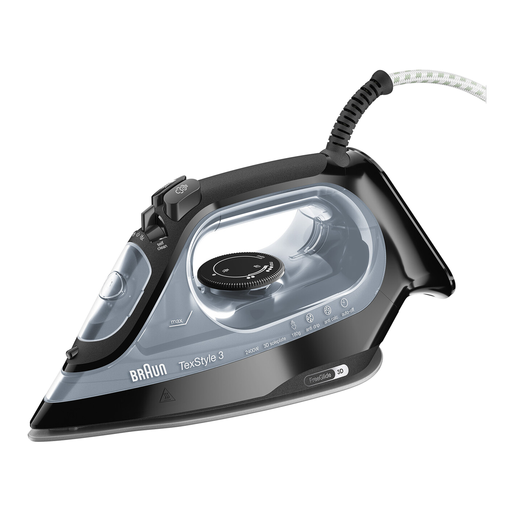
A single iron to consider for occasional cover pressing where there is no room to store a generator base.
The product name specifies 2600 W, a FreeGlide 3D EloxalPlus soleplate and a precision tip. Follow the cover’s care label when setting the heat.
 No image available
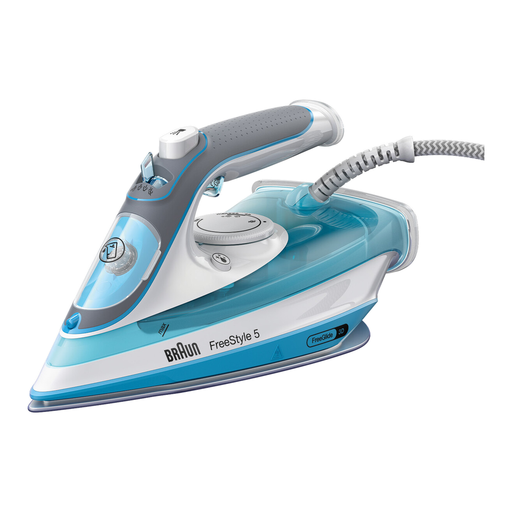
Its single-iron format suits a temporary pressing setup without a separate generator base.
The product name specifies 2600 W, a FreeGlide 3D SuperCeramic soleplate and anti-drip. Check the stored size and cord arrangement against your cupboard before buying.
 No image available
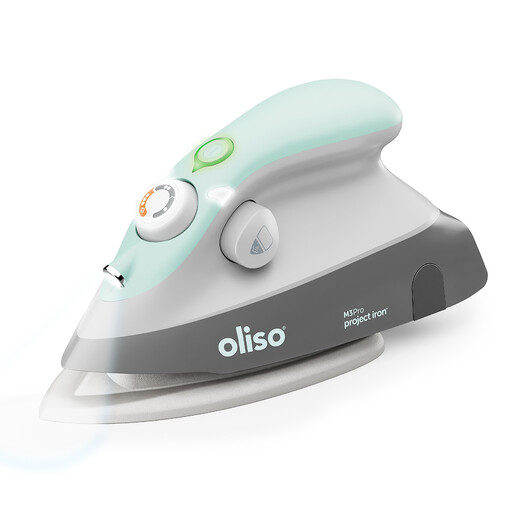
This mini iron is worth considering if compact storage and work around cover details matter most; its stated focus is sewing, quilting and craft projects rather than batches of covers.
Before choosing it for your covers, check its temperature controls, tank capacity and stored dimensions, and follow the fabric care label.
 No image available
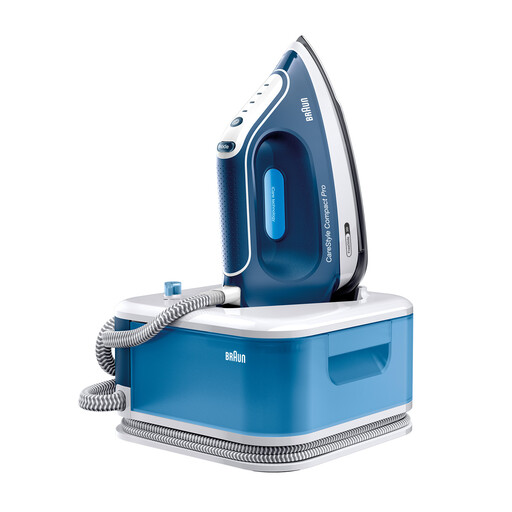
Consider this two-part format if you regularly press covers with other laundry and can make room for its base.
The product name specifies a 1.5 L tank and 7.5 bar pressure. Check the space needed to store both parts, and use the cover’s care label to guide the heat setting.
Usually not for just a few covers at a time: a conventional steam iron avoids storing a separate base. A compact generator becomes more relevant when covers are part of regular, larger ironing loads and you have room for both parts.
No. GINETEX says to choose the maximum ironing temperature from the care label, not fibre content alone. Check the label particularly carefully if the cover has a lining, print, coating, blend or trim.
Check the cover’s care label for its permitted heat setting before you press it. Pay attention to fastenings and any lining, print or trim rather than assuming the whole cover can be treated like plain cotton.
Follow the maintenance instructions for the exact model you buy. Philips and Russell Hobbs identify calc-clean or anti-calc features on particular irons, but those features do not establish one descaling method for every model.