Occasional home apron presser
If you press a small number of aprons before cooking, crafting or occasional work, controllable heat and straightforward storage may matter more than a large water tank.


For one or a few cotton aprons, a conventional steam iron offers direct heat and steam control without a separate base to store. If you regularly press batches of thick or heavily creased aprons, consider a steam generator with a larger tank, while allowing space and time for its setup. Whichever route you choose, check the apron’s care label and the exact iron’s cleaning and water instructions.
If you press a small number of aprons before cooking, crafting or occasional work, controllable heat and straightforward storage may matter more than a large water tank.
If you regularly press several aprons or work with thicker cotton and deep creases, tank capacity and sustained steam become more important to compare.
If you expect to use steam regularly, particularly with hard water, look for a cleaning method you can follow and check the model’s own water instructions.
Choose when: You press one or a few aprons and want direct temperature control without storing a separate base.
Trade-off: Its onboard tank may need more refills during a long batch; compare capacities on the models you are considering.
Choose when: Frequent batches, thick cotton or repeated refills make a larger reservoir useful. Philips also suggests considering this route for heavier cotton.
Trade-off: A separate base needs storage space and adds a setup step.
| Concern | Buying check | Who this matters to |
|---|---|---|
| Deep creases | Compare the exact model’s continuous steam in g/min, boost in g and soleplate tip for seams and pockets. | If dried-in folds around ties and hems take repeated passes, I want enough control to work on those small areas; roughly 27% of consumers put crease removal first. |
| Batch pressing | Check tank capacity and stated ready time alongside continuous steam. | When several aprons need pressing together, I want fewer interruptions to refill; around 37% of consumers make batch capacity their primary concern. |
| Occasional use | Check storage dimensions, handling weight and temperature control. | For an apron pressed only now and then, I would rather store and handle a manageable appliance than keep a separate base; about 18% of consumers prioritise compact, simple use. |
| Limescale upkeep | Check the model’s cleaning method and its instructions for water and descaling. | With regular steam use, I need a maintenance routine I can keep up with; roughly 18% of consumers put limescale upkeep first. |
A power rating does not tell you the model’s continuous steam, tank capacity or cleaning method, all of which matter when moving from one apron to a batch.
Compare those specifications on the exact models, and check whether the soleplate shape suits seams, ties and pockets.
A handheld steamer can refresh a hanging apron, but it does not provide the same board-supported pressing control for thick cotton and stubborn creases.
Choose an iron for a flat, pressed finish; consider a handheld steamer for touch-ups instead.
According to Tefal, limescale can reduce steam and mark fabric. Cleaning systems and permitted water types vary by model.
Choose a cleaning routine you will use, then follow the supplied manual rather than applying another iron’s water advice.
Electrical Safety First advises checking supply and plug suitability when ordering electrical goods online.
For use on the usual UK domestic supply, confirm 230 V, 50 Hz compatibility, a suitable fused UK plug, the model number and seller details. Do not rely on a travel adaptor to resolve an incompatible plug.
Its range includes conventional steam irons and steam generators; compare features by model rather than by brand alone.
Its conventional anti-scale irons and separate-base generators offer different approaches to maintenance and batch pressing.
Its conventional steam irons include onboard-tank models for buyers who do not want a separate generator base.
These conventional steam irons and steam generators offer different tank, handling and maintenance choices for pressing cotton aprons. Match the appliance to how many aprons you press, then check electrical suitability and the care label before use.
 No image available
Consider this separate-base generator if you regularly press several aprons and want a larger water tank.
The product name specifies 2800 W and a 1.8 L tank. Allow space for the base, and confirm supply and plug suitability before ordering.
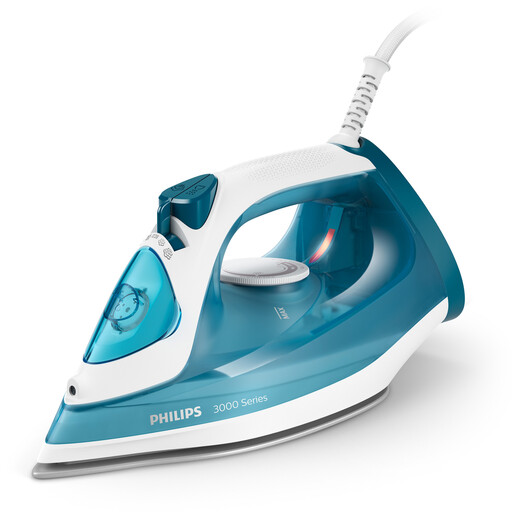 No image available
A conventional iron to consider when you press a small number of aprons and prefer an onboard tank to a separate generator base.
For repeated batches, compare its tank and steam specifications with a generator’s. Confirm that the supplied plug suits your socket.
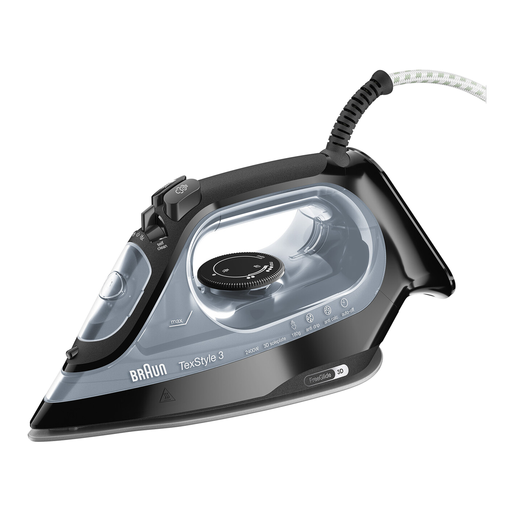 No image available
Consider this conventional iron if control around apron ties, seams and pockets is a priority.
Its product name specifies a precision tip, FreeGlide 3D EloxalPlus soleplate and 2600 W. Check the supplied plug and follow the model’s cleaning instructions.
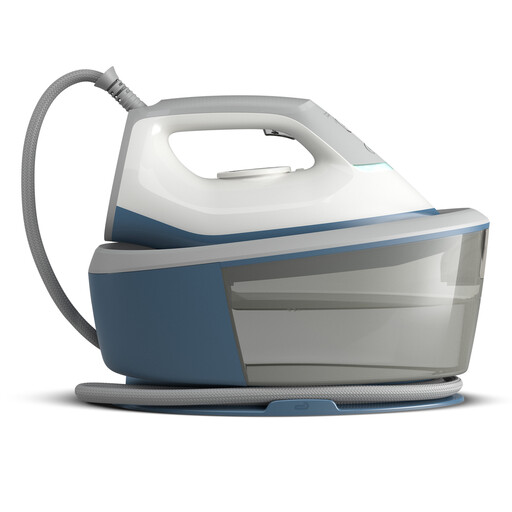 No image available
A separate-base option to consider if pressing batches makes a conventional iron’s onboard tank inconvenient.
The product name specifies 2400 W. Check its tank, setup space, electrical supply and plug against your requirements before ordering.
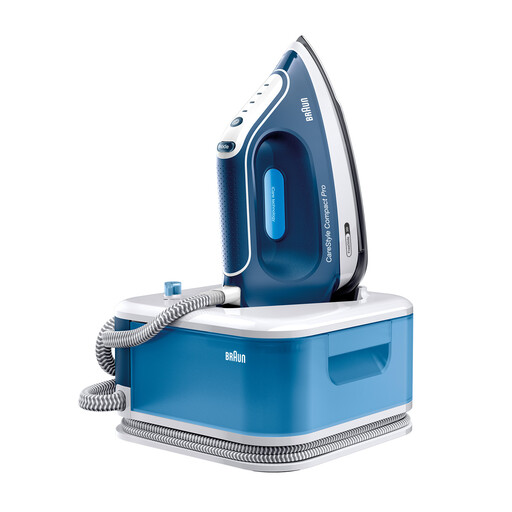 No image available
Consider this generator for longer apron-pressing sessions if you have room for a separate base.
The product name specifies a 1.5 L tank, 7.5 bar pressure and a FreeGlide 3D soleplate. Check its water instructions and electrical suitability before use.
Choose a conventional steam iron for a few aprons when storage space and direct control matter most; consider a steam generator for frequent batches or thicker, heavily creased cotton. Philips suggests considering a generator for heavier cotton, but compare each model’s tank, steam specifications and space requirements rather than assuming the category alone determines the result.
A handheld steamer is more suited to a quick hanging-apron refresh than a flat, crisply pressed finish. For stubborn creases in thick cotton, use a board-supported iron with settings appropriate to the apron’s care label.
Start with the apron’s care label and select a compatible heat and steam setting. As Philips advises, the garment label should guide the setting; cotton fabric alone does not account for any trims, coatings, prints or blended fibres.
Yes, particularly if you use steam regularly or have hard water, but choose a cleaning method you can maintain. Tefal notes that limescale can affect steam and mark garments; follow the exact model’s instructions for cleaning and permitted water.
Check the model’s electrical rating, plug, seller details and intended market. Electrical Safety First advises checking compatibility with the usual UK domestic supply of 230 V, 50 Hz and a suitable fused plug rather than relying on a travel adaptor; Great Britain-specific product rules should not be assumed to apply unchanged in Northern Ireland.