Occasional waistcoat pressers
If you press one or two cotton waistcoats for school, work or events, you may want an iron that is straightforward to store while still letting you work around seams, buttons and front panels.


For one or two cotton waistcoats at a time, a conventional steam iron is a proportionate choice: look for temperature control and a soleplate tip that helps you work around seams and buttons. Consider a steam-generator iron when waistcoats are part of regular, larger family loads and you have space for its separate base. Whichever type you choose, the garment care label governs the setting, particularly if the waistcoat has a lining, trim or blended-fibre panel.
If you press one or two cotton waistcoats for school, work or events, you may want an iron that is straightforward to store while still letting you work around seams, buttons and front panels.
If waistcoats are part of a larger household ironing basket, tank capacity and sustained steam matter more because refilling can interrupt a longer session. John Lewis & Partners advises choosing an iron with the amount of ironing you do in mind.
Where children or pets share the home, you may put safe cooling and storage alongside electrical-product checks. Electrical Safety First advises unplugging an iron when it is not in use.
Choose it when: Waistcoats are a small or moderate part of your ironing and you want contact pressing without storing a separate base.
Trade-off: Its smaller tank can mean more refills during lengthy family loads.
Consider it when: You regularly press a large family load and would make use of a larger water tank.
Trade-off: The separate base takes more storage space, which may be hard to justify for occasional waistcoat pressing.
| Concern | What to check | Who this matters to |
|---|---|---|
| Panels and details | Check temperature control against the care label and look at how the soleplate tip reaches seams, pockets and button areas. | I want flat front panels without struggling around buttons or pressing a lining at the wrong setting. Around 31% of consumers would put this controlled finish first. |
| Family-load pace | Compare tank capacity and continuous-steam figures for the exact models; a steam boost is a separate, on-demand setting. | When waistcoats join a full ironing basket, I would rather avoid frequent refills. Around 31% of consumers would prioritise keeping a longer session moving. |
| Household safety | Check for auto shut-off, a UK 3-pin plug and fuse, and clear manufacturer information. Auto shut-off does not replace unplugging the iron. | With children or pets nearby, I need to put the hot iron away safely and know the electrical product is suitable for use at home; roughly 23% of consumers would make this their primary concern. |
| Storage | Decide whether you have room for a generator base or would rather put away a conventional iron after use. | For occasional waistcoat touch-ups, I do not want a separate base occupying storage space. About 15% of consumers would put compact storage first. |
A light refresh and contact pressing are different tasks: flat waistcoat panels and defined seams call for controlled work with an iron and suitable board.
If a crisp finish is your aim, choose an iron for the main pressing job rather than treating vertical steam as a substitute.
A cotton outer fabric does not establish the heat limits of a lining, backing fabric or decorative trim.
Read the sewn-in care label and follow its instructions for the whole garment before setting the temperature or applying steam.
Electrical Safety First advises that irons used in the UK have a UK 3-pin plug and fuse. The Office for Product Safety and Standards also advises checking appropriate marking and the manufacturer’s name and address on consumer products.
Check those details, along with the instructions and warnings, before buying—particularly when the seller is unfamiliar.
Auto shut-off is a secondary safeguard, not permission to leave a hot iron unattended.
Electrical Safety First advises unplugging the iron when it is not in use. Let it cool in a safe place, and keep the iron and cable away from children and pets.
Tefal has conventional steam irons relevant to households considering a higher-output iron without a separate generator base.
Philips has both conventional Azur irons and PerfectCare compact steam-generator formats, allowing a choice between an iron-only appliance and one with a separate base.
Russell Hobbs has compact conventional steam-iron options relevant to everyday household ironing and storage.
These irons cover conventional options for waistcoat pressing, steam generators to consider for regular larger loads, and a mini project iron for smaller detail work. Compare each model with your ironing volume, storage space and the waistcoat’s care label.
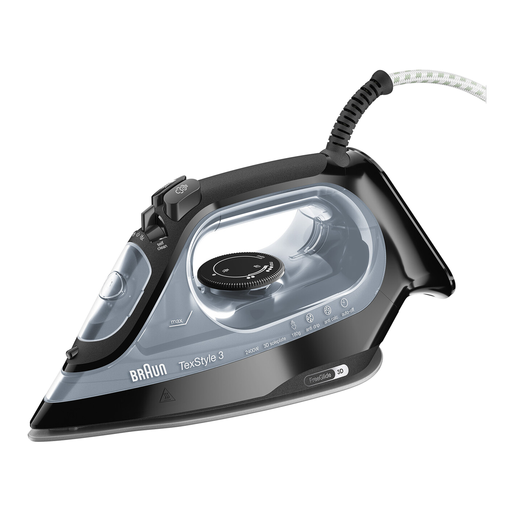 No image available
A conventional iron to consider when pressing waistcoat details as well as other household garments. The product name specifies 2600 W, a FreeGlide 3D EloxalPlus soleplate and a precision tip; follow the waistcoat care label when selecting a setting.
 No image available
Consider this generator if waistcoats are part of frequent, larger ironing loads and you can store its separate base. Its product name specifies 2800 W and a 1.8 L water tank. Check the garment label before use, including instructions for any lining or trim.
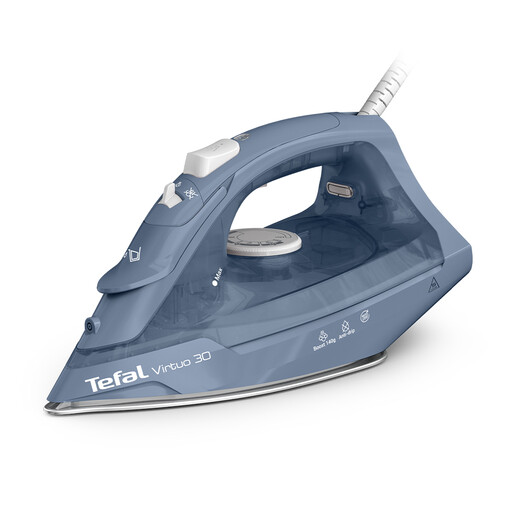 No image available
A conventional format to consider for occasional waistcoat pressing when a 240 ml tank meets your needs. The product name states 2200 W and 30 g/min continuous steam. Confirm the steam-boost figure and temperature controls for this exact model before relying on either for your garment.
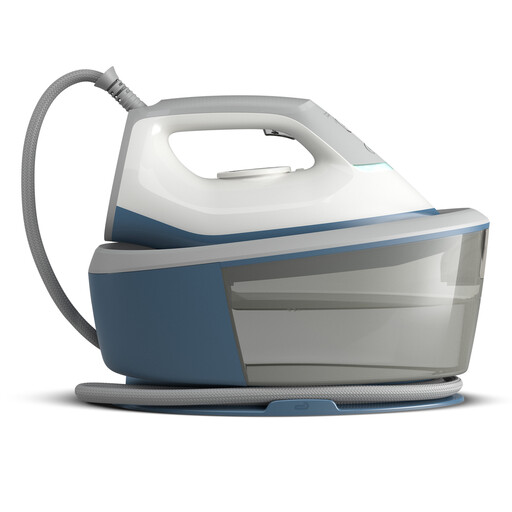 No image available
Consider this 2400 W steam generator if you regularly iron larger loads and have room for a separate base. Check the exact model’s tank capacity and auto shut-off features if they matter to your choice; follow each waistcoat’s care label when pressing.
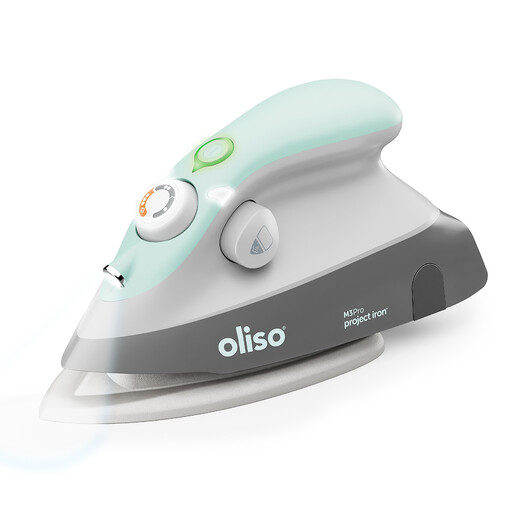 No image available
This mini project iron is an option to examine for small-area garment and sewing work rather than assuming it will suit a full family ironing basket. If you expect sustained steam use, check its tank capacity and steam output for the exact model.
Choose an iron and suitable board when you want flat front panels and defined seams. A handheld steamer can refresh a garment, but vertical steam does not give you the same controlled contact with panels, buttons and narrow sections.
Only if the garment care instructions allow it. Check the label before pressing: a cotton waistcoat may also have a lining, backing fabric or trim with different heat and steam limits.
Consider one when waistcoats are part of regular, larger family loads and a larger tank would make longer sessions more convenient. A conventional steam iron is more proportionate for occasional pressing if you would not use the generator’s capacity or have limited storage space.
Follow the water and cleaning instructions for the exact model. Anti-scale and calc-clean arrangements differ, so check its manual rather than applying one descaling or water-mixing rule to every iron.
Check the plug, fuse, product marking, manufacturer details and supplied instructions. Electrical Safety First advises a UK 3-pin plug and fuse for irons; the Office for Product Safety and Standards advises checking appropriate marking and the manufacturer’s name and address. After purchase, do not leave the iron unattended, and unplug it when it is not in use.