For occasional batches of linen napkins, start with a conventional steam iron that fits the shared storage space and offers fabric-appropriate settings. Consider a higher-output conventional iron if pressing is frequent, or a steam generator if housemates also tackle larger loads and have room for its separate base. Whichever type you choose, check the plug and safety features of the exact model and agree how it will be unplugged and left to cool.
Who is this for?
Occasional linen-napkin presser
You press a small batch before a meal and want a steam iron that can be put away without taking over a shared cupboard. Electrical Safety First identifies steam irons as suitable for heavier fabrics, including linen; Which? describes standard irons as more compact than steam generators.
Shared-house appliance coordinator
You need an iron housemates can use, unplug and leave to cool safely. Plug and cable condition, a suitable socket arrangement and a clear place for the hot iron matter alongside any automatic shut-off feature.
Frequent household ironer
You also press clothes or larger household items, so tank capacity, steam settings and the model’s cleaning routine may matter more than keeping the appliance as small as possible.
What matters when choosing?
Choose the iron type around your usual load: a conventional steam iron is easier to accommodate for occasional napkins, while a steam generator’s separate base needs a stable place to use and store it. Then compare the exact models against the concern that would decide your purchase.
| Concern |
What to check |
Who this matters to |
| Linen creases |
Check fabric-appropriate temperature and variable steam settings. Compare continuous steam in g/min separately from a short steam boost; manufacturer ratings do not establish how many passes your napkins will need. |
If dried napkins develop sharp folds, I want settings that let me press the linen without choosing by wattage alone. Around 33% of consumers put crease removal first. |
| Shared-use safety |
Confirm a UK three-pin plug and fuse, inspect the cable and check whether the exact model has automatic shut-off. Plan a stable cooling spot and avoid overloading extension leads. |
When several housemates use the iron, I need everyone to know where to leave it hot and when to unplug it. For around 27% of consumers, safer shared use is the primary concern. |
| Storage and handling |
Measure the cupboard and ironing-board rest; compare the model’s dimensions, weight and cord arrangement. Which? notes that a steam generator has a separate tank and takes more space than a standard iron. |
With no permanent ironing station, I need to carry the iron out and put it away after a small batch. Compact storage and handling come first for around 20% of consumers. |
| Refills and upkeep |
Check tank capacity and the exact manual’s water and cleaning instructions. Morphy Richards says descaling methods vary by model. |
If the iron also serves longer household sessions, I want refills and cleaning to fit a routine we can share. Around 20% of consumers chiefly prioritise capacity and upkeep. |
Buying pitfalls
-
Choosing by wattage alone
Wattage does not tell you the continuous steam rate or whether the settings suit the linen napkins you press.
Compare the exact model’s steam controls, continuous steam rating, tank and care instructions. Treat manufacturer figures as specifications rather than independent pressing results.
-
Treating automatic shut-off as the whole safety plan
A hot soleplate, damaged cable or overloaded extension remains a concern even on a model with automatic shut-off.
Check plugs and cables, avoid overloaded or daisy-chained extensions, and agree that housemates will unplug the iron and leave it somewhere suitable to cool. Electrical Safety First advises against overloading extension devices.
-
Overlooking a steam generator’s separate base
A generator can suit frequent larger loads, but its base needs space both during use and in storage.
Check the available work surface and cupboard before choosing one for a household that mainly presses small batches of napkins.
-
Assuming every anti-scale system works the same way
Cleaning methods and suitable-water instructions vary between models, according to Morphy Richards Support.
Read the manual for the exact iron and check whether its routine involves a collector, cartridge or self-cleaning step.
Relevant brands to consider
Tefal
Its conventional steam irons include models aimed at frequent pressing.
- Tefal lists up to 50 g/min continuous steam, a removable calc collector and automatic shut-off for the FV5874G0.
- Those features belong to the FV5874G0; check the specification of any other Tefal model separately.
Philips
Its range includes conventional irons for smaller setups and steam generators with separate bases for larger loads.
- Philips lists a 250 ml tank and up to 25 g/min continuous steam for the DST2020/80 conventional iron.
- Philips lists a 1.4 L tank for the PSG8300/80 generator, but its separate base needs more room; that specification does not describe other PSG models.
Morphy Richards
Its conventional irons include models with features relevant to a shared ironing setup.
- Morphy Richards lists automatic shut-off and a 2.5 m cord for its Steam Flow 2400W Turbo Steam Iron.
- Morphy Richards Support says water and descaling instructions differ by appliance, so use the manual for the model you choose.
Joybuy iron choices
These choices include conventional steam irons for pressing napkins and one steam generator to consider if the household also irons larger loads. Compare their exact settings and shared-use requirements before deciding which type fits your space.
 No image available
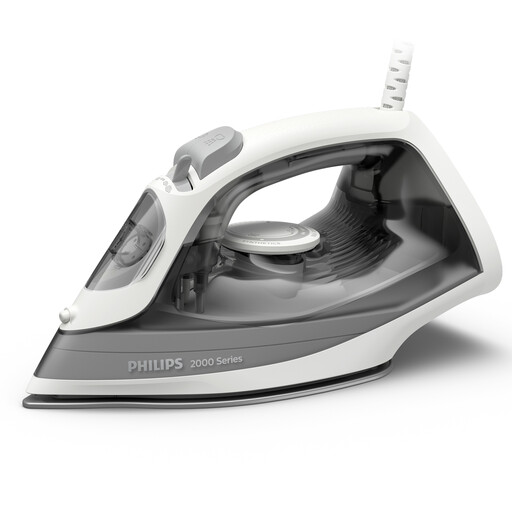
Philips 2000 Series DST2020/80 Steam Iron, 2000W, Grey
A conventional iron to consider for occasional linen-napkin pressing where cupboard space matters.
Philips specifies up to 25 g/min continuous steam and a 250 ml tank for the DST2020/80; the product title identifies this variant as 2000W.
Before shared use, confirm the plug, the model’s shut-off features and a suitable place to leave it while cooling.
Joybuy
 No image available
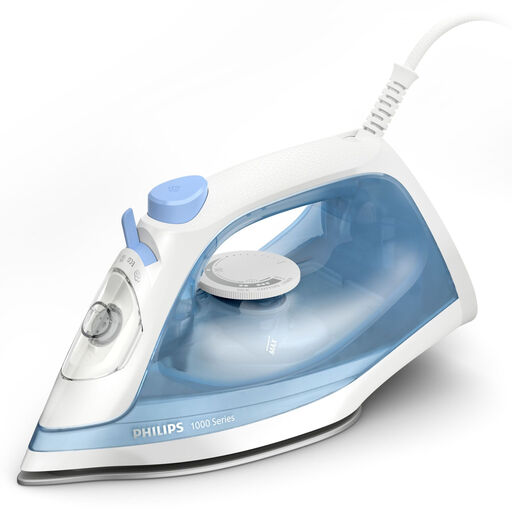
Philips 1000 Series DST1030/20 Steam Iron, Blue
A conventional steam-iron option for small batches of linen napkins.
Check the exact model’s steam and fabric settings, plug, resting position and shut-off features against your shared-house routine.
Joybuy
 No image available
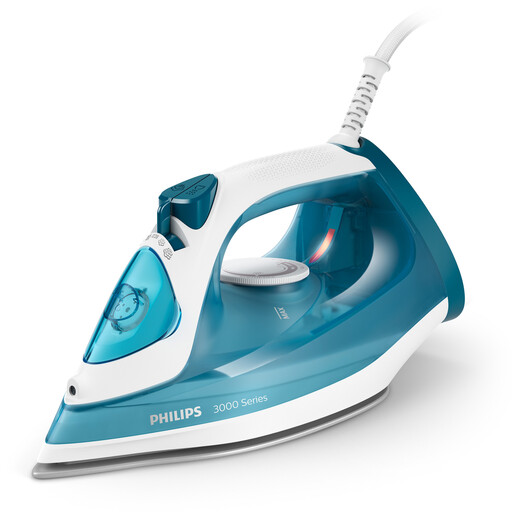
Philips 3000 Series DST3011/20 Steam Iron, Blue
Another conventional iron to compare if napkins are the household’s main pressing task.
Confirm fabric and steam controls for linen, then check the plug, a stable resting position and any automatic shut-off feature on this variant.
Joybuy
 No image available
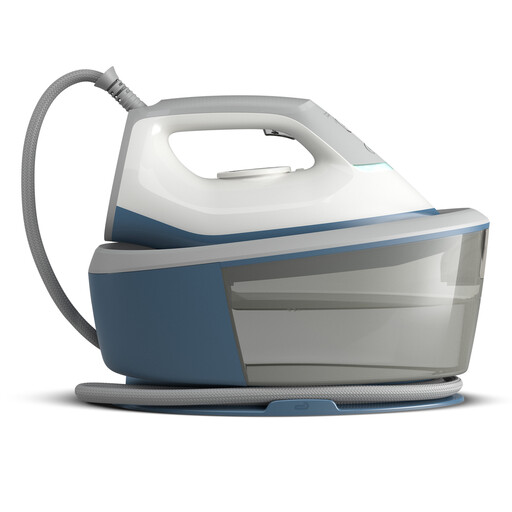
Philips 2000 Series PSG2000/20 Steam Generator, 2400W
Consider this steam-generator model if housemates routinely iron larger loads as well as napkins and have a stable place for its separate base.
The product title identifies this variant as 2400W. Check its exact tank capacity, fabric controls, plug and cleaning instructions before choosing it.
Joybuy
Questions about pressing linen napkins
Should I use a steam iron for linen napkins?
A steam iron is a suitable option for linen: Electrical Safety First identifies it as appropriate for heavier fabrics, including linen. Check the napkins’ care label and use fabric-appropriate settings on a stable ironing surface.
Can we plug the iron into an extension lead?
Only use an extension device if it is suitable for the connected appliances and its maximum current rating will not be exceeded. Electrical Safety First advises against overloaded or daisy-chained extensions; fully unwind a cable reel before use.
What should housemates do when they finish ironing?
Unplug the iron and leave it to cool in a stable place away from flammable materials. Do not leave it unattended while hot or wrap the cable around it as it cools.
What if a socket or fixed wiring in our rented home looks unsafe?
Stop using the affected socket and raise the problem with the landlord rather than attempting a wiring repair yourself. Electrical Safety First also advises tenants to keep electrical products they bring into the home well maintained; the applicable tenancy arrangements can differ across UK nations and housing types.
How often does an anti-scale iron need cleaning?
Follow the cleaning interval and method in the manual for your exact model. Morphy Richards Support says descaling procedures and suitable-water instructions vary between appliances, so another iron’s routine may not apply.


