What matters when choosing?
Start with the placemat’s care label, then decide whether your usual ironing load warrants a conventional iron or a steam generator. Treat steam output, storage and maintenance as separate checks rather than assuming one specification settles the choice.
Conventional steam iron
Choose it when: You press a few placemats at a time and want direct soleplate contact on a board.
Bear in mind: A larger ironing session may require you to refill its onboard tank.
Steam generator iron
Choose it when: Placemats are part of frequent, larger loads and you have room for a separate base.
Bear in mind: The extra equipment needs storage space that may not be worthwhile for an occasional set.
Handheld garment steamer
Choose it when: You only need light de-wrinkling and cannot set up a board.
Bear in mind: Philips says a garment steamer does not give the same result as an iron on linen, so it is not the primary choice for a crisp placemat.
| Concern |
What to check |
Who this matters to |
| A crisp finish |
Check for controllable heat and steam and a suitable soleplate; follow the placemat’s care label. ARKET advises ironing linen slightly damp at medium-to-hot heat where its care instructions permit. |
If I want flat placemats with defined edges, I need direct pressing rather than a quick steam refresh. Around 50% of consumers put that finish first. |
| Practical setup |
Check the appliance’s dimensions, weight and tank capacity against your storage space and usual batch size; leave room for a stable board. |
For a short session in a small utility room, I would rather store and set up one conventional iron than make room for a separate base. Around 30% of consumers chiefly prioritise a manageable setup. |
| Upkeep and power |
Look for documented anti-drip and cleaning features, and check that the ironing position has suitable socket access. Electrical Safety First advises against overloading or daisy-chaining extension leads. |
When I use steam often, water marks and cleaning matter, while the socket arrangement must also be safe. Around 20% of consumers place upkeep and safe power access first. |
Joybuy irons for linen placemats
For small placemat batches, consider the conventional Braun iron; the Philips steam generator is a conditional choice if placemats are part of larger, regular ironing loads. Check the space available for either appliance and follow each placemat’s care label.
 No image available
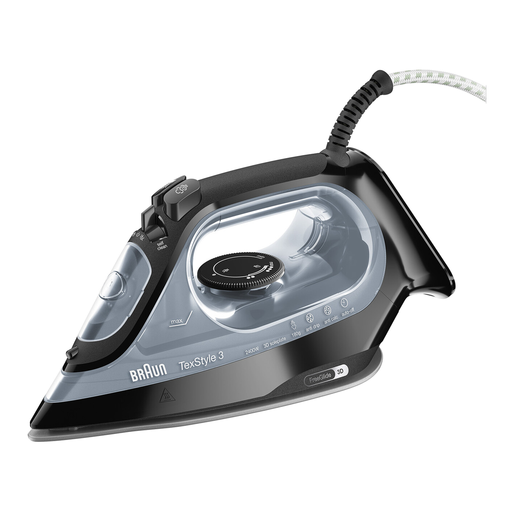
Braun TexStyle 3 SI3055BK steam iron, Black
A conventional iron to consider for small batches when you want to press placemats directly on a board.
The product title specifies 2400 W, FreeGlide 3D, a SuperCeramic soleplate and auto-off. Check its dimensions and plug details against your utility-room setup before buying.
View on Joybuy
 No image available
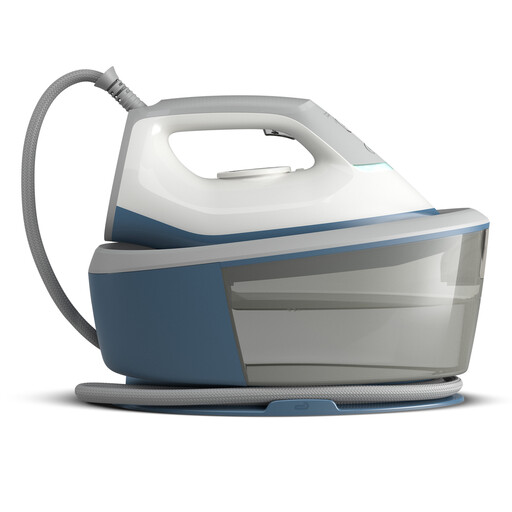
Philips 2000 Series PSG2000/20 steam generator
Consider this route if placemats are part of frequent, larger ironing sessions and you have room for a separate generator base.
The product title specifies 2400 W. Check the appliance’s dimensions, tank details and plug suitability before deciding whether it fits your utility room.
View on Joybuy
Questions about pressing linen placemats
How should I set the iron for linen placemats?
Follow the placemat’s own care label before choosing heat or steam. ARKET recommends ironing linen while slightly damp with medium-to-hot heat, but a particular placemat’s backing, coating or trim may call for different treatment.
Can a handheld steamer replace an iron for placemats?
Not if you want the flat, crisp finish of direct pressing. Philips says a garment steamer does not give the same results as an iron on linen; use one for light de-wrinkling when that finish is not essential.
Do I need a steam generator for a few placemats?
A conventional steam iron is generally the more proportionate choice for occasional sets. John Lewis & Partners points to steam generators for larger amounts of laundry, so consider one if your placemats are part of regular, bigger loads and you can store its base.
What maintenance should I plan for with a steam iron?
Follow the exact iron’s instructions for water, emptying, cooling and cleaning. If you expect frequent steam use, compare its documented anti-drip and scale-management features rather than assuming all models have the same routine.
Can I use an extension lead for ironing in a utility room?
Use a suitable wall socket where possible; if an extension device is necessary, use an undamaged one within its marked rating. Electrical Safety First advises against overloading or daisy-chaining extension leads and says cable reels should be fully unwound.


