What matters when choosing?
Decide how flat and defined the scarves need to look, then match the appliance’s capacity to the number you press per changeover. The scarf’s care label sets the limits for heat and steam whichever format you choose.
Corded steam iron
Choose when: You press modest batches and want a flat, controlled finish on folds and hems.
Allow for: A board and mains lead, with refills during longer sessions.
Steam generator iron
Choose when: Repeated, larger batches make a separate water tank useful.
Allow for: More storage space and set-up than an occasional scarf needs.
Cordless steam iron
Choose when: A lead gets in the way as you reposition narrow scarves.
Allow for: Returns to the charging base during pressing.
Handheld steamer
Choose when: You need a quick refresh of a hanging scarf, not a crisp edge.
Allow for: Less control over flat folds and hems than an iron and board provide.
| Concern |
What to check |
Who this matters to |
| A defined finish without fabric damage |
Check heat and steam controls against each scarf’s care label; consider a smooth soleplate for controlled pressing. |
If a scarf has a dark dye, embroidery or a delicate finish, I need to smooth it without marking the visible fabric. Around 36% of consumers put finish protection first. |
| Repeated turnover loads |
Compare tank capacity and stated continuous steam, then consider the space needed for the appliance. |
When several textiles need pressing between stays, I want fewer refill interruptions without taking on unnecessary bulk. Around 29% of consumers make repeated-load practicality their primary concern. |
| Maintenance and safe use |
Look at the cleaning instructions, scale-management features and auto-off behaviour; inspect the lead and plug before use. |
I need an appliance I can maintain and put away safely after a busy changeover. For around 21% of consumers, upkeep and safe operation take priority. |
| Compact touch-ups |
For cordless irons, check how charging fits the task; for handheld steamers, decide whether de-wrinkling is enough. |
With little storage and only occasional scarves to refresh, I can accept charging pauses or a softer finish. Around 14% of consumers put compact touch-ups first. |
Joybuy products for pressing linen scarves
These corded steam-iron and steam-generator options suit flat pressing; choose between them according to batch size, storage space and the settings allowed by each scarf’s care label.
 No image available
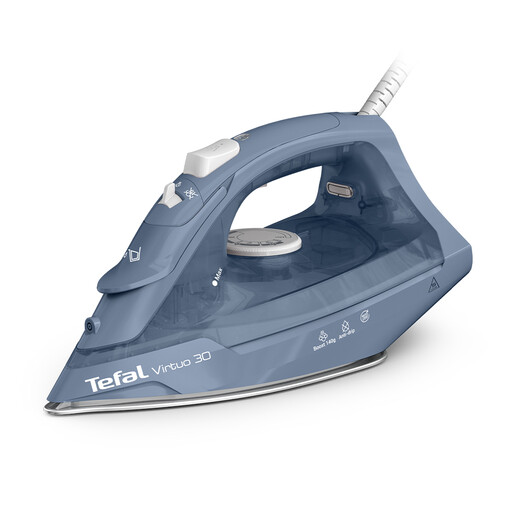
Tefal Virtuo 30 FV2C64G0 steam iron
Consider this conventional iron for modest batches that need flat pressing. The listed variant is 2200 W with a 240 ml tank, 30 g/min continuous steam and a 130 g/min steam boost.
Check its temperature settings against the care labels on the scarves you intend to press; a 240 ml tank may require refilling during larger batches.
View on Joybuy
 No image available
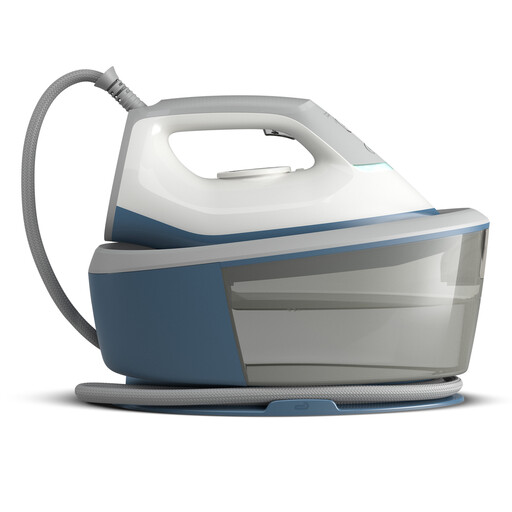
Philips 2000 Series PSG2000/20 steam generator
Consider a generator format when you regularly press scarves alongside other textiles. This PSG2000/20 variant is listed at 2400 W; allow room for its separate base.
Before choosing it for particular scarves, check the temperature instructions and whether its operating and maintenance features meet your needs.
View on Joybuy
 No image available
Tefal Express Vision SV8154G0 steam generator
Consider this generator for larger or repeated pressing sessions rather than occasional single-scarf touch-ups. The listed SV8154G0 variant is 2800 W with a 1.8 L water tank; its base needs storage space.
Check how its One Temp setting relates to each scarf’s care label before relying on it for fabrics with different pressing requirements.
View on Joybuy
Common questions
What type of iron makes sense for a few linen scarves?
A conventional corded steam iron is a proportionate choice for a small batch that needs crisp, flat pressing. Check that its heat and steam controls suit the scarves’ care labels; consider a generator when pressing becomes a frequent, larger-batch task.
Should I press linen scarves dry or damp?
LinenMe advises pressing linen slightly damp and using steam at a temperature permitted by the care label. Follow the individual scarf’s instructions first, particularly where dyes, blends or decoration affect its care.
Can a handheld steamer replace an iron for these scarves?
A handheld steamer can refresh a hanging scarf, but it is a less suitable choice when you need flat folds and defined hems. For that finish, use an iron on a stable board within the scarf’s care instructions.
Does a holiday-let iron need PAT testing every year?
Health and Safety Executive guidance does not set a universal annual PAT-testing requirement for portable appliances in low-risk workplaces; it says electrical equipment must be maintained to prevent danger. If the iron is used as work equipment, assess its actual use and arrange appropriate inspection and maintenance. Duties for a particular holiday let also depend on how and where the appliance is used.
Which maintenance features should I check?
Check the appliance’s scale-cleaning instructions and consider anti-scale, self-clean or anti-drip features where they fit your use. Those features do not replace routine care or switching off and unplugging the iron after pressing.


