For a few linen napkins at a time, a conventional steam iron is a sensible starting point: choose one with controls you can use confidently and a tank that suits your usual session. Consider a steam generator when napkins are part of a larger, frequent ironing workload and you can accommodate its separate tank. Whichever format you choose, follow each napkin’s care label and press linen slightly damp where the label permits.
Who is pressing the linen?
Occasional table-linen pressers
If you press a few napkins before a meal or event, a conventional iron’s compact format may matter more to you than capacity for a long session. Think about where you will store it and whether its tank is convenient to refill.
Frequent hosts with larger linen batches
If you regularly press napkins alongside tablecloths or other linen, compare tank arrangements and stated continuous-steam output as well as the space the appliance takes up. Cleaning the scale system will also be part of regular steam use.
Care-conscious owners of detailed linen
If your napkins have embroidery, trims or delicate finishes, start with their care labels. Heat control, a clean soleplate and a pressing approach suited to the detail are more useful considerations than steam output alone.
What matters when choosing an iron?
Start with the number of napkins you normally press, then weigh storage and upkeep against your need for steam. A separate-tank steam generator deserves consideration for a larger routine workload, not simply because linen creases.
| Concern |
What to check |
Who this matters to |
| Crease removal |
Compare stated continuous-steam output and boost on the exact models, then check that the tank suits your session. |
If I regularly press heavier linen or several napkins, I want enough steam assistance without repeatedly stopping. Around 33% of consumers put crease removal first. |
| Fabric care |
Check the napkin’s care label, the iron’s heat controls and the soleplate’s condition; consider how you will handle embroidery or trims. |
With coloured or detailed napkins, I would rather take care over the finish than rely on a high steam setting. Fabric protection is the main concern for around 25% of consumers. |
| Scale upkeep |
Check the exact model’s cleaning method and its instructions for water and descaling. |
If I steam-press linen often, I want a cleaning routine I will actually follow, because mineral deposits can leave brown spots. Around 25% of consumers primarily care about upkeep. |
| Storage and handling |
Compare the appliance’s size and tank arrangement with your available storage and usual pressing load. |
For just a few napkins, I would prefer an iron that is easy to put away rather than make room for a separate tank. Compactness is the leading need for around 17% of consumers. |
Mistakes to avoid
-
Choosing by wattage alone
Wattage does not tell you the iron’s stated steam output, tank capacity or cleaning arrangement. Those details affect how practical it is for your usual linen session.
Compare specifications for the exact models you are considering, including continuous steam, tank size and scale-cleaning instructions.
-
Pressing dry linen with a poorly maintained iron
ARKET advises ironing linen while it is slightly damp. Ulster Linen warns that mineral deposits in a steam iron can cause brown spotting.
Follow the napkin’s care label, keep the soleplate clean and use the iron’s prescribed descaling method.
-
Assuming a steam generator is necessary
Which? describes conventional steam irons as compact and easy to store, while steam generators have separate tanks and produce more steam. The larger format may be unnecessary for occasional napkin pressing.
Consider a generator if napkins form part of a frequent, larger ironing workload and you have space for it.
-
Using an unsuitable or damaged iron
An iron needs to be suitable for the electrical supply where it will be used. A damaged plug, cable or casing is a reason to stop using it.
Check the appliance information and its physical condition before use, and follow its instructions.
Brands to consider for steam irons
Philips
Philips offers conventional steam irons with model-specific options for soleplates, steam and scale cleaning.
- The Philips 3000 Series DST3041/89R1 is listed by Philips with a 300 ml tank and up to 40 g/min continuous steam; Philips presents that tank as suitable for smaller loads.
- Those figures belong to the DST3041/89R1. Check the specifications of any other Philips model rather than assuming they are shared across the series.
Tefal
Tefal’s Ultimate Pure line is relevant if you are comparing steam output and a dedicated scale-management arrangement.
- Tefal lists a 350 ml tank, 60 g/min continuous steam and a MicroScale filter for its Ultimate Pure FV9845.
- The filter still needs care according to the instructions. Check the exact model’s features rather than applying FV9845 specifications to the whole range.
Braun
Braun’s TexStyle range is worth examining if simplified temperature selection is important for a mixed collection of ironable textiles.
- Braun describes an iCare temperature mode on the TexStyle 9 SI9682DB.
- A temperature mode does not replace the napkin’s care label, particularly when the linen has embroidery, coatings or trims.
Joybuy irons for linen napkins
These choices cover conventional irons for smaller pressing tasks and steam generators to consider when napkins are part of a larger routine linen load. Choose by your usual workload and the space available, rather than treating a larger format as necessary for every napkin.
 No image available
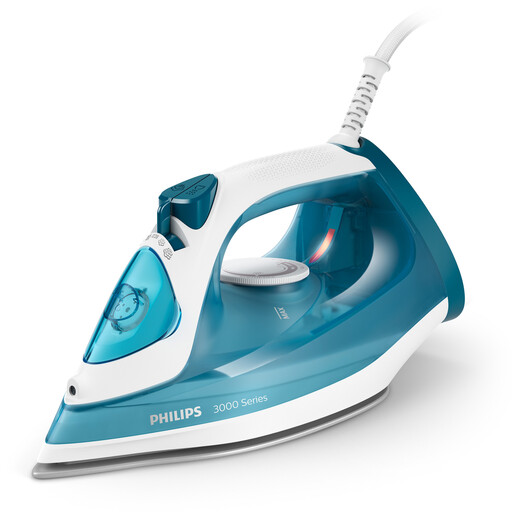
Philips 3000 Series DST3011/20 Steam Iron, Blue
A conventional steam iron to consider if you usually press a small set of napkins. Check this DST3011/20 model’s steam, tank and cleaning instructions against the length of your usual session; specifications for other 3000 Series models do not establish this variant’s figures.
View on Joybuy
 No image available
Tefal Express Vision SV8154G0 Steam Generator Iron, Black and Purple
Consider this separate-tank format if pressing napkins is part of a larger, frequent linen workload; allow space to store the appliance. The product title states a 1.8 L water tank and 2800 W rating. Check the napkins’ care labels and the model’s operating instructions before use.
View on Joybuy
 No image available
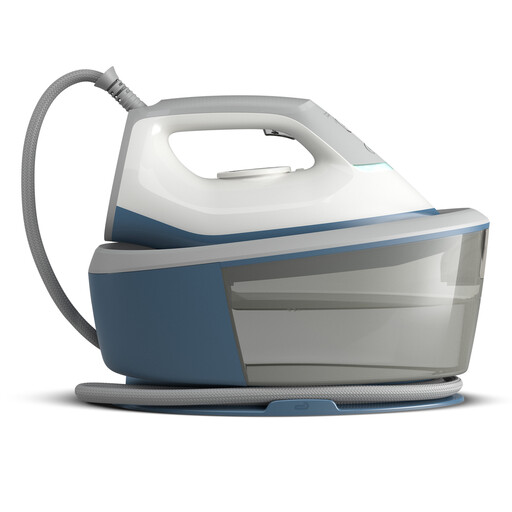
Philips 2000 Series PSG2000/20 Steam Generator
Another separate-tank format to consider for longer, repeated linen-pressing sessions, provided its storage footprint works for you. The product title states a 2400 W rating; compare the exact model’s tank, steam and cleaning instructions when deciding whether it suits your workload.
View on Joybuy
 No image available
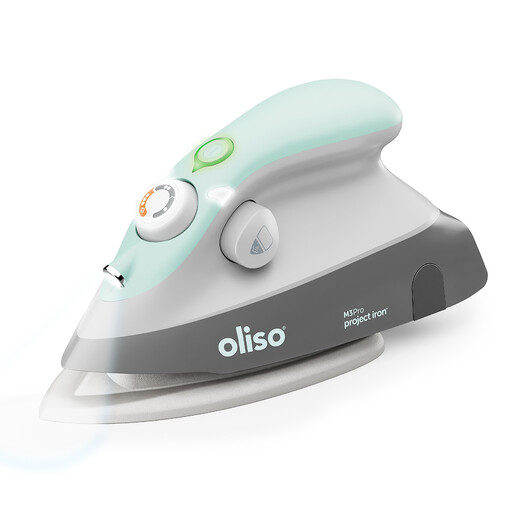
Oliso M3Pro Mini Project Steam Iron, Aqua (Mint Green)
This mini project iron is an option to examine for small, detail-focused pressing tasks rather than a large batch of napkins. Check whether its plate size, handling, tank and steam arrangements suit the linen you normally press.
View on Joybuy
Common questions
Should linen napkins be completely dry before ironing?
No: ARKET advises ironing linen while it is still slightly damp. If a napkin has dried, lightly dampen it only where its care label permits, and use the heat setting appropriate to that napkin.
Do I need a steam generator just for linen napkins?
Usually not for a few occasional napkins. Which? describes standard steam irons as compact and easy to store; consider a generator’s separate tank when you also have a frequent, larger ironing load and room for the appliance.
How can I avoid brown spots when pressing linen?
Keep the soleplate clean and follow the iron’s scale-cleaning instructions. Ulster Linen notes that mineral deposits in a steam iron can cause brown spotting; also follow the napkin’s care label when choosing heat and steam.
What should I check before using a newly bought iron?
Check that the appliance is intended for the electrical supply where you will use it, and inspect its plug, cable and casing before switching it on. Follow the manufacturer’s instructions and do not use an iron with damaged electrical parts.


