Collar-detail pressers
If collar points, bands and seams are your main concern, look closely at the shape of the soleplate tip. Tefal and Braun describe precision tips on specific models as a way to reach these narrow areas.


For neatly pressed shirt collars, start with a conventional steam iron whose exact model has a pointed precision tip for reaching collar points and seams. Consider a compact steam generator if collars are part of larger, frequent ironing loads, but allow space for its separate base. A handheld steamer is more suited to quick refreshes than to producing a sharply pressed collar on thick cotton or linen.
If collar points, bands and seams are your main concern, look closely at the shape of the soleplate tip. Tefal and Braun describe precision tips on specific models as a way to reach these narrow areas.
If you bring out an iron for one or two shirts at a time, consider the space it takes up both in use and after cooling. Which? describes conventional steam irons as compact and easy to store.
If collars are only one part of a regular pile of shirts or other laundry, a steam generator may be worth considering. Which? notes that its separate tank produces more steam, while the larger setup needs more space.
Choose when: Pressing collar points and seams is the main job, particularly in shorter sessions.
Trade-off: Its integrated tank keeps storage simpler, but a long ironing session may mean more refilling than with a generator.
Choose when: Collars are part of larger, frequent ironing loads and you have room for a separate base.
Trade-off: Even a compact generator is a larger setup to use and store than an all-in-one iron.
Choose when: You mainly want a quick garment refresh rather than a firmly pressed collar.
Trade-off: Philips says a steamer does not give the same result as an iron on thick cotton or linen shirts.
| Concern | What to check | Who this matters to |
|---|---|---|
| Access to collar points | Check whether the exact model has a pointed or triangular precision tip intended for collars and seams; compare steam controls separately. | I want to press close to a collar point without the soleplate nose getting in the way. Around 50% of consumers put precise collar access first. |
| Short sessions and storage | Compare the space needed to use and safely store the iron, including any separate generator base. | If I iron just a few shirts, I want a setup I can put away easily after it cools. Compact, convenient use comes first for around 30% of consumers. |
| Upkeep and safe use | Check the model's scale-care instructions, auto-off and anti-drip features, and whether it is supplied with a UK 3-pin plug and fuse. | I use steam regularly and want to keep the iron working properly while taking sensible precautions around a hot appliance. For around 20% of consumers, upkeep and safeguards are the primary concern. |
A steamer can refresh a shirt, but Philips says it does not achieve the same result as an iron on thick cotton or linen.
If a firm collar finish is the aim, choose an iron for that job and treat a handheld steamer as a refresh option.
Steam output does not tell you whether the soleplate tip can reach a narrow collar point or seam.
Check the exact model's tip design first, then compare its steam controls and other features.
Limescale can affect steam performance over time. An anti-calc or self-clean feature does not remove the need to follow the model's maintenance instructions.
Read the manual's water and cleaning guidance before choosing a model you expect to use regularly.
Auto-off is a safeguard, not a substitute for careful handling of a hot appliance.
Unplug the iron after use, leave it somewhere safe to cool and stop using it if the plug or cable is visibly damaged.
A reference point for conventional steam irons intended for household sessions.
Offers conventional steam irons and separate-base steam generators for different load sizes and storage needs.
Relevant when a collar-oriented precision tip is a priority.
A reference for conventional irons with tank and scale-care features aimed at larger ironing loads.
These conventional steam irons suit the collar-focused route if you prefer an all-in-one appliance rather than a generator with a separate base. Compare the exact model's tip and upkeep instructions before deciding.
 No image available
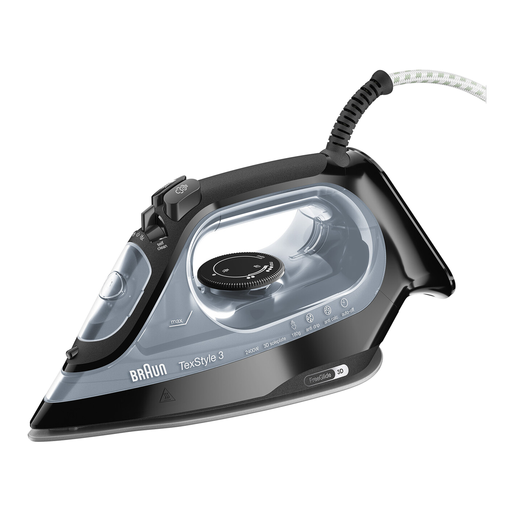
Consider this conventional iron if reaching collar points and seams is your main need; Braun describes the TexStyle 7 Pro precision tip for those areas.
The product title specifies 2600W, a FreeGlide 3D EloxalPlus soleplate and a precision tip. Check the supplied plug and fuse, and follow the model's water and cleaning instructions.
 No image available
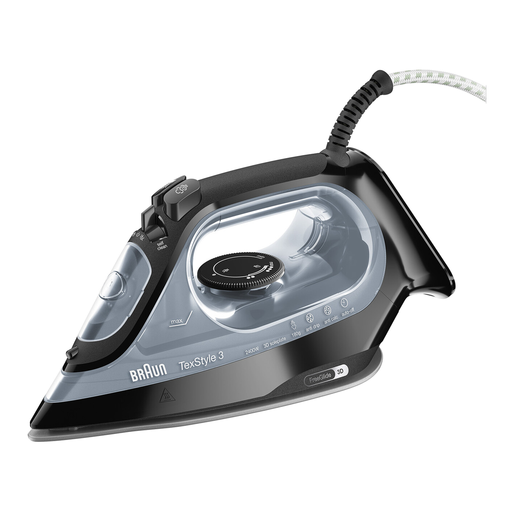
For short shirt-focused sessions, assess how this model's tip reaches your collar points and seams.
The product title specifies 2400W, a FreeGlide 3D SuperCeramic soleplate and auto-off. Check its tank and scale-care instructions, as well as the supplied plug and fuse.
 No image available
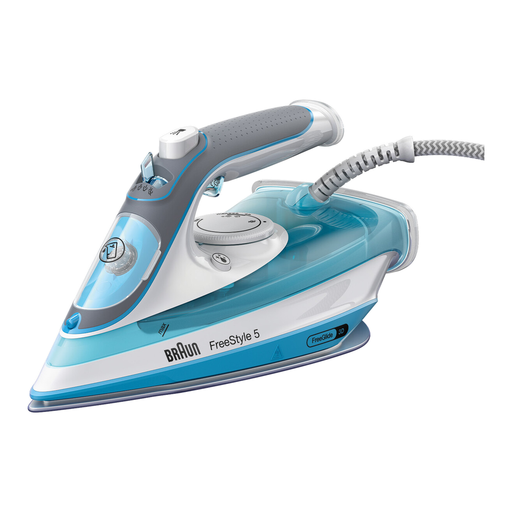
For collar pressing with a conventional iron, compare this model's tip shape with the narrow areas you need to reach.
The product title specifies 2600W, a FreeGlide 3D SuperCeramic soleplate and anti-drip. Check the exact model's scale-care instructions and supplied plug and fuse.
Not if your aim is a sharply pressed collar on thick cotton or linen. Philips says steamers do not give the same result as an iron on those shirt fabrics; use one for a refresh rather than as a direct replacement for pressing.
Look for a precision tip intended to reach collar points and seams. Tefal and Braun describe that use for specific models, so confirm the feature on the exact iron you are considering rather than relying on its wattage.
Follow its manual for water and cleaning, even if the iron has an anti-calc or self-clean function. Which? considers limescale resistance in its durability assessment, while Russell Hobbs describes those functions on the Powersteam Ultra Pro 28630 as measures to manage build-up.
Confirm that the iron is supplied with a UK 3-pin plug and fuse, as Electrical Safety First advises. Inspect the plug and cable before use, never leave a hot iron unattended and unplug it when you have finished.