What matters when choosing?
Decide whether you mainly need a defined crease, controlled work around the hem or capacity for longer sessions. Then compare features on the exact model and check them against the trousers’ care label.
Standard steam iron
Choose it when: You press hems and creases occasionally or need a hand iron for other garments too.
Trade-off: Its integrated tank may mean more refills during a large ironing session.
Steam generator iron
Choose it when: Trouser pressing is part of frequent, larger loads and fewer refill interruptions matter.
Trade-off: The separate base needs storage space that may not be worthwhile for occasional touch-ups.
Dedicated trouser press
Choose it when: You repeatedly press full-length trousers and have space for a specialist appliance.
Trade-off: Its fixed format is less flexible for precise hems, seams and other clothing.
| Concern |
What to check |
Who this matters to |
| A defined hem or crease |
Look for a steam boost and controllable heat and steam; follow the garment’s care label rather than judging by steam output alone. |
I want a clear crease without applying more heat than my trousers allow. Around 50% of consumers put a crisp finish first. |
| Control near seams |
Check the tip shape, soleplate and any anti-drip feature on the exact model. |
When I work beside a hem seam or pocket, I need to position the iron carefully and avoid unwanted drips. Detail and fabric control are the main concern for around 30% of consumers. |
| Capacity for repeated loads |
For a generator, compare tank capacity and storage space; for a trouser press, check its dimensions and cycle options. |
If I press several garments at a time, interruptions and appliance space matter more than they do for one pair of trousers. Around 20% of consumers chiefly prioritise larger or repeated loads. |
Joybuy products for these routes
These choices include hand irons for trouser-detail work and a steam generator to consider when pressing trousers alongside larger loads. Compare the exact model’s controls and maintenance instructions before deciding.
 No image available
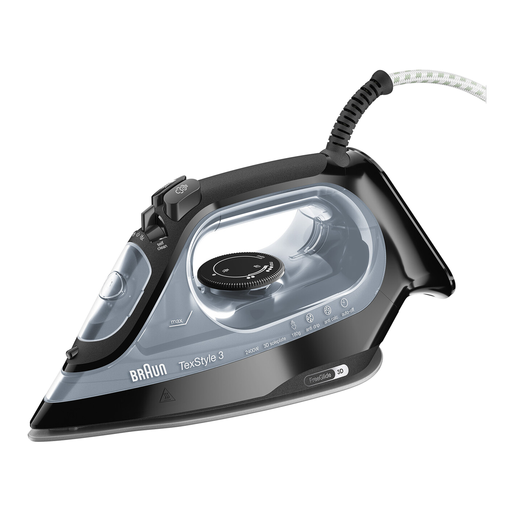
Braun TexStyle 7 Pro SI7160BL steam iron, blue
Consider this hand iron if you want a precision tip for work beside trouser hems and seams. Its name specifies a 2600 W rating, FreeGlide 3D design and EloxalPlus soleplate; use heat and steam settings that suit the garment’s care label.
View on Joybuy
 No image available
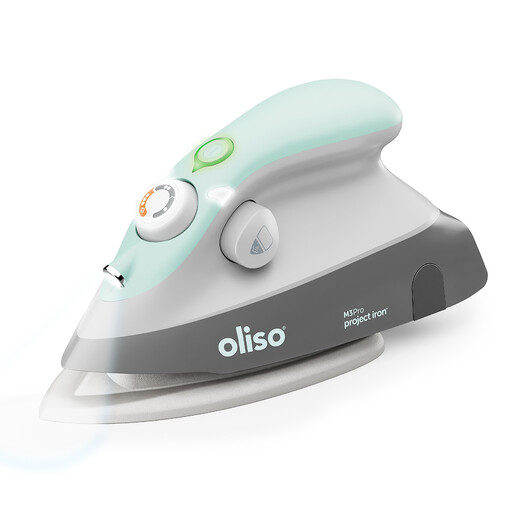
Oliso M3Pro Mini Project steam iron, Aqua, Mint Green
Consider this mini steam iron for occasional, close-up pressing, particularly if a smaller pressing surface suits the details you work on. Its stated focus is sewing, quilting and crafting, so check its size, temperature controls and steam options against your usual trouser work.
View on Joybuy
 No image available
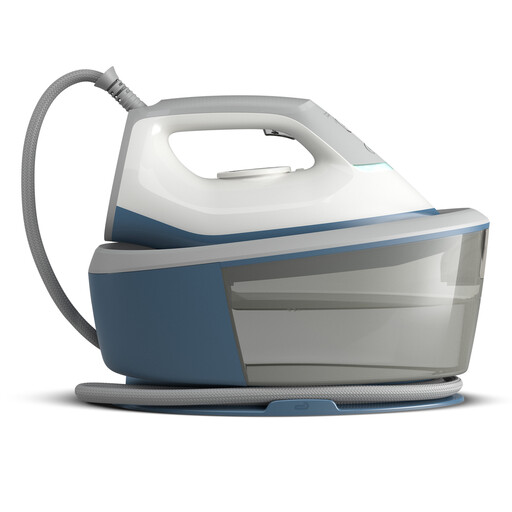
Philips 2000 Series PSG2000/20 steam generator, 2400 W
Consider a steam generator when trouser pressing is part of larger, repeated ironing sessions rather than an occasional touch-up. This model has a separate generator base, so allow for its storage footprint and check its voltage rating and controls for your intended use.
View on Joybuy
Common questions
Will a handheld steamer make a sharp trouser crease?
Choose an iron when a sharply pressed crease is the goal: its soleplate applies pressure, and John Lewis & Partners identifies burst steam as useful for trouser creases. A handheld steamer may help de-crease a hanging garment, but do not assume it will give the same defined finish.
When is a steam generator worth considering?
Consider a steam generator if you regularly press larger loads and value the capacity of a separate water tank. For the odd pair of trousers, John Lewis & Partners suggests a standard steam iron; also account for the generator base’s storage space.
Can I put distilled or scented water in a steam iron?
Use the water specified in your particular iron’s instructions. Before adding distilled, scented or softened water, check whether that model permits it and follow its cleaning guidance.
What should I check before using an extension lead?
Check that the extension lead’s rating can accommodate the iron and do not overload the socket. Electrical Safety First warns that overloaded sockets create a fire risk; follow the appliance’s electrical instructions as well.
How much space does a dedicated trouser press need?
Measure the intended location against the exact model before choosing a dedicated press. Corby of Windsor specifies its 7700 at 1095 mm high and 10 kg, making its placement a more substantial decision than storing a hand iron.


