Occasional pressers with limited space
Students pressing one or two cotton waistcoats before a class, event or shift who need somewhere suitable to let an iron cool and store it afterwards.


For one or two cotton waistcoats at a time, start by considering a conventional steam iron that you can store safely and whose temperature and steam controls suit the garment’s care label. If stubborn creases are a frequent problem, compare steam features; if space or cable management matters more, consider storage features or a cordless design. Check your own accommodation rules before buying: some student residences prohibit irons in bedrooms.
Students pressing one or two cotton waistcoats before a class, event or shift who need somewhere suitable to let an iron cool and store it afterwards.
Consumers concerned about marking a waistcoat’s outer fabric, lining or trim who want to check the garment instructions before choosing heat and steam settings.
Residents who need to establish where an iron may be used and whether their accommodation sets appliance requirements. The University of St Andrews and Exeter College, University of Oxford, both give examples of bedroom restrictions.
Check where you may use an iron before comparing controls for the waistcoat and the space needed to use and store the appliance.
| Concern | What to check | Who this matters to |
|---|---|---|
| Permission and storage | Read your accommodation rules; check where the iron can be used, cooled and stored, and whether appliance testing applies. | If my accommodation restricts ironing or cupboard space is tight, I need a permitted place to use and put away the appliance. Around 42% of consumers put permission and safe storage first. |
| Fabric control | Check the full waistcoat care label and whether the iron offers suitable temperature and steam controls. | A cotton outer fabric may sit alongside lining or trim that needs different care, so I want control rather than assuming the highest cotton setting is safe. For around 33% of consumers, fabric care is the primary concern. |
| Stubborn creases | Compare continuous steam, steam boost and access around seams and buttons, provided the garment permits steam. | When a folded waistcoat is heavily creased, I want to work on its panels and details without repeatedly pressing the same spot. Crease removal comes first for around 25% of consumers. |
Rules vary by accommodation. The University of St Andrews prohibits irons in study bedrooms, while Exeter College, University of Oxford, lists irons and pressers among electrical items not allowed in bedrooms.
Read your own residence or tenancy rules before buying, including any instructions about where to iron or appliance testing.
A cotton waistcoat may have lining, trim or a finish that calls for gentler care. Heat and steam settings need to follow the complete garment label.
Tefal identifies its three-dot setting with cotton and linen, but use that setting only if your waistcoat’s instructions permit it. Check an inconspicuous area where appropriate.
A generator has a separate base to use and store. For context, the Tower generator listed by Joybuy has a stated 1.5 L tank and 4.5 kg weight; those figures describe that model, not every generator.
If you normally press one or two waistcoats, compare conventional irons first. Consider a generator if you also iron larger loads regularly and have room for its base.
Auto-off is an additional feature, not a reason to leave a hot iron unattended. The soleplate and steam can still cause burns.
After use, switch off and unplug the iron, then let it cool in a suitable place before storing it according to its instructions.
Philips offers conventional steam irons relevant to occasional garment pressing. The Joybuy-listed 1000 Series DST1030/20 has a stated 250 ml tank and 1.6 m cord.
The Easy Store Pro Wrap & Clip 26730 is a conventional iron with a cord-wrapping feature for storage.
The Smart Protect Plus FV6872 is a conventional steam iron with Tefal’s Smart Temp system and an auto-off feature.
Its EasyCharge cordless range is relevant when moving an iron without a trailing cable matters.
These choices include conventional irons for occasional waistcoat pressing, a steam generator to consider if you also handle larger loads, and a handheld option for portable touch-ups. Confirm that each iron’s controls suit the complete garment care label and your accommodation rules.
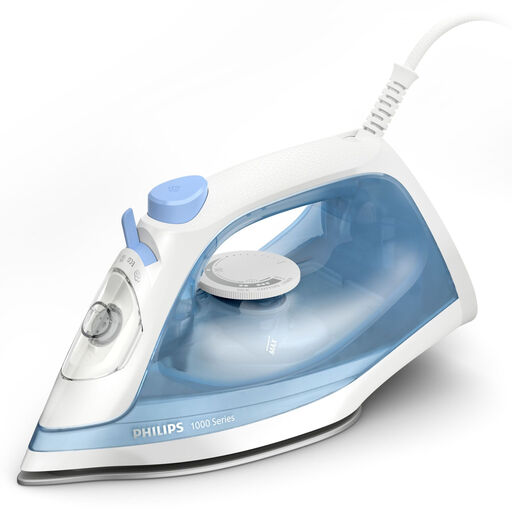 No image available
A conventional option to consider for occasional cotton-waistcoat pressing, provided its controls suit the garment label.
The Joybuy listing specifies 2000W power, a 250 ml tank, variable steam, up to 20 g/min continuous steam and up to 90 g steam boost.
Check the available temperature settings before relying on it for your waistcoat; if auto-off matters to you, confirm that feature in the product instructions.
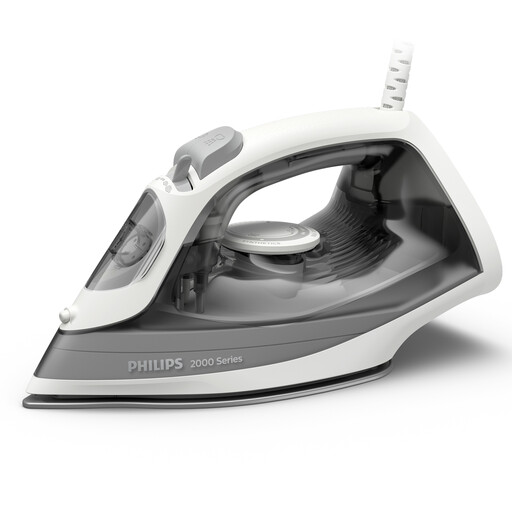 No image available
Consider this conventional iron when pressing a few garments at a time and comparing steam-control options for an ironable waistcoat.
The product name specifies 2000W power. Check its temperature controls against the waistcoat label and confirm auto-off in the instructions if you need it.
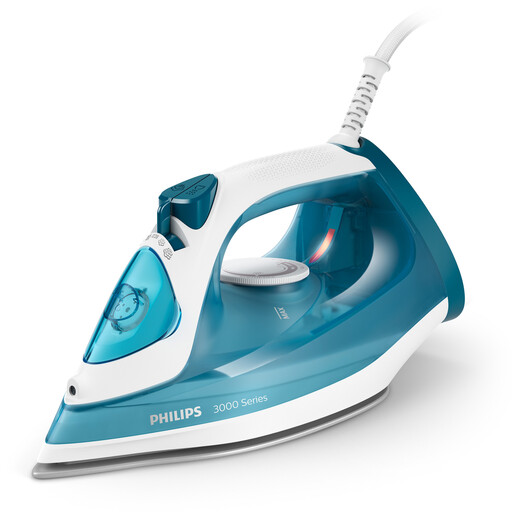 No image available
This conventional iron is worth considering if working around waistcoat seams and buttons is a priority.
Confirm that its temperature controls suit the complete care label. If an automatic shut-off feature matters in your shared house, check the product instructions before choosing it.
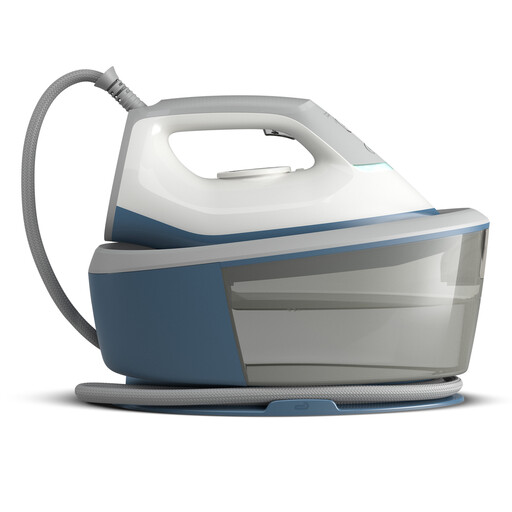 No image available
Consider a steam-generator format if waistcoat pressing is part of a larger, regular ironing load and you have room for its separate station.
The product name specifies 2400W power. Check the complete appliance dimensions, your storage space and the garment care label before choosing this format.
 No image available
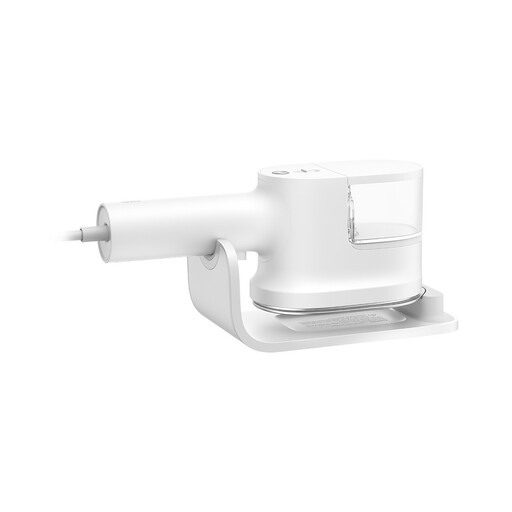
This portable, vertical-use option is more relevant to occasional garment touch-ups than to choosing a conventional setup for flat waistcoat pressing.
Before relying on it for cotton panels, check its temperature range, contact surface and water-tank capacity against the task and the garment care label.
Check your own accommodation rules before using one there. The University of St Andrews prohibits irons in study bedrooms, and Exeter College, University of Oxford, lists irons and pressers among electrical items not allowed in bedrooms; a private rented house may have different arrangements.
Follow the complete waistcoat care label, including instructions for any lining, trim or finish. Tefal identifies its three-dot iron setting with cotton and linen, but use it only when the garment permits that heat.
A conventional iron is the more straightforward starting point when storage is limited and you only press a couple of waistcoats. A generator is more relevant if you also iron larger loads regularly and can accommodate its separate base; check the dimensions of the particular model.
The NHS advises cooling a burn or scald under cool running water for 20 minutes as soon as possible, within three hours if possible. Seek urgent help for a large or deep burn, a burn on the face, genitals or bottom, or an electrical or chemical burn.