Small-flat table-linen presser
If you press only a few placemats at once, a conventional iron gives you a flat soleplate without a separate generator base to put away. Compare its controls and stored size with the space you have.


For a few linen placemats at a time, a conventional steam iron is the practical starting point: it provides a flat pressing surface without a steam generator's separate base. Consider a generator if you also iron larger loads regularly and have room to store it; a handheld 2-in-1 steamer suits occasional touch-ups better than a routine flat-pressing workflow. Check each placemat's care label before using heat or steam.
If you press only a few placemats at once, a conventional iron gives you a flat soleplate without a separate generator base to put away. Compare its controls and stored size with the space you have.
If placemats are part of regular loads that also include napkins, bedding or clothes, a steam generator's separate tank may make refilling less frequent. Its base also needs storage and setup space.
If you mainly refresh occasional creases, a handheld 2-in-1 steamer with an ironing mode may fit your routine. Check how it must be used for flat pressing rather than assuming it will replace a conventional iron.
For a small flat, choose the pressing format before comparing steam figures. Which? describes standard steam irons as compact and easy to store, while steam generators have a separate water tank; a handheld 2-in-1 follows a different touch-up workflow.
Choose it when: You press a few ironable placemats at a time and want a flat soleplate without a separate base.
Trade-off: Its built-in tank calls for more refilling during prolonged loads than a larger separate tank.
Choose it when: Placemats are part of frequent, larger ironing sessions and you have room for the base unit.
Trade-off: The separate tank takes more storage and setup space than a standard iron.
Choose it when: Quick, occasional touch-ups matter more to you than a regular flat-pressing routine.
Trade-off: Check its ironing instructions and the placemat care label before relying on it for a pressed table setting.
| Concern | What to check | Who this matters to |
|---|---|---|
| Controlled flat pressing | Check the placemat care label, the exact iron's temperature controls and its continuous-steam setting. | I want my placemats pressed flat rather than merely refreshed, so I need control over heat and steam. Around 50% of consumers would put that controlled finish first. |
| Storage and setup | Measure the storage space and flat pressing surface; compare the iron's stored size and whether a separate base is needed. | With little room to put equipment away, I want to know where both the appliance and pressing surface will go. Roughly 30% of consumers would make storage and setup their primary concern. |
| Water and descaling | Read the exact model's instructions for permitted water and its descaling routine. | I would rather keep steam working reliably than discover a maintenance problem while pressing table linen. About 20% of consumers would prioritise water use and upkeep. |
A separate tank may suit longer ironing sessions, but the base takes up space in a small flat. Higher stated steam output alone does not establish a better finish for a few placemats.
Measure where the base would be stored and choose this format only if your wider ironing routine warrants it.
A handheld 2-in-1 has a different workflow from a conventional iron. For instance, Russell Hobbs lists a 150 ml tank and 20 g steam output for its Steam Genie 2 in 1; those figures do not establish the finish it will give on your placemats.
If a deliberately flat finish matters, check the placemat label and the device's ironing instructions before choosing the handheld route.
Which? notes that limescale build-up can reduce a steam iron's output. Water guidance and cleaning methods differ by model.
Follow the exact iron's manual for permitted water and descaling rather than applying another model's routine.
GOV.UK's guidance on the Electrical Equipment (Safety) Regulations 2016 addresses Great Britain and notes that provisions for Northern Ireland differ.
Before ordering, confirm with the seller that the appliance and its product and safety documentation are suitable for your delivery region.
Philips has conventional steam irons as well as steam-generator systems, so compare the format and exact model rather than the brand name alone.
Tefal offers standard irons and steam generators for shoppers deciding whether a separate tank suits their ironing routine.
Russell Hobbs offers conventional irons and a handheld 2-in-1 option for shoppers weighing flat pressing against occasional touch-ups.
These irons cover conventional flat pressing for occasional placemat loads and a steam-generator option for larger, regular batches. Check your placemats' care labels, your storage space and the exact model's instructions before choosing.
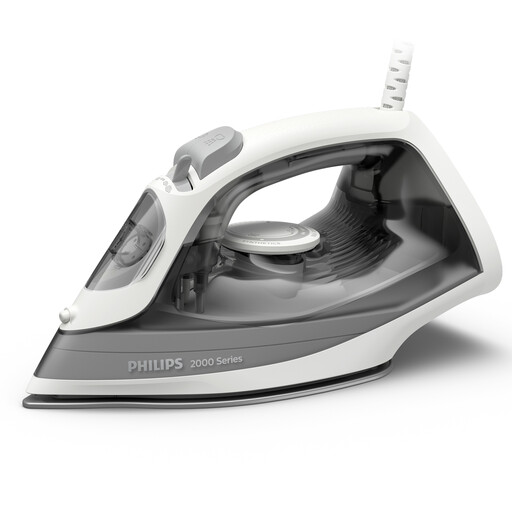 No image available
Consider this conventional iron for flat pressing a few placemats, provided their care labels permit ironing. Check its controls, stored size and water instructions against your routine.
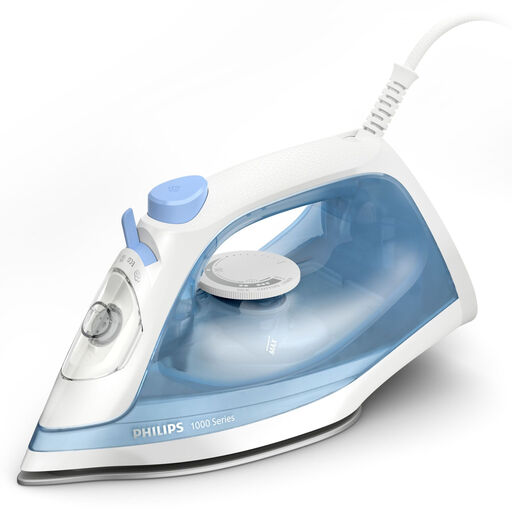 No image available
This conventional iron is another option for placemats whose labels allow flat ironing. If cupboard space is tight, compare its stored dimensions with the space you have.
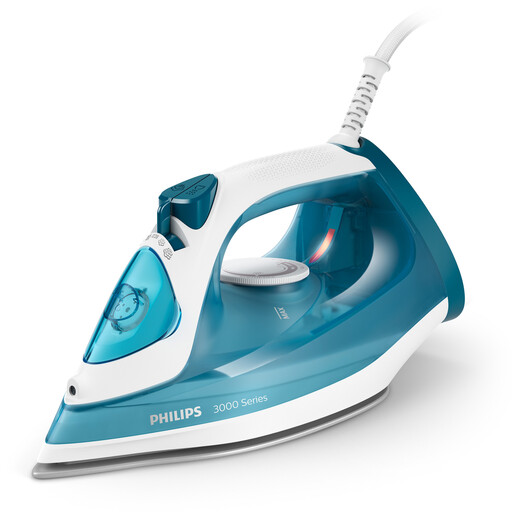 No image available
Consider this conventional iron when a separate generator base would be inconvenient for your placemat-pressing routine. Confirm that its size fits your storage space and that its controls suit the fabrics you iron.
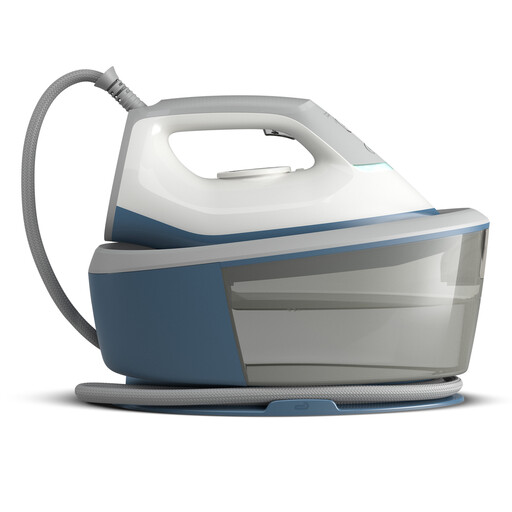 No image available
Consider this steam-generator format if placemats are part of frequent, larger ironing loads. Its separate base needs room both during use and in storage, so measure the available space first.
A conventional steam iron is the more practical starting point for a few placemats in a small flat. Which? describes standard irons as compact and easy to store, while a generator has a separate tank; consider one if you also iron larger loads regularly and have space for its base.
No: a stable tabletop ironing board can provide a flat surface without a full-height frame, as described by John Lewis & Partners. Check that your chosen surface suits the appliance; Tefal advises a board and cover that let steam pass through when using a steam generator.
Use the water and descaling routine specified for your exact iron. Philips says harder water accelerates scale build-up, while Which? notes that limescale can reduce steam output; check the manual before adding water or cleaning the tank.
Confirm with the seller that the appliance and its product and safety documentation suit your delivery region. GOV.UK's guidance on the Electrical Equipment (Safety) Regulations 2016 covers products placed on the Great Britain market and notes that provisions for Northern Ireland differ; a UK listing alone does not settle which requirements apply to your delivery.