
24/7 Customer Support

Free returns

Same-day & Next-day Delivery

Quality Guaranteed

Unlock Your Welcome Offers: FREE Delivery | Up to 80% OFF | Free 30-day JoyPlus trial
Download the APP
As your child grows, transitioning them to a high-back booster seat is a significant milestone. However, navigating the market can be confusing, with evolving safety standards and a dizzying array of features. Choosing the right seat is about more than just comfort; it's about ensuring their safety for years to come. This guide cuts through the clutter, helping you understand the essential features of a modern ISOFIX high back booster seat and avoid common purchasing mistakes.
Many well-intentioned parents fall into traps set by outdated information or clever marketing. Here are three critical points to watch for:
To make a confident choice, focus on these non-negotiable technical specifications. They are the foundation of a safe and practical car seat for 4 to 12 years.
When you see R129 booster seat or i-Size on a product, it signifies that the seat complies with the latest European safety regulations. Here’s what that means for you in simple terms:
ISOFIX is a standardised system for installing child car seats. It involves two rigid connectors on the car seat that lock directly onto small metal anchor points built into your car's chassis, usually located in the gap between the seat back and cushion.
We've analysed the market to find seats that address the common pitfalls and meet key safety criteria. Here are our recommendations, matched to different family needs.

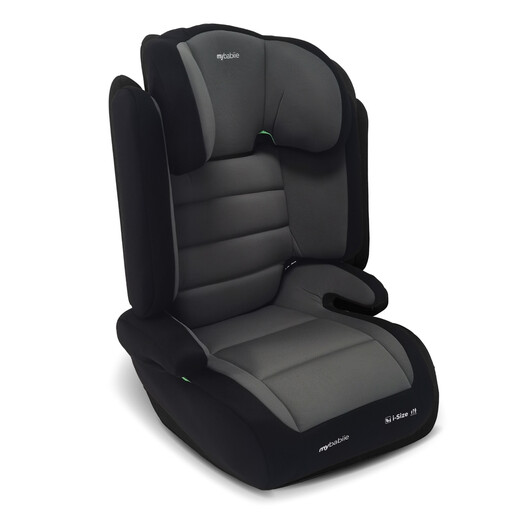
Why This Fits Their Persona: This profile prioritises the latest safety standards and a foolproof installation. This My Babiie car seat combines both R129 certification and ISOFIX connectors for maximum peace of mind on every journey.
It directly addresses the installation trap with its simple, secure ISOFIX system and visual indicators. It is also certified to the newer R129 standard, not the outdated R44 regulation.
Features a 10-position adjustable headrest that grows with your child from 100-150cm. The combination of R129 safety and ISOFIX stability offers a comprehensive safety solution.
Why This Fits Their Persona: Ideal for families who frequently switch the car seat between vehicles or for use in older cars without ISOFIX points. Its extremely lightweight design makes transfers quick and effortless.
While it uses a seatbelt installation, it is still certified to the high R129/i-Size standard, ensuring it has passed stringent side-impact tests. It avoids the trap of using an outdated R44 seat.
Weighing only 4kg, it is exceptionally lightweight and easy to move. The 8-position adjustable headrest and memory foam padding provide comfort and a secure fit as the child grows.
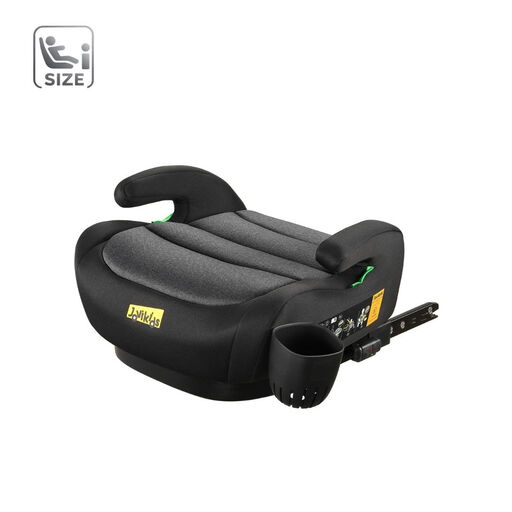
Why This Fits Their Persona: This seat is specifically for children in the 125-150cm height range (approx. 7-12 years). It's a practical, no-fuss final stage booster that combines R129 safety with the security of ISOFIX.
By focusing on a specific height range (125-150cm), it ensures an optimal fit for older children. It features both R129 approval and ISOFIX connectors, hitting the key safety and stability markers.
Lightweight and portable design with a removable, machine-washable cover for easy maintenance. The built-in seat belt guide ensures correct belt positioning across the child's shoulder and lap.
We have compiled a complete, real-time list of products that fully satisfy these strict selection criteria and UK safety regulations.
1. What is the difference between an R129 booster seat and a Group 2/3 car seat? The main difference is the basis for classification and the safety testing involved. A Group 2/3 car seat is based on the older R44 regulation and is categorised by a child's weight (15-36kg). An R129 booster seat is based on the newer i-Size regulation, uses a child's height for fitting (e.g., 100-150cm) and must pass mandatory side-impact tests, which was not a requirement under R44.
2. Can I use an ISOFIX high back booster seat in a car without ISOFIX points? Yes, in most cases. Many ISOFIX high-back boosters are designed to be "universal" and can also be installed using only the vehicle's 3-point seatbelt. The ISOFIX connectors can often be retracted or folded away. In this scenario, the seat functions as a belt-fitted booster, with the seatbelt securing both the child and the seat itself. Always check the manufacturer's instructions to confirm dual-installation capability.
3. How long can my child use a 100-150cm i-Size car seat? A 100-150cm i-Size car seat is designed to last for a significant portion of your child's development, typically from around 4 years old until they reach 12 years old or 150cm in height, whichever comes first. In the UK, children must use a car seat until they are 12 years old or 135cm tall. A seat that goes up to 150cm offers extended use and value, ensuring your child remains safely seated for as long as they need.