
24/7 Customer Support

Free returns

Same-day & Next-day Delivery

Quality Guaranteed

Unlock Your Welcome Offers: FREE Delivery | Up to 80% OFF | Free 30-day JoyPlus trial
Download the APP
Choosing Italian food and drink for a UK kitchen can seem straightforward until marketing language gets in the way. Labels such as “traditional”, “premium” and “authentic-style” do not always explain what you are actually buying, how it should be stored or whether it suits your dietary needs.
This guide focuses on practical checks for Italian groceries, including Italian pasta, pasta sauces, Italian seasoning, balsamic vinegar, coffee, snacks and aperitivo drinks.
A product may use Italian-inspired recipes, ingredients or names while being manufactured elsewhere. This is not automatically a problem, but the country of origin matters if you specifically want Italian food products made in Italy. Check the packaging rather than relying on imagery or wording on the front.
For example, Filippo Berio Balsamic Vinegar 250ml is listed as made in Italy, while several sauces and ready meals in this guide are manufactured in the UK or the EU.
Large jars can appear better value, but an opened sauce may need refrigeration and consumption within a few days. A 675g jar of pasta sauce may suit a family meal, while a smaller stir-in pot can be more practical for one or two portions.
Likewise, dried Italian seasoning and pasta are cupboard-friendly, whereas pesto, cheese, dressing and opened sauces need closer attention to storage instructions.
Vegetarian or vegan Italian food should be checked against the ingredients and allergen statement. Cheese-based sauces may contain milk, pesto can contain dairy or nuts, and vegan products may still contain soya, wheat or traces of other allergens.
Always check the current packaging, particularly if you have an allergy or are buying for guests.
Decide whether you want an imported product from Italy, an Italian-style product made in the UK, or simply a convenient ingredient for Italian-inspired cooking. This helps prevent paying extra for branding that does not match your intended use.
For Italian pasta, check the shape as well as the origin. Shell-shaped pasta such as lumaconi is useful with thicker sauces because its cavity can hold sauce. Spaghetti, penne and fusilli are generally more flexible for everyday meals.
Ingredients are listed by weight, so the first few entries tell you what makes up most of the product. For pasta sauces, compare the proportion of tomatoes, oil, sugar and salt. For Italian dressing, look for the type and quantity of oil and vinegar.
UK food labels must identify regulated allergens, commonly through bold type. Typical allergens across this category include wheat, milk, egg, mustard, celery, soya and nuts. “Suitable for vegans” can be useful, but still check the full label because formulations may change.
For aperitivo drinks, check the ABV, bottle size and age restriction. Aperol Aperitivo 100cl is listed at 11% ABV, is intended for adults aged 18 and over, and should be enjoyed responsibly. It can be served in an Aperol Spritz or alongside small snacks such as olives, nuts and other cicchetti-style bites.
For Italian coffee, brewing format is equally important. Costa Coffee Mocha Italia Signature Blend Ground for Cafetiere & Filter No. 3 is ground for cafetière and filter preparation, so it is not the right format for every espresso machine. Storage after opening also affects freshness.
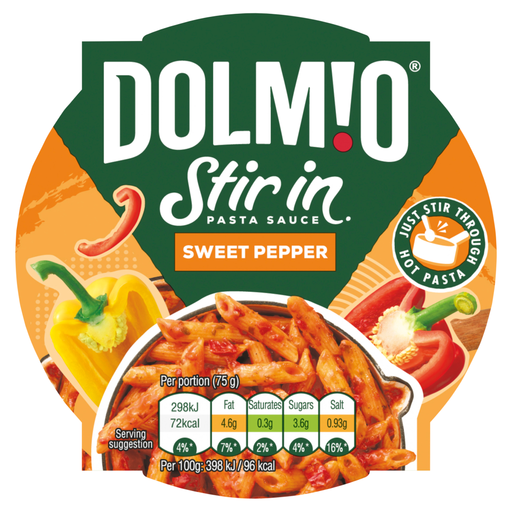
Why This Fits Their Persona: A single 150g pot is convenient for quick weekday meals, particularly when you want to avoid opening a large jar.
The portion size reduces the risk of unused sauce being left in the fridge. It is designed to be stirred into hot pasta without separate heating.
Contains tomatoes, red and yellow peppers; listed as suitable for a vegetarian meal.

Why This Fits Their Persona: A compact snack for entertaining, wine pairings or an aperitivo board where a distinctive savoury flavour is useful.
The ingredient list identifies almonds, cashews and hazelnuts, making the main allergen information clear rather than hidden behind a generic flavour description.
Contains an almond, cashew and hazelnut mix with black truffle seasoning; supplied in a 100g pack.
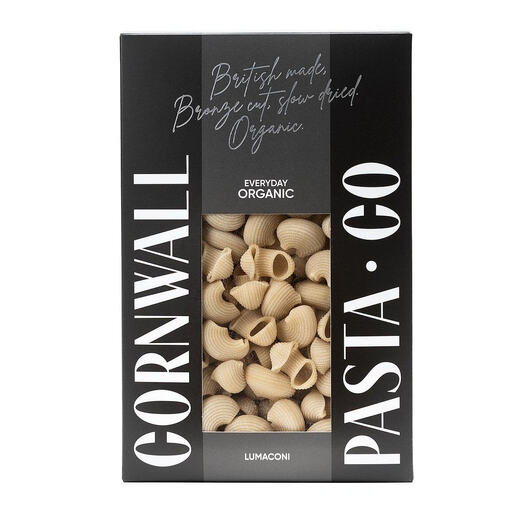
Why This Fits Their Persona: Suitable for regular cooks who want a larger dried-pasta pack and a shape that works with substantial sauces or baked dishes.
The product specifies organic wheat, bronze-die extrusion and slow drying, giving useful detail beyond a broad “Italian pasta” label.
500g pack; lumaconi shape; ingredients are organic wheat and water; contains wheat.
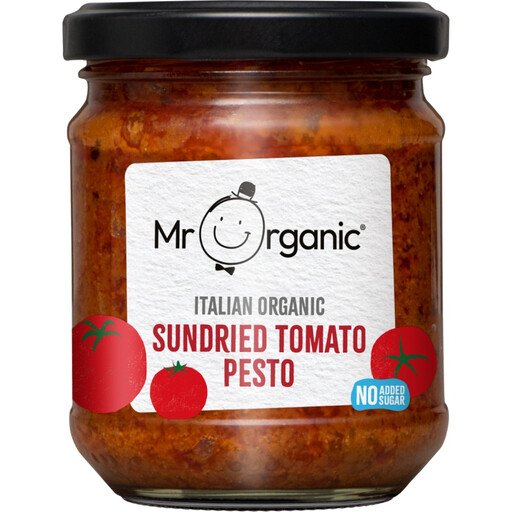
Why This Fits Their Persona: A plant-based option for pasta, sandwiches and salads when dairy-free Italian-style meals are a priority.
It is specifically listed as suitable for vegans, while the ingredient and allergen information identifies soya and possible traces of nuts, celery and peanuts.
Contains 28% rehydrated sun-dried tomatoes; organic plant-based ingredients; 190g jar.
We have compiled a complete, real-time list of products that fully satisfy these strict selection criteria and UK safety regulations.
Build a flexible cupboard by combining dried pasta, a tomato-based sauce and Italian seasoning. Morrisons Italian Seasoning 15g contains oregano, basil, garlic, onion and other dried herbs, making it suitable for sauces, roasted vegetables and marinades.
For salads and vegetables, balsamic vinegar or Italian dressing adds acidity without requiring a full recipe. Newman's Own Italian Dressing 250g is listed as suitable for vegans and vegetarians, but contains mustard and celery.
For entertaining, consider Aperol aperitivo with olives, mixed nuts and small savoury bites. For a non-alcoholic food-led option, Italian coffee and snacks can work well after a meal.
Use dried Italian pasta with a ready-made tomato or pepper sauce, then add vegetables, grated cheese or a plant-based pesto according to dietary preference. Check the cooking instructions and refrigerate opened sauces within the stated timeframe.
Unopened jars are usually kept in a cool, dry cupboard. Once opened, many sauces and pestos require refrigeration and should be consumed within a specified period, often three days. Follow the product label rather than assuming all jars have the same lifespan.
Check whether the drink is alcoholic, its ABV, serving guidance, ingredients and storage instructions. Alcohol products such as Aperol Aperitivo are for adults aged 18 and over. Always drink responsibly and check the label before serving.