
24/7 Customer Support

Free returns

Same-day & Next-day Delivery

Quality Guaranteed

Unlock Your Welcome Offers: FREE Delivery | Up to 80% OFF | Free 30-day JoyPlus trial
Download the APP
Buying Italian food and drink online can make everyday meals more interesting, but attractive packaging and familiar Italian wording do not always tell you what is inside the bottle or jar. UK shoppers may also face confusing serving sizes, unclear origins and products that are designed for convenience rather than traditional cooking.
This guide explains what to check before buying Italian groceries, from pasta sauce and pesto to balsamic vinegar, extra virgin olive oil, Italian wine and aperitifs.
“Italian-inspired” and “Italian recipe” can describe products manufactured elsewhere. That is not automatically a problem, but shoppers looking for Italian provenance should check the country of origin, producer details and protected regional designations.
For example, some tomato sauces are made in the UK, while a balsamic vinegar or aperitif may be produced in Italy. The distinction matters when you are buying for a themed meal, a gift or a particular regional style.
Phrases such as “rich”, “traditional” or “premium” are not substitutes for an ingredients list. Compare the actual contents:
A large jar may look economical, but opened sauces often need refrigeration and should be used within a few days. Freshness also matters with oils, coffee and wine.
Alcoholic products require extra care. UK customers must be aged 18 or over to buy alcohol. Check the stated ABV, serving size and unit information, and drink responsibly. Wine and aperitifs may contain sulphites, while food products can contain milk, egg, mustard, celery, nuts or soya.
If origin is important, read beyond the product name. DOCG, DOC and other protected designations indicate that a wine is associated with defined production rules and a specific region. Chianti wine is linked with Tuscany, Gavi wine with Piedmont and Valpolicella wine with Veneto.
For food, “Made in Italy” is a useful starting point, but it does not necessarily mean every ingredient originated there. Review the full label when provenance is central to your purchase.
The first ingredient is generally present in the greatest quantity, so this is a quick way to compare products. A tomato sauce led by tomatoes will differ from one led by water or thickening agents. Likewise, a bottle labelled extra virgin olive oil should list 100% extra virgin olive oil rather than a blend of refined oils.
Use nutrition panels to compare salt, sugars and saturated fat per 100g or 100ml, particularly when buying sauces for regular family meals. A smaller pot may also contain fewer servings than a larger jar, so compare quantity as well as price.
Match the product to how you will use it:
Always follow the packaging for storage and use-by guidance. Keep oils away from heat and direct sunlight, and refrigerate opened sauces according to the label.
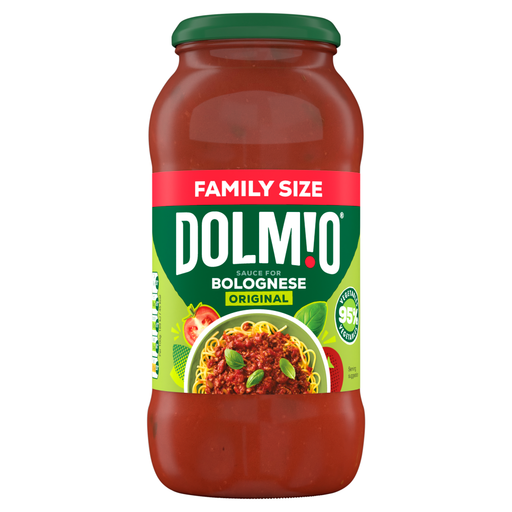
Why This Fits Their Persona: A sizeable jar suits UK households wanting a familiar pasta sauce for straightforward weekday meals without buying several smaller containers.
The ingredients and nutrition panel make the tomato content, salt and sugars visible, rather than relying only on front-of-pack wording.
675g quantity; suitable for spaghetti-based meals; unopened storage in a cool, dry place.
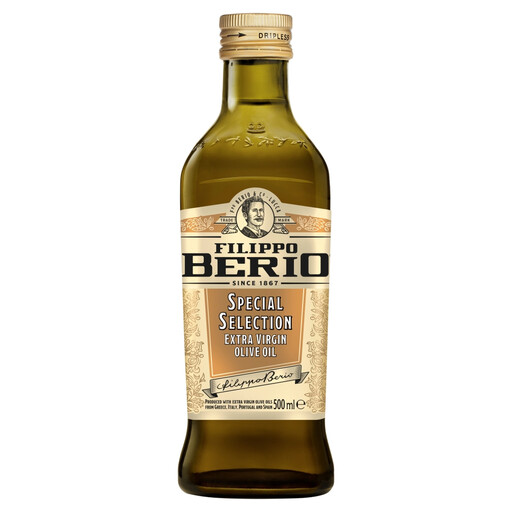
Why This Fits Their Persona: It suits shoppers who want an oil for finishing dishes, dipping bread, dressings and marinades rather than a generic cooking oil.
The label specifies 100% extra virgin olive oil and identifies Italy as the country of origin, giving more useful information than vague quality language.
Single-ingredient oil; 500ml bottle; suitable for salads, marinades and serving after cooking.
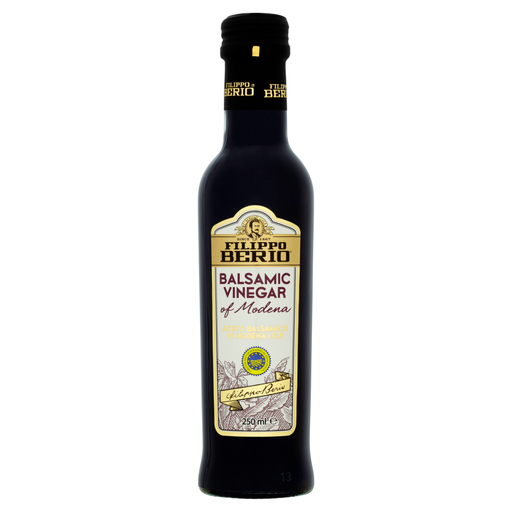
Why This Fits Their Persona: A versatile cupboard ingredient for shoppers who regularly prepare salads, grilled vegetables, fish, meat, dressings and sauces.
The ingredients list clearly identifies wine vinegar, concentrated grape must and caramel colouring, allowing an informed choice.
250ml format; ready to use; suitable for dressings, marinades and sauces; contains sulphites.
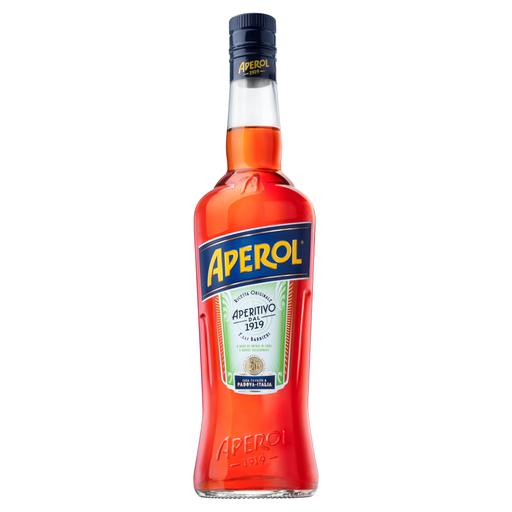
Why This Fits Their Persona: A practical option for hosting pre-dinner drinks, particularly when preparing spritz-style serves with sparkling wine, soda and ice.
The bottle states 11% ABV, 700ml volume and sulphites, so hosts can plan quantities and inform guests appropriately.
Made in Italy; 11% ABV; suitable for spritz serves; store away from direct sunlight.
We have compiled a complete, real-time list of products that fully satisfy these strict selection criteria and UK safety regulations.
For a broader basket, consider combining pantry staples with drinks that suit the meal:
Start with a tomato-based pasta sauce, extra virgin olive oil, balsamic vinegar and dried pasta. Add pesto, Italian cheese and coffee according to your usual meals. This combination supports quick pasta dinners, salads, sandwiches and simple entertaining.
Many jarred sauces and pesto products should be refrigerated after opening and used within three days, but always follow the individual label. Keep the lid secure and discard the product if its appearance, smell or texture changes noticeably.
Choose wine according to the food and occasion: a white such as Gavi can suit seafood and lighter dishes, while Chianti or Valpolicella can complement tomato pasta and richer meals. An Italian aperitif such as Aperol is generally selected for mixed pre-dinner drinks. Check ABV, unit information and age restrictions before purchasing.