Hosts serving drinkers and non-drinkers
Keep a separately prepared alcohol-free drink available, alongside mixers for guests choosing an alcoholic base. A lemonade can also be served as a soft drink in its own right.


Choose the drink base before the mixer: soda, tonic or lemonade can change a serve’s flavour and volume, but the base and the amount poured determine its alcohol content. For an Italian-inspired option, consider blood-orange soda or a citrus mixer; for guests avoiding sugar from the mixer, compare soda water and zero-sugar tonic instead. Check the base’s stated alcohol by volume (ABV) when preparing an alcohol-free or lower-alcohol serve.
Keep a separately prepared alcohol-free drink available, alongside mixers for guests choosing an alcoholic base. A lemonade can also be served as a soft drink in its own right.
Blood-orange or citrus flavours can suit the occasion. Choose the base and measure the pour to control alcohol content; the mixer cannot do that on its own.
Compare soda water and clearly labelled zero-sugar tonic with flavoured sodas and lemonades. Check the nutrition panel for the particular bottle or can you buy.
Settle each guest’s alcohol requirement first, then choose the mixer’s flavour, sugar content and serving format.
| Priority | What to check | Your needs |
|---|---|---|
| Alcohol content | Read the base drink’s stated ABV. Measure any alcoholic base rather than judging the finished serve by its mixer. | I need a separately prepared alcohol-free option for some guests, or a measured pour for those choosing less alcohol. |
| Flavour | Choose between neutral soda, quinine-led tonic, blood orange and herbal notes, or lemon and floral flavours. Check whether the mixer also works on its own. | For an Italian-inspired drink, I might choose blood orange or Sicilian lemon; another guest may prefer a simpler tonic. |
| Sugar | Compare the nutrition panels per 100 ml and consider how much mixer goes into a serving. Do not infer sugar content from alcohol content or a product name. | If I want no sugar from the mixer, I’ll check for a zero-sugar option rather than assume every soft drink qualifies. |
| Serving format | Check the bottle or can size against the number of guests and the drinks you plan to make. Follow the pack’s storage instructions after opening. | Individual cans may suit different drink choices, while a shared bottle makes more sense if several guests want the same mixer. |
Soda or tonic may lengthen a drink, but it does not reveal the ABV or amount of the base poured into it.
Check the base’s label and measure the pour. Prepare an alcohol-free drink separately for guests who need one.
UK product information from ASDA, Sainsbury’s and Fentimans lists sugars in their respective blood-orange soda, Sicilian lemonade and rose lemonade. Their values differ from zero-sugar soda or light tonic listings.
Compare the per-100-ml panels and the amount you intend to serve, rather than choosing by flavour or alcohol content alone.
If guests want different mixers, one shared bottle may leave more opened drink than you plan to use.
Choose bottle or can sizes around the guest count, and check the label for instructions once opened.
Fever-Tree describes its Italian Blood Orange Soda as combining Sicilian blood orange with herbal botanicals.
The Schweppes range includes soda water for a neutral mixer and tonic water for a different flavour profile.
Fentimans Rose Lemonade offers lemon and rose flavours as a standalone soft drink or mixer.
Britvic has described classic and zero-sugar Indian Tonic Water cans in its grocery range.
Tesco Finest Light Mediterranean Style Tonic Water is a quinine-containing own-label tonic.
Taste the Difference Sicilian Lemonade provides a citrus soft-drink option in a 750 ml bottle.
These tonic and citrus soft-drink options can accompany a separately chosen base at an Italian-night gathering. Their names and pack sizes help narrow the choice; check each product label for the sugar content and ingredients that matter to your guests.
 No image available
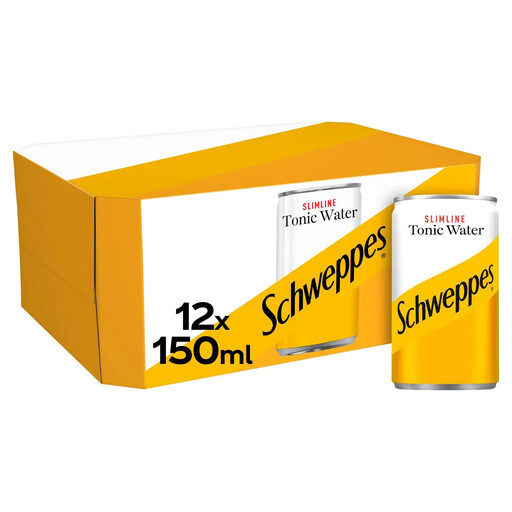
A tonic option for guests who prefer that style of long drink. The 12 x 150 ml pack allows cans to be opened individually; check this variant’s label if sugar content or sweeteners affect your choice.
 No image available
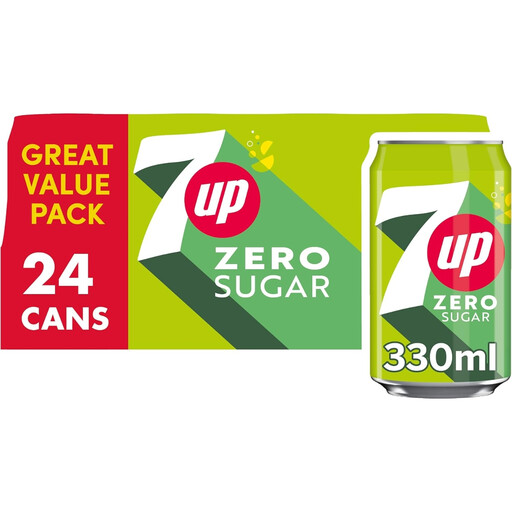
A lemon-and-lime soft-drink option for guests who want citrus rather than tonic. The pack contains 24 x 330 ml cans; check the label against any ingredient requirements and choose a separate base if making a mixed drink.
 No image available
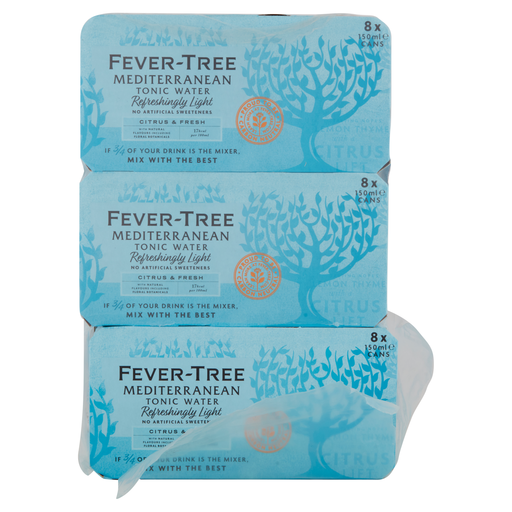
A Mediterranean-style tonic to consider for an Italian-inspired serve. The pack contains 8 x 150 ml cans; check its sugar declaration rather than assuming that “Refreshingly Light” means zero sugar.
 No image available
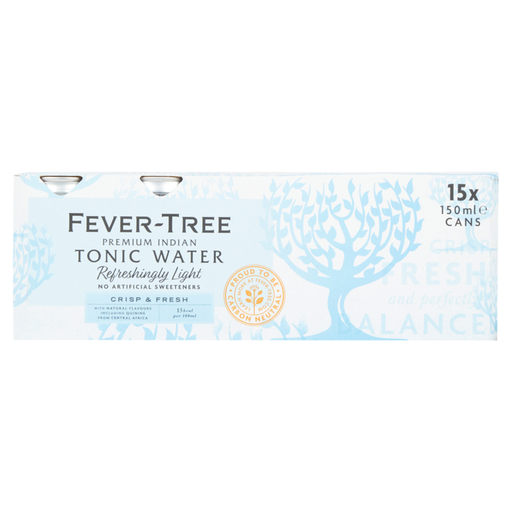
An Indian tonic option when you want to serve the mixer separately from a chosen base. The pack contains 15 x 150 ml cans; compare its nutrition panel with a zero-sugar tonic if sugar avoidance is important.
 No image available
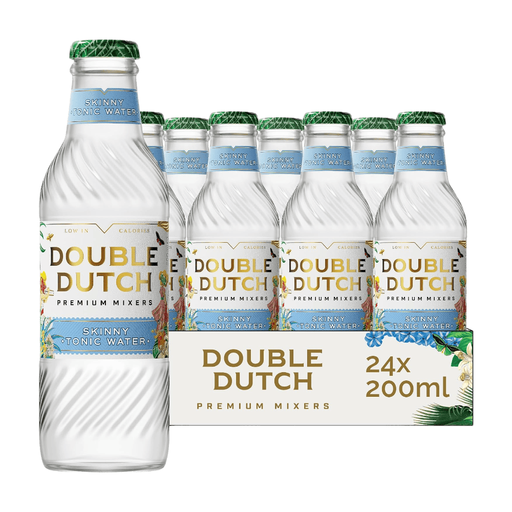
A tonic option in a 24 x 200 ml pack for serving several guests. Check the package nutrition panel before comparing its sugar or energy values with other mixers; the word “Skinny” does not establish either figure.
No. The finished drink’s alcohol content depends on the base’s ABV and how much you pour. Check the base’s stated ABV, and prepare an alcohol-free serve separately when a guest requires one.
The Department of Health and Social Care’s UK low-alcohol descriptors guidance, dated December 2018, says a drink described as “low alcohol” must be 1.2% ABV or below and include its maximum ABV on the label. A mixer’s name or nutrition panel does not tell you the alcohol content of a drink made with a separate base.
Start with a soda water or a tonic explicitly labelled zero sugar, then check the exact product’s nutrition panel. Coca-Cola Great Britain lists 0 g sugars per 100 ml for Schweppes Soda Water, while Tesco lists the same figure for its Finest Light Mediterranean Style Tonic Water.
Yes. Sainsbury’s Sicilian Lemonade is a soft drink that can be served on its own. Its listing gives 4.0 g sugars per 100 ml, so compare the panel with other mixers if sugar content matters.
Follow each pack’s storage and use-after-opening instructions. If guests are likely to choose different drinks, smaller individual containers may let you leave the remaining mixers unopened.