
24/7 Customer Support

Free returns

Same-day & Next-day Delivery

Quality Guaranteed

Unlock Your Welcome Offers: FREE Delivery | Up to 80% OFF | Free 30-day JoyPlus trial
Download the APP
Buying Italian red wine online can seem straightforward until you compare regions, grape varieties, appellations, vintages and case prices. A familiar-looking label does not always tell you whether the wine will be light and fresh, full-bodied and rich, dry or sweet.
For UK shoppers, the most useful approach is to match the bottle with how you plan to drink it, then check the details that affect value, flavour and suitability.
“Veneto red wine”, “Sicilian red wine” and “Tuscan red wine” cover a wide range of styles. A light Valpolicella can be very different from a rich appassimento wine from the same broad area. Likewise, Tuscan wines based on Sangiovese may range from fresh, food-friendly bottles to structured wines intended for longer cellaring.
Treat the region as a starting point rather than a complete flavour description. Check the grape variety, appellation and producer information before buying.
An appassimento red wine is made using partially dried grapes, which can create concentrated fruit flavours and a rounder texture. That does not automatically mean the wine is sweet, however. If you want a genuinely sweet Italian red wine, look for a style such as Recioto and check the product description carefully.
For a dry, everyday bottle, Montepulciano d'Abruzzo, Valpolicella DOC or Barbera d'Alba may be more suitable. For dessert, dark chocolate or blue cheese, a sweet Recioto can be a better match.
An Italian red wine case is useful for hosting, gifts or regular dinners, but compare the price per 75cl bottle, not only the headline discount. Also consider whether you genuinely want several bottles of the same style. A case of a robust wine may be less practical if you normally prefer lighter, fresher reds.
Check the number of bottles, bottle size, alcohol percentage, delivery terms and whether the listed vintage may vary by batch.
Protected designations can provide useful information about origin and production rules:
The grape is equally important. Sangiovese is associated with Chianti and many Tuscan wines, while Corvina is central to Valpolicella. Barbera typically offers lively acidity and red-fruit character. Montepulciano d'Abruzzo is generally a generous, approachable choice for pasta, pizza and grilled foods.
If you enjoy Sangiovese-based wines, you can browse the wider Sangiovese red wine range.
Alcohol levels influence body, warmth and how substantial a wine feels with food. The product details may show the ABV, while the label provides the legally relevant information for the specific bottle.
For context, the listed Cantine Lenotti Rosso Passo is approximately 12.5% ABV and contains around 9.4 UK units per 750ml bottle. A fuller Montefalco wine may be around 14.5% ABV, providing approximately 10.9 units per bottle. These figures can vary, so check the packaging when it arrives.
All alcoholic drinks are for adults aged 18 and over. Drink responsibly, never drink and drive, and consider the UK Chief Medical Officers’ guidance of not regularly exceeding 14 units per week.
Most wine contains sulphites, which must be declared as an allergen when present above the relevant threshold. If you are looking for vegan Italian wine, check the product listing and physical label rather than assuming every red wine is suitable. Winemaking fining agents can vary between producers.
For example, the Lenotti Rosso Passo and Bertani Valpolicella listings state that they are suitable for vegetarians and vegans. Always review the latest packaging information, particularly when buying a different vintage or batch.
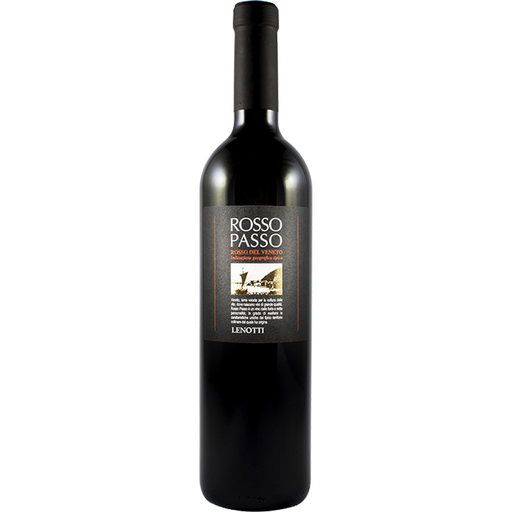
Why This Fits Their Persona: A straightforward option for shoppers discovering Italian red wine, with a smooth, rounded profile suited to weeknight meals, picnics and informal gatherings.
The listing gives a clear 75cl format, approximately 12.5% ABV and stated vegan suitability, reducing uncertainty at checkout.
Soft fruit flavours, gentle tannins, 12.5% ABV and suitability for vegans and vegetarians.
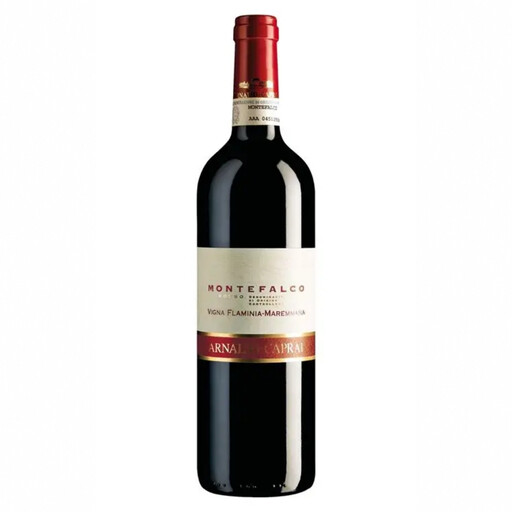
Why This Fits Their Persona: A structured Umbrian choice for dinners involving grilled steak, lamb, rich sauces or aged cheese.
Its stated Montefalco DOC blend and 14.5% ABV provide more useful information than relying on vague descriptions such as “bold” or “luxurious”.
Sangiovese, Sagrantino and Merlot blend; one year of oak maturation; vegan suitability listed.
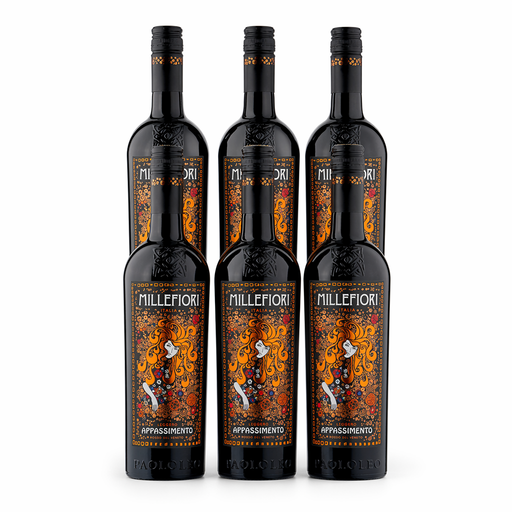
Why This Fits Their Persona: A practical case format for hosts, larger households and shoppers who want a rich red for robust meals and relaxed entertaining.
The listing explains the appassimento method, grape blend, oak maturation and approximate ABV, so shoppers can assess richness rather than guess from the name.
Veneto Corvina and Merlot blend; approximately 60% of grapes undergo partial drying; suitable for vegans and vegetarians.
We have compiled a complete, real-time list of products that fully satisfy these strict selection criteria and UK safety regulations.
For a flexible table wine, look for Valpolicella DOC, Barbera or Montepulciano d'Abruzzo. These styles can work with tomato-based pasta, pizza, roasted vegetables, poultry and lighter meats. The Valpolicella DOC 2022 Bertani is described as light to medium-bodied, with red-fruit flavours, refreshing acidity and soft tannins.
For richer dishes, consider Chianti DOCG, Montefalco Rosso or an appassimento wine. A Chianti Colli Fiorentini DOCG can suit ragù, grilled meats and mature cheese, while a fuller Umbrian red is more appropriate for slow-cooked dishes.
Serve most medium-bodied reds slightly below typical room temperature, around 14–18°C, depending on the style. Richer wines may benefit from opening before serving; lighter Valpolicella can be served slightly chilled.
Yes. Choose a moderate-alcohol, dry style with fresh acidity and soft tannins. Valpolicella, Barbera and Montepulciano d'Abruzzo are practical options for pasta, pizza and casual dinners.
It can offer a lower bottle price, but compare the total cost divided by the number of 75cl bottles. Check delivery charges, bottle count, ABV and whether the case contains a style you will regularly serve.
Reseal it securely and refrigerate it. Most everyday red wine is more enjoyable within a few days of opening. Store unopened bottles away from sunlight and temperature fluctuations, and follow the product label for specific guidance.