
24/7 Customer Support

Free returns

Same-day & Next-day Delivery

Quality Guaranteed

Unlock Your Welcome Offers: FREE Delivery | Up to 80% OFF | Free 30-day JoyPlus trial
Download the APP
An Italian red wine case deal can be a practical way to replenish your wine rack, prepare for entertaining or spread delivery costs across several bottles. However, a larger pack is not automatically good value. The wrong case may contain wines that are too heavy for your usual meals, bottles with limited drinking windows or styles that do not suit your guests.
This guide explains the details worth checking before buying Italian red wine online, followed by recommendations matched to different drinking habits and budgets.
A case can offer convenience, but compare the price per 75cl bottle, not just the headline saving. Check whether the case contains identical bottles or a mixed selection, and confirm the number of bottles before checkout. Delivery charges and minimum-order conditions can also affect the final cost of online wine delivery received by UK shoppers.
Italian wine labels can refer to a region, grape, appellation or production method. These terms do not all describe the same style. A Chianti Rufina Riserva, for example, is generally a structured Tuscan red, while a young Valpolicella DOC is typically fresher and lighter. An appassimento wine uses partially dried grapes, which can create a richer, warmer profile.
A bottle described as rich may be dry, off-dry or sweet. Recioto della Valpolicella is a sweet style, while Montepulciano d’Abruzzo is usually dry. Also check the ABV: bottles in this selection range from around 12% to 14.5% vol. A 75cl bottle at 13.5% ABV contains approximately 10.1 UK units, so serving size matters when planning a gathering.
Use the grape variety as a starting point:
Protected designations such as DOC and DOCG indicate that the wine follows specified regional production rules. They are useful signposts, but they do not guarantee that every bottle will match your personal taste.
Most options in this guide are standard 75cl red wine bottles. Check:
Vegan status can vary by wine and production batch. Where a product is marked suitable for vegans, still check the label if this is an important buying requirement.
For weeknight meals, look for approachable fruit, moderate alcohol and softer tannins. For steak, game or slow-cooked dishes, a more structured Montefalco Rosso or Chianti Rufina Riserva may be more suitable. For dessert or cheese courses, a sweet Recioto can be more appropriate than a dry red.
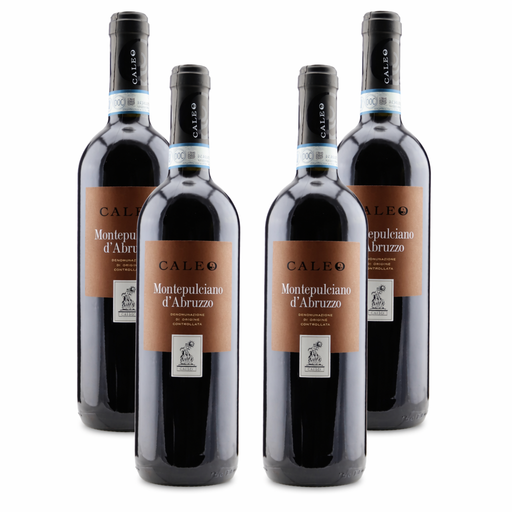
Why This Fits Their Persona: A practical case option for shoppers building a home supply for pasta nights, pizza, sausages and informal gatherings.
The product information identifies a dry, medium-bodied style at approximately 12.5% ABV, rather than relying only on vague value language.
Abruzzo origin, soft tannins and vegan suitability make it suitable for everyday serving and mixed groups.
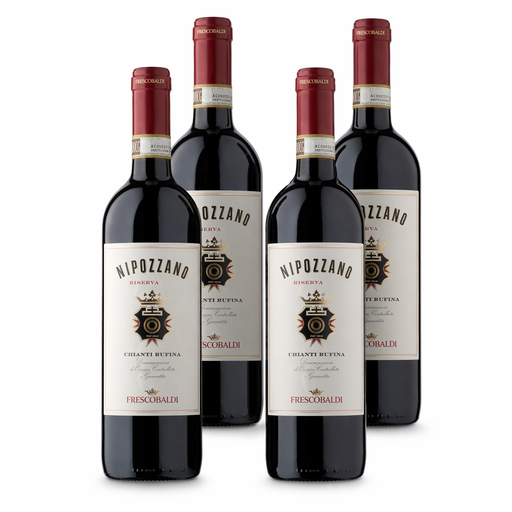
Why This Fits Their Persona: A Tuscan case for dinner hosts and shoppers who prefer a structured red with a recognised DOCG appellation.
The listing specifies the Chianti Rufina DOCG area, grape blend, 13.5% ABV and suggested serving temperature of 16–18°C.
Sangiovese-led blend, vegan suitability and compatibility with roast meats, rich pasta and aged Pecorino.
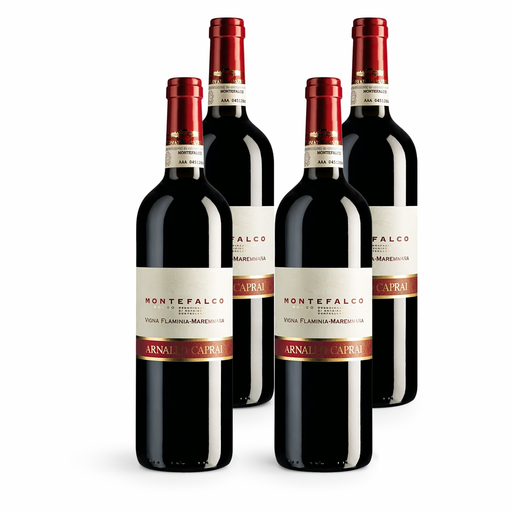
Why This Fits Their Persona: A substantial Umbrian option for frequent hosts serving lamb, steak, game, rich ragù and aged cheese.
The stated blend includes Sangiovese, Sagrantino and Merlot, with 14.5% ABV and one year of oak ageing clearly identified.
Fuller structure, vegan suitability and a case format suited to regular entertaining.
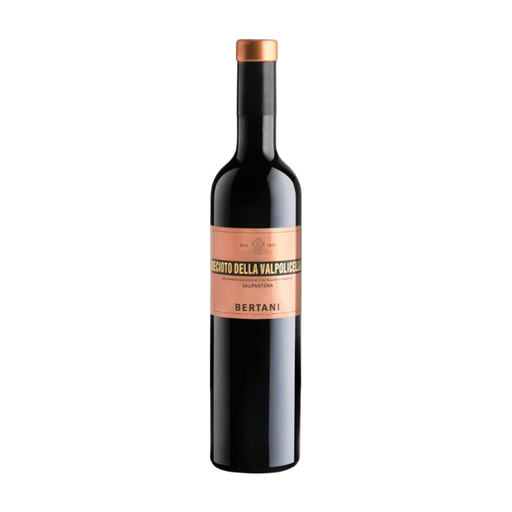
Why This Fits Their Persona: A distinctive Veneto wine for dessert courses, cheese boards, celebrations or a considered wine gift.
It is identified as a sweet Recioto made using the appassimento method, so shoppers are less likely to mistake it for a dry everyday red.
Corvina and Rondinella blend, 12.5% ABV and pairing guidance for dark chocolate, fruit pies and young to medium-aged cheese.
We have compiled a complete, real-time list of products that fully satisfy these strict selection criteria and UK safety regulations.
Store unopened bottles in a cool, dark place away from direct sunlight and temperature fluctuations. Follow the product page for serving advice: lighter Valpolicella may be served slightly cool, while structured Tuscan or Umbrian reds are commonly served around 16–20°C.
All listed alcoholic products are for adults aged 18 and over. Check ID requirements at delivery, do not drink and drive, and enjoy responsibly. The UK Chief Medical Officers advise adults not to regularly exceed 14 units of alcohol per week.
It can be, but the saving depends on the bottle count, listed price, delivery charge and any promotion. Divide the total cost by the number of bottles to compare the effective price per 75cl bottle.
Approachable Valpolicella DOC, Veneto red wine and Montepulciano d’Abruzzo styles can work well with pasta, pizza, poultry and lighter meats. For richer dishes, consider a Tuscan red wine or Montefalco Rosso with more acidity or tannic structure.
Fresh, fruit-led wines are generally intended for earlier drinking, while structured Riserva, Montefalco and Sagrantino wine styles may offer more ageing potential. Store bottles correctly and follow the vintage and producer guidance on the packaging rather than assuming every bottle improves with time.