
24/7 Customer Support

Free returns

Same-day & Next-day Delivery

Quality Guaranteed

Unlock Your Welcome Offers: FREE Delivery | Up to 80% OFF | Free 30-day JoyPlus trial
Download the APP
Navigating the world of Italian red wine can feel like a trip through a labyrinth. With thousands of grape varieties and a dizzying array of regional labels, it is easy to feel overwhelmed and make a choice you later regret. Many UK shoppers find themselves either overpaying for a famous name that under-delivers or settling for a budget bottle that lacks any real character.
As the Joybuy Product Recommendation Officer, my role is to help you sidestep these common issues. This guide will highlight the key pitfalls to avoid and provide a clear framework for selecting a bottle that genuinely suits your taste and budget, whether you're looking for an easy drinking Italian red for a Tuesday night or a standout bottle for a special occasion.
Before we explore our recommendations, let's look at the frequent traps that can lead to a disappointing purchase.
To make a confident choice, focus on a few key details on the bottle. These indicators provide reliable clues about the wine's quality and style.
Italian wine labels feature a quality classification system. Understanding it is the first step to finding a good bottle.
While Italy has hundreds of native grapes, a few key players define the most popular red wine styles.
Here are a few selections that align with different needs, each chosen to help you avoid the common pitfalls and deliver genuine satisfaction.
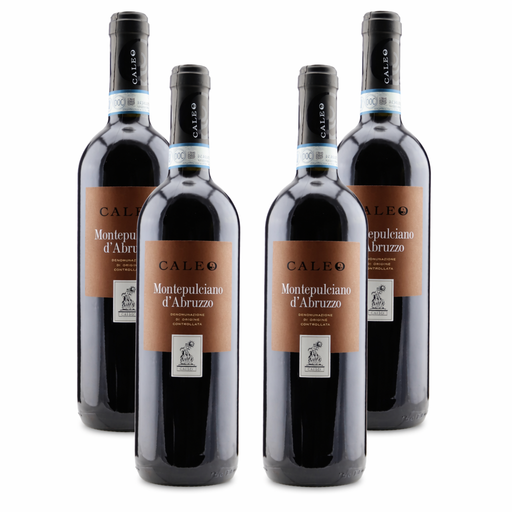
Why This Fits Their Persona: This is for the person who wants a reliable, go-to red for weeknight pizza or pasta. They value consistency and affordability, and buying an Italian red wine case of this Montepulciano ensures they always have a dependable bottle on hand.
It sidesteps the "bland budget wine" trap by offering genuine character. Instead of being thin or simple, it delivers juicy black cherry and plum flavours with soft tannins, making it a truly satisfying and easy-drinking red.
Excellent value and versatility. Its medium body and supple fruit profile make it a fantastic partner for a wide range of everyday meals, from bolognese to grilled sausages.
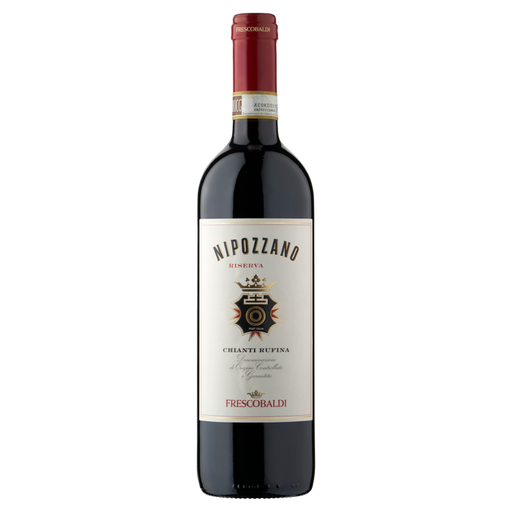
Why This Fits Their Persona: For the host who wants to impress guests with a classic Tuscan red wine without breaking the bank. This wine offers complexity and structure, making it a superb pairing for a Sunday roast or a rich beef stew.
It avoids the "famous label trap." By choosing a Chianti Rufina Riserva, you are selecting a wine from a specific, high-altitude sub-zone with extra ageing (Riserva). This guarantees a level of quality and complexity far beyond a generic Chianti.
Elegance and structure. It presents a complex bouquet of red berries, spice and floral notes, with silky tannins and a long finish. It is a sophisticated wine that demonstrates the true potential of Sangiovese.
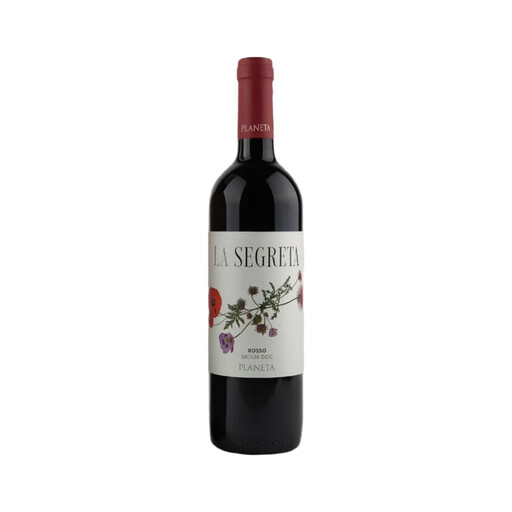
Why This Fits Their Persona: This is for the wine lover eager to explore beyond the mainland. They are curious about different grape blends and want a taste of modern, high-quality Sicilian red wine that reflects its sunny Mediterranean origins.
This choice actively counters the pitfall of ignoring southern Italy. It showcases the quality and character of Sicily, proving that exceptional and authentic wines can be found outside of the more famous northern regions.
A unique and expressive blend. Combining Nero d'Avola with Merlot, Syrah and Cabernet Franc creates a well-structured wine with notes of red currants, mulberry and mint, offering a distinctive taste of Sicily.
We have compiled a complete, real-time list of products that fully satisfy these strict selection criteria and UK safety regulations.
While both are Tuscan wines made primarily from Sangiovese, Chianti Classico DOCG comes from a smaller, historic heartland area between Florence and Siena, considered the original Chianti zone. The production rules are stricter, often resulting in wines with more concentration, structure and ageing potential compared to a standard Chianti DOCG, which can be produced in a much larger surrounding area.
Buying a case can be a very practical decision. If you find an easy drinking Italian red that you enjoy for everyday meals, like a Montepulciano d'Abruzzo or a simple Valpolicella, purchasing a case often provides better value per bottle. It also ensures you have a reliable wine on hand for impromptu dinners or guests. For more complex wines intended for ageing, buying a case allows you to see how the wine evolves over several years.
Most Italian red wines are best served slightly below room temperature, around 16-18°C. Lighter reds like Valpolicella can even benefit from a brief 15-20 minutes in the refrigerator before opening. For more structured, older wines like a Chianti Riserva, decanting for 30-60 minutes before serving can help soften the tannins and allow the complex aromas to open up.