
24/7 Customer Support

Free returns

Same-day & Next-day Delivery

Quality Guaranteed

Unlock Your Welcome Offers: FREE Delivery | Up to 80% OFF | Free 30-day JoyPlus trial
Download the APP
Choosing between Italian tomato passata and puree can seem straightforward, but the products serve different purposes. A smooth passata is usually ready to become the main body of a sauce, while tomato puree is concentrated and intended to add depth in smaller quantities.
For UK households, the right choice depends on cooking habits, pack size, ingredients and how quickly the product will be used after opening. Whether you are preparing pasta, bolognese, meatballs, pizza or soup, checking the label can help prevent waste and disappointing results.
Tomato passata is sieved tomato, generally smooth and pourable. It can form the base of a pasta sauce or soup without much preparation. By contrast, double concentrate tomato puree has a thicker texture and a more intense tomato profile. It is normally added by the spoonful to sauces, stews, gravies and pizza toppings.
Substituting one for the other without adjusting the quantity can affect both texture and flavour. A 500g carton of passata is suitable when you need several portions of smooth tomato sauce, whereas a 130g or 142g tube of puree is more practical for small additions across multiple recipes.
Look for clear wording such as country of origin, “made from Italian tomatoes” or “packed in Italy”. These details are more useful than imagery of vineyards or Italian landmarks on the packaging.
For example, Napolina Tomato Passata 500g is described as using 100% Italian tomatoes and being prepared and packed in Italy. Napolina Double Concentrate Tomato Puree 142g is also described as made with 100% Italian tomatoes. Product labels remain the reference point, as formulations and packaging information can change.
An ambient product is convenient before opening, but opened cartons and tubes need different handling. Passata commonly needs refrigeration and quick use, while concentrated puree may last longer once refrigerated.
A product that looks cheaper per pack may not offer value if your household uses only a small amount and the remainder is discarded. Check the net quantity, suggested portions and use-within guidance before buying multipacks.
Choose passata when you want a smooth, pourable base for:
Choose concentrated tomato paste or puree when you want to intensify a recipe without adding much liquid. It works well with fried onions, garlic and mince, or stirred into stock-based dishes.
A short ingredient list can make meal planning easier. Napolina Tomato Passata lists tomatoes and citric acid, while Napolina Double Concentrate Tomato Puree lists tomatoes and acidity regulator citric acid. Mutti Double Concentrate Tomato Puree 130g lists tomatoes at 99.5% and salt.
Compare this with flavoured passata products. Morrisons Passata With Onion & Garlic 390g includes tomato, onion, sugar, garlic, citric acid, onion extract and garlic extract. It may save preparation time, but it is less neutral than plain passata and may not suit recipes where you want to control the seasoning yourself.
A 500g passata carton can provide the liquid base for a family meal. Smaller packs may be more suitable for one or two portions, while tubes of puree are designed for repeated, measured use.
Always follow the storage directions printed on the pack. The reference products include guidance such as storing unopened products in a cool, dry place, refrigerating after opening and using within a stated period. Do not rely on appearance alone to judge whether an opened product is suitable.
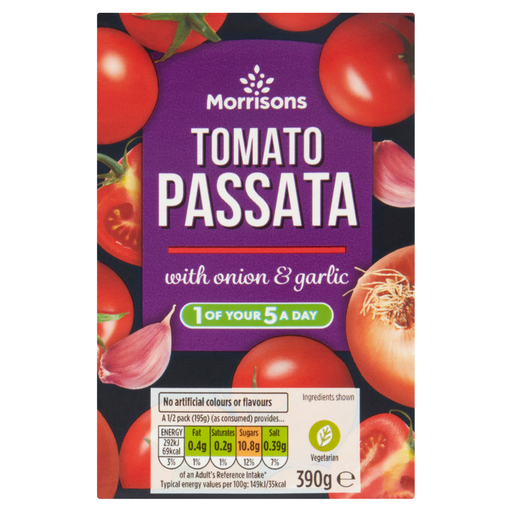
Why This Fits Their Persona: A convenient option for shoppers who want a ready-seasoned base for a quick midweek meal.
The onion and garlic are stated in the ingredients, so the flavour direction is clear rather than implied by front-of-pack imagery.
390g carton; suitable for vegetarians; no artificial colours or flavours listed.
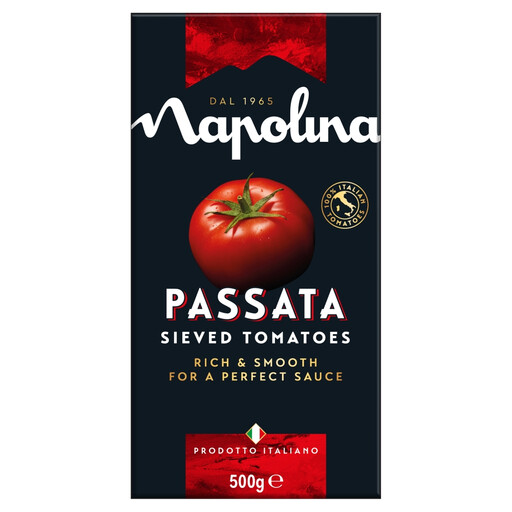
Why This Fits Their Persona: A suitable choice for cooks who want a plain, smooth tomato base with clearly stated Italian sourcing.
The product information identifies 100% Italian tomatoes and a smooth, sieved texture, avoiding confusion with chunky chopped tomatoes.
500g format; tomatoes and citric acid are the listed ingredients; ambient storage before opening.
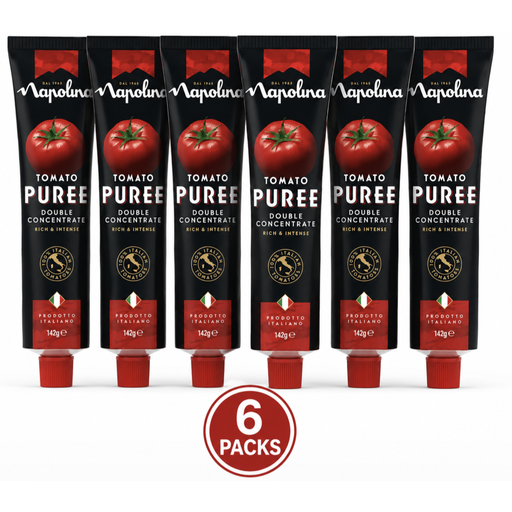
Why This Fits Their Persona: Designed for households that regularly cook sauces, stews, pizzas or large batches and want several tubes available.
The pack states that each tube contains approximately nine 15g portions, making the intended concentrated use clear.
Six-pack format; made with 100% Italian tomatoes; refrigerate after opening and use within four weeks.
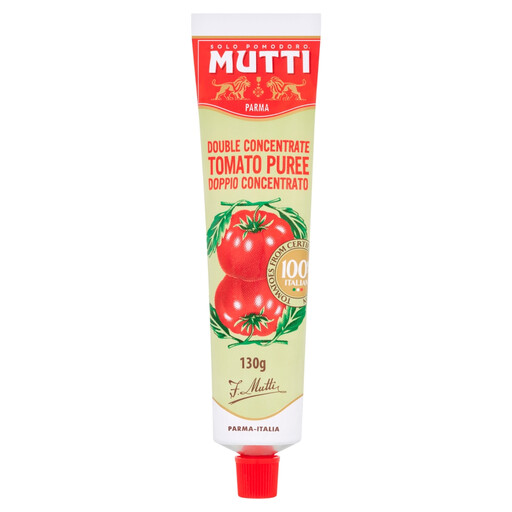
Why This Fits Their Persona: A smaller tube suits occasional cooks, flats with limited cupboard space and recipes needing only a little concentrated tomato.
Its 130g size is easier to match to occasional use than a large passata carton when the recipe needs only a spoonful.
Made in Italy; ingredients list tomatoes at 99.5% and salt; refrigerate after opening and consume within 20 days.
We have compiled a complete, real-time list of products that fully satisfy these strict selection criteria and UK safety regulations.
Use passata as a liquid ingredient and simmer it with herbs, stock, vegetables or cooked meat. For a smoother pasta sauce, reduce it gently rather than adding large quantities of puree.
Use tomato puree more sparingly. Frying it briefly with onions or garlic can help integrate it into a sauce before adding liquid. It is also useful in tomato sauce ingredients for lasagne, chilli, meatballs and homemade pizza.
When comparing Napolina tomato passata, Napolina tomato puree and Mutti tomato puree, focus on the format and storage instructions rather than relying on brand familiarity alone. The correct product is the one that matches your recipe frequency and required quantity.
No. Passata is sieved and relatively pourable, making it suitable as a sauce base. Tomato puree is concentrated, thicker and normally used in smaller amounts to add tomato flavour and colour.
This depends on the product. The reference Napolina Tomato Passata 500g states that it should be refrigerated after opening and used within two days. Always follow the instructions printed on your specific carton.
Generally, unopened puree can be stored in a cool, dry place. Once opened, refrigeration is commonly required. The stated use period varies: the Napolina 142g product gives four weeks, while the Mutti 130g product gives 20 days. Check the packaging and close the tube securely after each use.