
24/7 Customer Support

Free returns

Same-day & Next-day Delivery

Quality Guaranteed

Unlock Your Welcome Offers: FREE Delivery | Up to 80% OFF | Free 30-day JoyPlus trial
Download the APP
Buying Italian wine online can seem straightforward until you start comparing regions, grape varieties, classifications and case prices. A familiar label does not always indicate the style inside, while a low headline price may hide a bottle that does not suit your meal or drinking preferences.
This guide cuts through common shopping pitfalls and compares practical options for UK households, hosts, gift buyers and anyone building a versatile wine selection.
Pinot Grigio can range from light and crisp to fuller-bodied and textured, depending on its region and winemaking. Similarly, Italian red wine made with Corvina may be fresh and light in a Valpolicella, or richer when produced using the appassimento method.
Always check the region, DOC classification, sweetness and serving guidance, rather than relying on the grape name alone.
Italian wine case deals can reduce the price per bottle, but only if you are likely to enjoy the same style repeatedly. Six bottles of a dry white may be practical for regular seafood dinners, while a mixed selection may offer greater flexibility for occasional drinkers.
Before choosing a case, check:
DOC, or Denominazione di Origine Controllata, indicates that a wine follows defined production and geographical rules. It can provide useful information about origin and style, but it does not mean every DOC wine will taste the same or suit every occasion.
For example, Prosecco DOC generally points towards a fresh, sparkling wine from the designated production area. Valpolicella DOC helps identify a Veneto red wine style, while Soave DOC wine is associated with white wine from the Soave area. Your choice should still reflect body, sweetness, acidity and food pairing.
Choose the broad style first:
Alcohol strength varies between bottles. A 75cl wine at around 12–13% ABV contains roughly 9–10 UK units, while a lower-strength sparkling wine may contain fewer. Check the label or product page rather than estimating.
The UK Chief Medical Officers advise adults not to regularly exceed 14 units per week. Alcohol is for adults aged 18 and over; never drink and drive, and avoid alcohol during pregnancy.
Temperature can significantly affect how a wine tastes. Light Italian white wine and rosé are generally served chilled, while sparkling wines are usually best well chilled. Lighter reds such as Valpolicella may be served slightly cool rather than warm.
Store unopened bottles away from direct sunlight and heat. Once opened, reseal still white and rosé wine and refrigerate, then consume promptly. Sparkling wine benefits from a suitable stopper, although its fizz will gradually diminish.
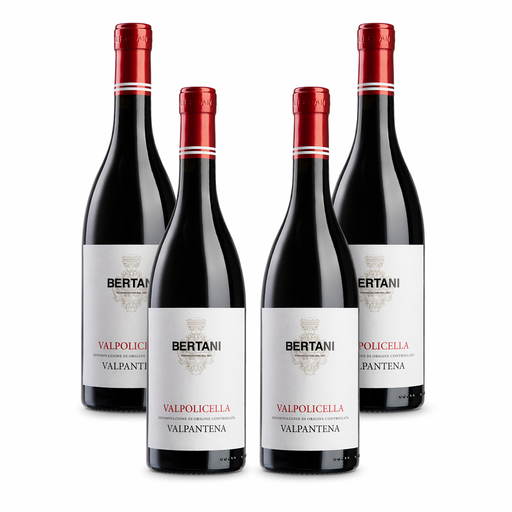
Why This Fits Their Persona: A practical case for households wanting an approachable Veneto red for weeknight meals, casual hosting and Italian-style dishes.
The case format makes the bottle quantity clear, while the Valpolicella DOC classification identifies its Veneto origin and style.
Light-to-medium body, soft tannins and suitability for vegetarians and vegans.
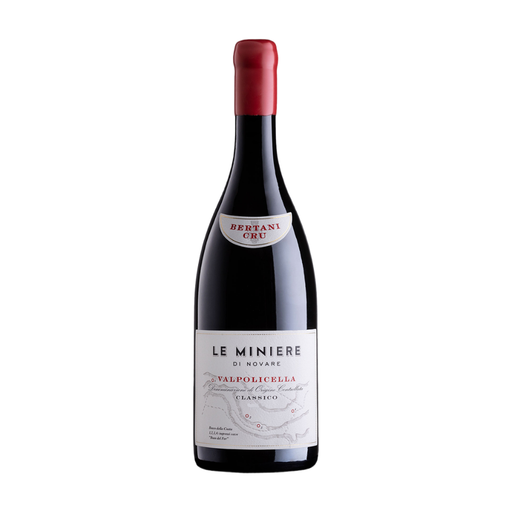
Why This Fits Their Persona: Suits shoppers looking for a more structured Veneto wine for a dinner table, gift or considered bottle selection.
The product page identifies the Valpolicella Classico DOC area, grape blend and 12% ABV, giving useful detail beyond the front label.
Corvina-led blend, fresh red-fruit profile and stated vegan suitability.

Why This Fits Their Persona: A chilled Italian sparkling wine for receptions, birthdays, informal celebrations and light aperitif occasions.
The Brut designation and 11% ABV provide clear guidance on sweetness style and strength.
Made with Glera grapes, suitable for vegans and best served at 6–8°C.
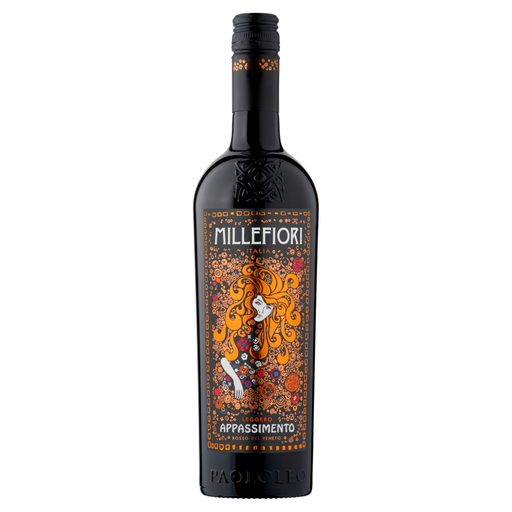
Why This Fits Their Persona: Designed for those who prefer a fuller Italian red with rich dishes, slow-cooked meals and hard cheese.
The appassimento method and approximate 13.5–14% ABV are stated, helping shoppers anticipate a concentrated, higher-strength style.
Veneto origin, Corvina and Merlot blend and stated vegan suitability.
We have compiled a complete, real-time list of products that fully satisfy these strict selection criteria and UK safety regulations.
Yes, provided you match the style to the recipient. Prosecco or Prosecco rosé is suitable for celebratory occasions, while a DOC red or white may be more appropriate for someone who enjoys food pairing. Check the recipient’s preferences and confirm that the bottle is suitable for vegans or vegetarians if relevant.
Still red wine is usually most enjoyable soon after opening, while white and rosé should be resealed and refrigerated. Aim to drink chilled styles within a few days. Sparkling wine loses carbonation more quickly, so use a sparkling-wine stopper and serve promptly.
Several listed products are marked as suitable for vegans, including selected Valpolicella, Prosecco, Soave and Appassimento options. However, recipes and fining processes can vary by vintage or batch, so check the product page and bottle label before buying if vegan suitability is essential.