
24/7 Customer Support

Free returns

Same-day & Next-day Delivery

Quality Guaranteed

Unlock Your Welcome Offers: FREE Delivery | Up to 80% OFF | Free 30-day JoyPlus trial
Download the APP
Searching for Italian wine case deals can look straightforward until the labels, bottle sizes and regional terms start to blur together. A low headline price may reflect smaller bottles, mixed styles you will not drink, or a product that is difficult to match with meals.
The practical approach is to compare what is inside the case, how the wine is classified and when you are likely to serve it. Whether you want Italian red wine for Sunday roasts, Italian white wine for seafood, or Italian sparkling wine for celebrations, the details matter more than promotional wording.
A case of 200ml bottles is not equivalent to a case of 75cl bottles. A Prosecco case deal containing miniature formats may suit individual servings, but it can offer less total wine than a conventional case. Before buying, calculate:
This gives you a more meaningful comparison across wine offers UK shoppers may see online.
Italian DOC wine and Italian DOCG wine refer to regulated appellations with rules covering matters such as geographical origin, grape varieties and production methods. They help explain provenance, but they do not automatically mean that every bottle will suit your palate.
For example, a crisp Gavi may appeal to someone who enjoys fresh acidity, while a sweet Recioto is intended for a very different occasion. Consider the wine style, grape and serving temperature alongside the denomination.
Words such as “fruity”, “smooth” or “elegant” are not always enough to predict how a wine will taste. Check the stated style, ABV and recommended pairings. A full-bodied red may overpower delicate food, while a dessert wine may be unsuitable as an aperitif.
Also check the allergen statement: wine products commonly contain sulphites. Product information should be reviewed before purchase, particularly when buying for guests.
A case deal can contain repeated bottles or a mixed selection. Repeated cases work well when you already know the style you enjoy and want to stock up. Mixed wine cases provide variety, but review every bottle before ordering to avoid paying for wines that will remain unopened.
For casual entertaining, sparkling rosé in 200ml bottles can help control portions and reduce the need to open a full bottle. For dinners and gifting, 75cl bottles are generally more practical.
The grape often gives a useful first indication of style:
The product page should also identify the country and region of origin, producer or responsible business, alcohol percentage and allergen information.
Most Italian white wine and sparkling wine should be chilled before serving. Examples in this selection suggest serving temperatures around 6–10°C, while fuller reds are generally better slightly cooler than a warm room, often around 14–20°C depending on the wine.
Store unopened bottles away from direct sunlight and major temperature changes. Once opened, sparkling wine benefits from a suitable stopper and refrigeration; still wine should be resealed and consumed within the period stated on its label or product information.
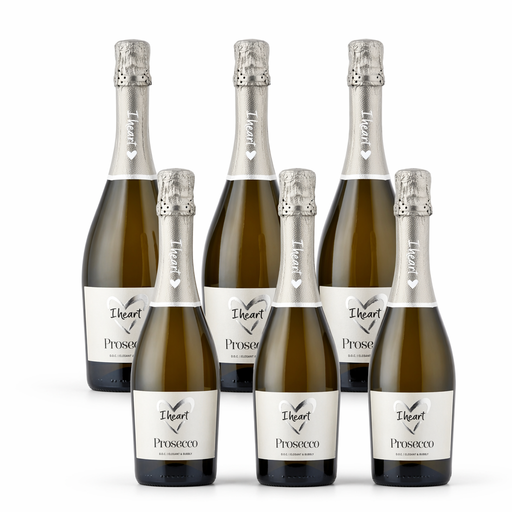
Why This Fits Their Persona: A familiar 75cl sparkling format suits shoppers building a straightforward home stock for casual dinners, light snacks and informal gatherings.
The 75cl format makes case-volume comparisons clearer than miniature bottles, while the stated 10.5% ABV helps set serving expectations.
Italian origin, 75cl bottles and a sparkling style suited to aperitifs and light dishes.
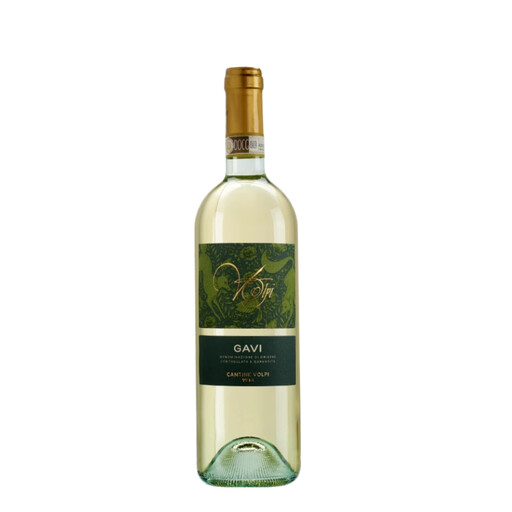
Why This Fits Their Persona: Suitable for buyers who prioritise a named appellation, a defined grape variety and a white wine for seafood-led meals or formal hosting.
The product information identifies Cortese grapes, Gavi DOCG origin, 12.5% ABV and a recommended 8–10°C serving temperature.
100% Cortese, vegetarian and vegan suitable according to the listing, with stainless-steel fermentation.
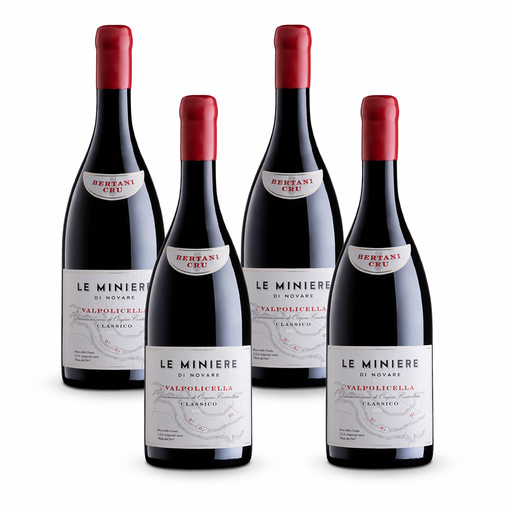
Why This Fits Their Persona: A practical red-wine case for hosts and households that regularly serve pasta with ragù, roasted meat or mature cheese.
The listing provides the grape blend, DOC classification, 12% ABV and food-pairing guidance rather than relying only on broad tasting language.
Made with Corvina Veronese, Corvinone and Rondinella; listed as suitable for vegetarians and vegans.
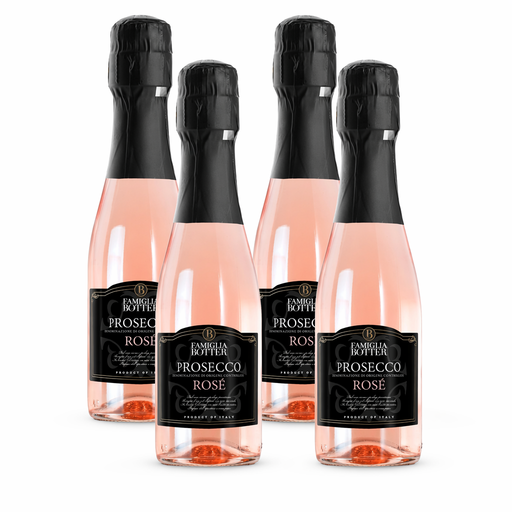
Why This Fits Their Persona: The smaller format is convenient for receptions, individual servings and occasions where opening several full bottles may create waste.
The 200ml capacity is clearly stated, so shoppers can compare total volume honestly rather than assuming it equals a standard bottle case.
Prosecco DOC Rosé style, 11% ABV and a serving format suited to controlled portions.
We have compiled a complete, real-time list of products that fully satisfy these strict selection criteria and UK safety regulations.
They can offer a lower price per bottle, but this depends on the case size, promotion, delivery cost and whether every bottle will be used. Compare the total volume and price per 75cl equivalent before ordering. A mixed wine case may also reduce waste if it includes several styles you already serve.
Choose according to the menu rather than the country alone. Italian white wine such as Pecorino, Gavi or Soave can suit seafood, salads and light pasta. Italian red wine such as Valpolicella or Primitivo is generally more suitable for richer sauces, roasted meats and hard cheeses. Italian sparkling wine works well as an aperitif and with lighter starters.