
24/7 Customer Support

Free returns

Same-day & Next-day Delivery

Quality Guaranteed

Unlock Your Welcome Offers: FREE Delivery | Up to 80% OFF | Free 30-day JoyPlus trial
Download the APP
Buying Italian wine online gives UK shoppers access to regional grapes, DOC and DOCG appellations, mixed cases and convenient delivery. However, attractive labels and lengthy tasting notes do not always make a bottle suitable for your table. The right choice depends on style, provenance, serving occasion, alcohol content and how quickly you plan to drink it.
This guide explains the details worth checking before ordering, then matches a selection of bottles to different shopping profiles.
A grape variety does not describe the entire drinking experience. Pinot Grigio, for example, can produce a light, uncomplicated white or a more textured wine from a higher-altitude region. Likewise, Italian red wine made from Corvina may be fresh and light in a Valpolicella, or richer and more concentrated when produced using the appassimento method.
Check the region, appellation, winemaking style and serving suggestion, rather than relying on the grape name alone.
DOC Italian wine and DOCG Italian wine indicate regulated geographical and production standards. They can help confirm origin and production rules, but they do not tell you whether a wine is dry, full-bodied, sweet, acidic or suitable for a particular meal.
For example, Gavi DOCG is generally associated with dry white wine made from Cortese, while Chianti Rufina DOCG is a structured red style commonly based on Sangiovese. Both may be well-labelled choices, yet they suit different palates and dishes.
A case deal can reduce the cost per bottle, but only if you have enough storage and genuinely enjoy that style. Vintage-sensitive whites and sparkling wines are usually intended for relatively fresh drinking, while some structured reds may benefit from careful cellaring.
Alcohol percentage also matters. A 750ml bottle at around 13–14.5% ABV contains considerably more alcohol than one at 11%. UK shoppers should check the label, serving size and total units before buying, particularly when ordering Italian wine cases for entertaining.
Look for a clearly stated country and region, such as Veneto, Alto Adige, Tuscany, Piedmont, Umbria or Puglia. Appellation terms can provide useful context:
These terms are useful buying signals, but style remains just as important as classification.
Match the grape or blend to the occasion:
Descriptions should be treated as guidance rather than a promise. Look for practical information such as sweetness, body, acidity, oak ageing and suggested serving temperature.
Check alcohol by volume, bottle size and UK alcohol units. Product pages should also identify sulphites, a regulated allergen commonly present in wine. If you are looking for vegan Italian wine, verify the product information carefully: many wines are suitable for vegans, but some use animal-derived fining agents.
Storage and serving instructions are also relevant. Chill most Italian white wine and Prosecco before serving. Store red wine away from sunlight and heat, then serve according to the product guidance rather than assuming every red should be served warm.
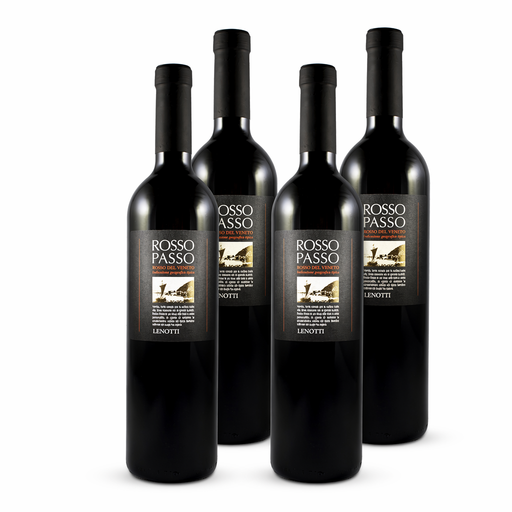
Why This Fits Their Persona: A case format suits shoppers building a home wine supply, hosting casual meals or looking for a straightforward Veneto red for regular occasions.
The case quantity is visible before purchase, helping avoid confusing a single-bottle listing with a multi-bottle deal.
Veneto origin, 75cl bottles, approximately 12.5% ABV and a vegetarian- and vegan-suitable listing.
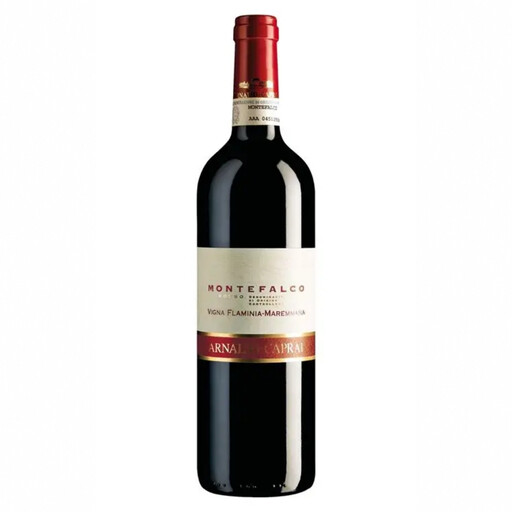
Why This Fits Their Persona: A structured Umbrian red for shoppers who want regional identity, oak influence and a wine suitable for a substantial dinner or considered gift.
The listing identifies the Montefalco Rosso DOC blend, grape composition, 14.5% ABV and one year of oak ageing.
DOC designation, Sangiovese-led blend with Sagrantino and Merlot, and vegan suitability stated in the product information.
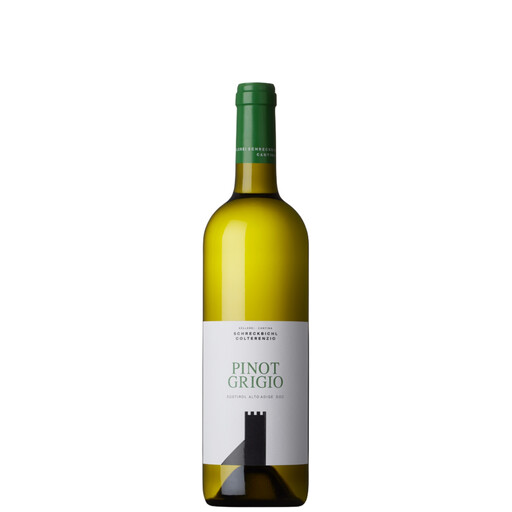
Why This Fits Their Persona: A chilled Alto Adige white suits seafood, light pasta, soft cheese, aperitif occasions and UK summer gatherings.
The product information specifies 100% Pinot Grigio, Alto Adige DOC origin, stainless-steel fermentation and a recommended serving temperature.
13% ABV, vegan suitability stated, and a fresh profile described with pear, citrus and mineral notes.

Why This Fits Their Persona: Prosecco is a practical option for birthdays, dinner parties, gifting and pre-meal drinks where a chilled Italian sparkling wine is required.
The listing states Prosecco DOC Treviso, Brut style, 100% Glera and 11% ABV, making the specification easy to verify.
75cl bottle, vegan suitability stated and a recommended serving temperature of 6–8°C.
We have compiled a complete, real-time list of products that fully satisfy these strict selection criteria and UK safety regulations.
Yes, provided you check the recipient’s preferences and the presentation. Prosecco suits celebrations, while a DOC or DOCG red can be more appropriate for someone interested in regional wines. Check delivery timing, bottle size, vintage and allergen information before ordering.
Keep unopened bottles in a cool, dark and stable environment, away from radiators, direct sunlight and vibration. Sparkling wine should be chilled shortly before serving. Once opened, reseal still wine and refrigerate it where appropriate; drink it within the product’s recommended period to retain its intended character.
They can offer a lower unit price, but compare the total cost, bottle count and delivery terms. A case is most practical when the style matches your regular meals or planned events. For variety, consider a mixed selection of Italian red wine, Italian white wine and Italian sparkling wine rather than buying a large quantity of one unfamiliar bottle.
All alcoholic products are for adults aged 18 and over. Check identification requirements at delivery, follow the product label and drink responsibly.