
24/7 Customer Support

Free returns

Same-day & Next-day Delivery

Quality Guaranteed

Unlock Your Welcome Offers: FREE Delivery | Up to 80% OFF | Free 30-day JoyPlus trial
Download the APP
Jackfruit can be a versatile addition to a UK kitchen, but choosing the wrong format can leave you with a product that does not suit your recipe. The difference between young green jackfruit, ripe yellow fruit, jackfruit in brine and jackfruit in syrup is significant.
Before adding a tin, pouch or frozen pack to your basket, consider how you intend to use it. A product suited to pulled jackfruit will not necessarily work well in a smoothie, while sweet jackfruit in syrup may be unsuitable for a savoury curry without careful preparation.
Young green jackfruit has a mild flavour and fibrous texture. It is commonly used as a jackfruit meat substitute in tacos, sandwiches, curries and stir-fries. It generally needs draining, shredding and cooking with seasoning.
Ripe yellow jackfruit is softer and naturally sweet. It is more suitable for desserts, fruit salads, yoghurt, ice cream toppings and smoothies. It is not a direct replacement for a savoury pulled-meat recipe.
Tinned jackfruit may be packed in brine, water or syrup, but the preparation instructions vary. Some young green products are specifically marked “cooking required”. Eating them straight from the tin may produce a bland or overly firm result.
Check whether the contents need to be drained and rinsed. Brine can add salt to a dish, while syrup contributes sugar and a sweet flavour. After opening, transfer unused fruit to a suitable covered container and refrigerate according to the packaging instructions.
Marketing language such as “meat-like” or “tropical” does not tell you enough about the product. The useful information is found in the ingredient list, drained content, storage guidance and allergen declaration.
For example, a jackfruit snack may contain only fruit, while jackfruit chips can include oil and allergens such as soybean. Always read the current packaging, particularly if you are shopping for someone with food allergies or intolerances.
The fruit percentage can differ between products. Some tinned options list around 40–60% jackfruit alongside water, salt, sugar or acidity regulators. A shorter ingredient list may be preferable if you want a simple cooking base, but the intended use matters more than marketing impressions.
For allergen-conscious shoppers, compare the allergen statement with your own requirements. Kooky Freeze Dried Jackfruit lists 100% jackfruit and states that it is free from the 14 major allergens. Longdan Jackfruit Chip lists soybean oil and declares soybean as an allergen. Packaging remains the final reference if ingredients or manufacturing arrangements change.
A 400g–565g tin can suit family meals or batch cooking, but opened contents usually need refrigeration and prompt consumption. A 12g freeze-dried pouch is more suitable for a packed lunch, commute or portion-controlled snack.
Frozen pulp requires storage at -18°C or below, while ambient tins and dry snacks should be kept in a cool, dry place. Check the best-before or use-by information before purchasing several packs.
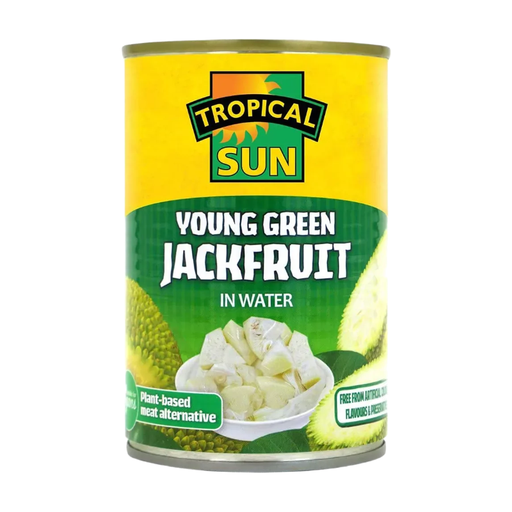
Why This Fits Their Persona: A manageable tin for first-time plant-based cooks who want to try pulled jackfruit, tacos or a curry without committing to a larger pack.
It is young green jackfruit in water rather than syrup, helping avoid an unexpectedly sweet result in savoury recipes. It requires draining, rinsing and cooking.
Contains young green jackfruit, water and citric acid; the listed nutrition is 30 kcal and 6g fibre per 100g.
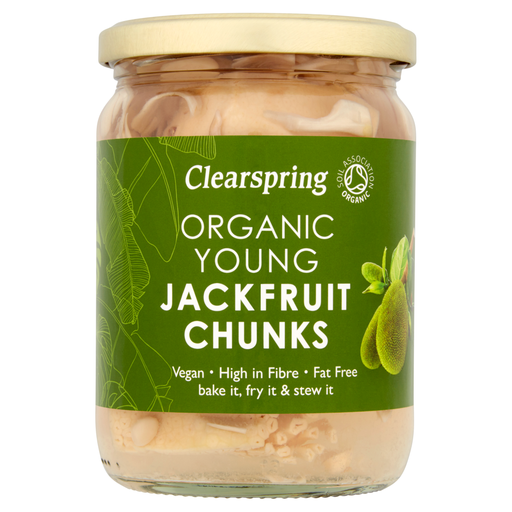
Why This Fits Their Persona: A larger format for cooks who value an organic ingredient listing and regularly prepare curries, teriyaki dishes or batch meals.
The product description clearly identifies young jackfruit chunks and provides opening and refrigeration guidance, rather than presenting it as a ready-to-eat meat replacement.
Made with young jackfruit, water, sea salt and lime juice; the product information lists organically grown ingredients marked with an asterisk.

Why This Fits Their Persona: A practical larger tin for frequent vegan cooks preparing pulled jackfruit sandwiches, tacos, stews and curries for several portions.
The usage instructions state that it must be drained, rinsed and cooked, so shoppers can plan preparation rather than treating it as a finished meal.
Lists 60% young green jackfruit and provides a specific pulled-jackfruit method using seasoning or BBQ sauce.
We have compiled a complete, real-time list of products that fully satisfy these strict selection criteria and UK safety regulations.
For a portable snack, compare freeze-dried jackfruit with jackfruit chips. Kooky Freeze Dried Jackfruit is supplied in a 12g pouch and lists no added sugar or preservatives in its product information. It is described as a crisp snack for eating directly or adding to yoghurt and porridge. The product also carries a choking warning for children under four.
For dessert recipes, choose yellow fruit in syrup or frozen jackfruit pulp. Syrup-packed fruit works in fruit salads, smoothies, cakes and ice cream toppings, while frozen pulp can be defrosted and served or blended. Remember that syrup-packed products contain added sugar, so review the nutrition panel if this matters to your recipe.
Young green jackfruit is the usual choice because its fibrous pieces can be shredded with a fork and cooked in sauce. Drain and rinse tinned fruit, remove any firm central pieces if needed, then simmer it with spices, stock or BBQ sauce until the texture suits your dish.
Follow the individual label, but several products advise transferring the contents to a non-metallic covered container, refrigerating and consuming within two days. Do not use a tin that is bloated, badly dented or damaged, and inspect the contents before cooking.
It can be used creatively, but its added sugar and sweet flavour make it more suitable for desserts, smoothies and fruit-based dishes. For curries, tacos or pulled jackfruit, choose young green jackfruit in water or brine instead.