
24/7 Customer Support

Free returns

Same-day & Next-day Delivery

Quality Guaranteed

Unlock Your Welcome Offers: FREE Delivery | Up to 80% OFF | Free 30-day JoyPlus trial
Download the APP
Choosing between fruit jam, orange marmalade, lemon curd, cranberry sauce and savoury chutney can be more complicated than it first appears. Jar size, fruit content, sugar levels, allergens and storage instructions all affect whether a product suits your household.
This guide from the Joybuy Product Recommendation Officer breaks down the practical details worth checking before you buy, with options for breakfast, baking, entertaining and everyday meals.
A jar may highlight strawberries, blueberries, oranges or mangoes on the front, but the ingredients list shows the proportions in descending order by weight. A fruit conserve can still contain a substantial amount of sugar.
For example, Bonne Maman Wild Blueberry Conserve lists 50g of blueberries per 100g and 60g of total sugar per 100g. Bonne Maman Apricot Conserve also lists 50g of fruit per 100g, while Frank Cooper’s Original Oxford Marmalade contains 40g of fruit per 100g.
These figures are not a quality judgement, but they help you compare products fairly rather than relying on front-of-pack imagery.
Traditional breakfast spreads work well on toast, porridge and pancakes, but not every jar is suitable for savoury cooking. Cranberry sauce can accompany turkey and cheese, while mango chutney works with curry, cold meats and mature cheeses. A sweet chilli jam may suit burgers or halloumi, but its heat level can make it unsuitable for younger diners or anyone avoiding spicy food.
Consider how often you will use the jar before choosing a larger size. A 720g Biscoff spread may suit regular family baking, whereas a 128g chilli jam may be more practical for occasional grazing boards.
Recipes can include less obvious allergens. Lemon curd commonly contains egg, while kaya spreads may contain egg and wheat. Chutneys and chilli jams can contain sulphites through ingredients such as wine vinegar.
Always read the current packaging before consumption, particularly if you have an allergy or intolerance. Storage also matters: many products need refrigeration after opening and should be consumed within a stated period.
For fruit jam and fruit conserve, check the percentage of named fruit per 100g. Higher fruit content does not automatically mean a product will taste sweeter, sharper or more textured, but it gives you a useful comparison point.
For marmalade, look for the type of orange and peel style. Fine shred offers narrow strips of peel, while products made with Seville oranges may provide a more bitter citrus profile. Robertson’s Golden Shred lists 20g of fruit per 100g, whereas Frank Cooper’s Original Oxford Marmalade lists 40g.
For chutney, check the main ingredient and the balance of vinegar, sugar and spices. Hawkshead Relish Mango Chutney contains 51% mango, with lemon, lime, chilli, cardamom and other spices.
Use the per 100g nutrition panel when comparing jars, as serving sizes vary. Sweet spreads commonly contain considerable carbohydrate and sugars, while chutneys can contain more salt due to pickling ingredients.
As examples:
These figures are useful when deciding portion sizes and how frequently a product fits into your meals.
A larger jar can offer more servings, but only if you will use it before its post-opening storage period ends. Smaller speciality jars are often sensible for strong flavours such as Carolina Reaper or Scotch Bonnet chilli jam.
For everyday toast toppings, 370g or 454g jars provide a familiar cupboard size. For occasional cheese accompaniments or entertaining, 128g to 260g jars may reduce waste and allow you to serve several flavours.
The following selection is organised by shopping profile rather than a single ranking. Check the product page and packaging for current availability, dates and label information.

Why This Fits Their Persona: A familiar 370g format suits households wanting a flexible breakfast spread for toast, yoghurt, pancakes and baking without committing to a very large jar.
The listing states 50g of apricots per 100g and provides a clear 59g sugar value per 100g, making comparison easier.
370g jar; no allergens listed; suitable for toast, yoghurt and baking.
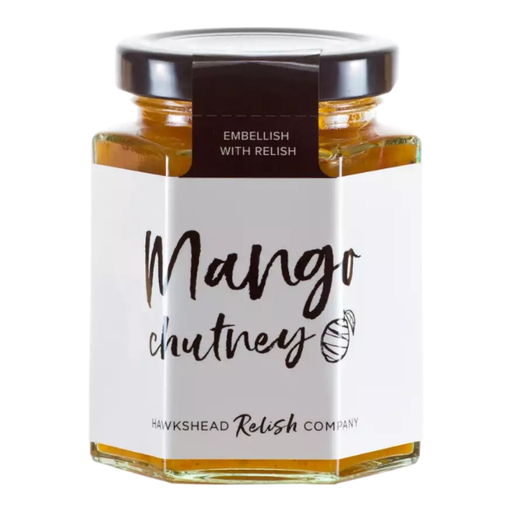
Why This Fits Their Persona: Suits shoppers looking for a more layered condiment for curry nights, cheese boards and cold meat sandwiches.
The ingredients identify mangoes at 51%, alongside named citrus, spices and chilli rather than relying only on vague flavour wording.
200g serving size; no allergenic ingredients listed; 24g sugar per 100g.
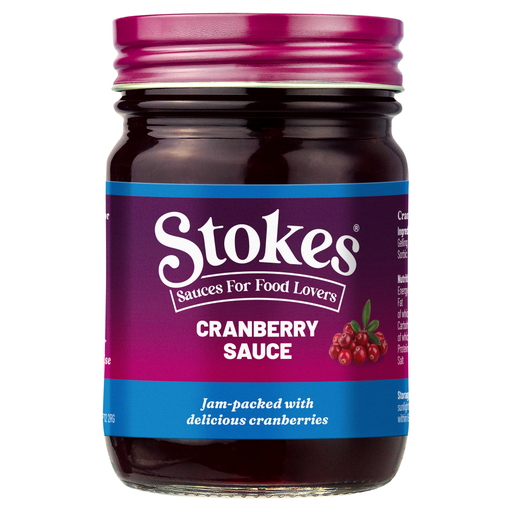
Why This Fits Their Persona: A practical choice for Sunday roasts, festive turkey, gravy, cheese and sandwiches when one jar needs several savoury uses.
Its listing states 42% cranberries and gives explicit refrigeration and six-week post-opening guidance.
260g jar; no allergens listed; suitable for turkey, cheese and gravy.

Why This Fits Their Persona: Designed for small servings with cheese, meat, burgers or sharing platters where a sweet, smoky and spicy topping is wanted.
The jar states 2.9% smoked Scotch Bonnet chillies, 16.5% mango and sulphites in the vinegar, helping buyers assess flavour and allergens.
128g jar; mango and smoked chilli combination; refrigeration required after opening.
We have compiled a complete, real-time list of products that fully satisfy these strict selection criteria and UK safety regulations.
It depends on the product. Many fruit preserves and marmalades advise refrigeration and use within around three to six weeks. Chilli jams and chutneys may specify a shorter period, often within a few weeks or one month. Follow the current jar instructions rather than relying on a general rule.
Before opening, many sealed jars can be stored in a cool, dry cupboard. After opening, refrigeration is commonly required. Keep the lid tightly closed and use a clean utensil to reduce contamination.
Jam is generally a sweet fruit spread set with pectin. A conserve may contain visible or higher proportions of fruit, although recipes differ. Chutney usually combines fruit or vegetables with vinegar, sugar, salt and spices, giving it a sweet-and-savoury profile suited to cheese, meat and cooked dishes.