
24/7 Customer Support

Free returns

Same-day & Next-day Delivery

Quality Guaranteed

Unlock Your Welcome Offers: FREE Delivery | Up to 80% OFF | Free 30-day JoyPlus trial
Download the APP
A dollop of rich, fruity jam on warm toast or a swirl of a sweet spread in your morning porridge is one of life's simple pleasures. Yet, the supermarket aisle and online stores are crowded with jars that promise much but often deliver little more than sugar. Navigating the world of jams and spreads can feel like a sticky business, with confusing labels and marketing hype making it difficult to find true quality.
As a Joybuy Product Recommendation Officer, my role is to help you see past the glossy labels. Many shoppers find themselves disappointed by spreads that taste artificial or are texturally underwhelming. This often comes down to a few common purchasing pitfalls:
By understanding a few key details, you can confidently buy jam online and ensure your pantry is stocked with spreads that deliver on taste and quality.
Before adding a jar to your basket, a quick look at the label can tell you everything you need to know. Here are the non-negotiable factors to check to ensure you're getting a quality product.
In the UK, regulations require that the label states how much fruit was used to make the final product. Look for the phrase: "Prepared with Xg of fruit per 100g". This is the single most reliable indicator of quality.
A higher fruit content means less room for added sugar and a taste that is truer to the fruit itself.
Ingredients on a food label are always listed in descending order by weight. This is a simple but powerful tool for assessing a product's composition. For a high-quality fruit conserve, you want to see the fruit (e.g., strawberries, apricots and raspberries) listed as the very first ingredient. If sugar, glucose syrup or another sweetener is at the top of the list, you are primarily paying for sugar, not fruit. This is a key differentiator between premium gourmet preserves and mass-market sweet spreads.
While marketing can be loose, these terms traditionally have distinct meanings that can guide your choice:
To help you find the right spread for your household, we've matched some excellent options to different needs and tastes.
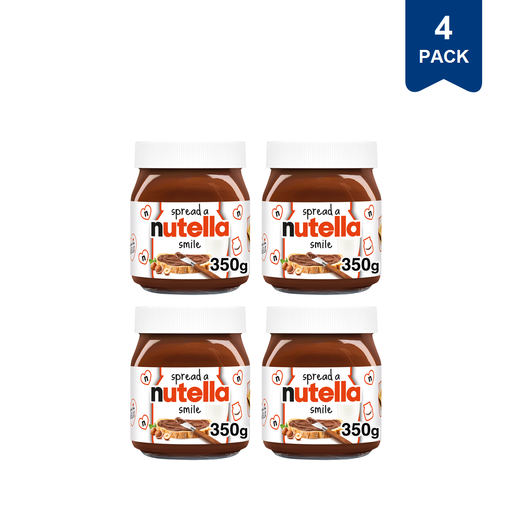
Why This Fits Their Persona: A reliable and popular choice for quick family breakfasts and after-school snacks. This multi-pack is ideal for stocking the pantry, ensuring you don't run out of a household favourite. It's a versatile chocolate hazelnut spread for toast, pancakes and crumpets.
This spread avoids the "fruit-flavoured" illusion by being exactly what it claims to be. Its identity is clear and upfront, so there's no confusion about what you're getting—a rich, sweet hazelnut and cocoa spread.
Unmistakable, consistent flavour that is popular with all ages. The 4-pack format offers good value and convenience for busy households.
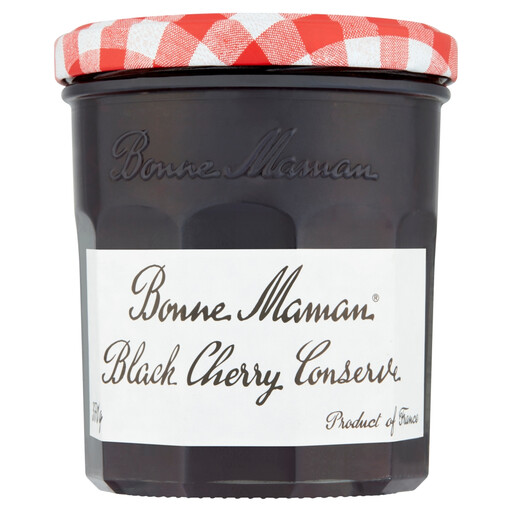
Why This Fits Their Persona: For those who appreciate a richer, more authentic fruit taste on their morning sourdough, in yoghurt or as a quality ingredient for home baking. This is a classic choice for anyone seeking high-quality gourmet preserves.
It directly counters the low-fruit-content trap by clearly stating it is "Prepared with 50g of cherries per 100g". Black cherries are the first ingredient, not sugar, ensuring an authentic flavour profile.
High fruit content (50%) with whole or large pieces of black cherry for a deep, satisfying flavour and texture. Made with a simple recipe and no artificial additives.
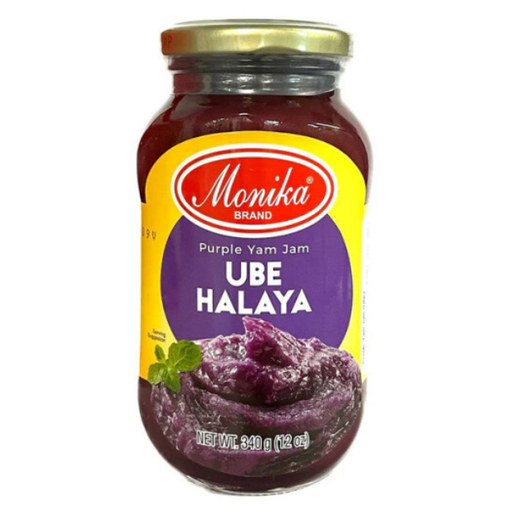
Why This Fits Their Persona: Perfect for someone looking to explore global flavours beyond traditional breakfast spreads. This Filipino-inspired jam offers a unique, mildly nutty and sweet flavour, ideal for creative desserts, colourful toast or as a filling for pastries.
This product sidesteps the "standard flavour" trap entirely by offering a unique taste profile. The ingredients are straightforward, with a high content of purple yam (45%) listed as the primary component.
A distinctive, sweet, and earthy ube flavour with a vibrant natural purple colour. It is highly versatile for both spreading and as a unique jam for baking.
We have compiled a complete, real-time list of products that fully satisfy these strict selection criteria and UK safety regulations.
The main difference lies in the fruit used and its preparation. Jam is typically made from crushed or puréed fruit. Conserve uses whole or large chunks of fruit, giving it a more textured consistency. Marmalade is a citrus-based preserve that must include peel (shred) from the fruit, which gives it a characteristic bitter note.
Once opened, all jams, conserves and marmalades should be stored in the refrigerator with the lid tightly sealed. This prevents spoilage and helps maintain the quality of the product. Most will last for several weeks after opening, but always check the label for the manufacturer's specific recommendation.
While most jams can be used in baking, some are better suited than others. For fillings in tarts or cookies, a jam with a firm set (often containing pectin as a gelling agent) is preferable as it will hold its shape when heated. Conserves with large fruit pieces are excellent for swirling into cake batters or as a topping, adding both flavour and texture. Always consider the sugar content of the jam and adjust your recipe's sugar accordingly.