
24/7 Customer Support

Free returns

Same-day & Next-day Delivery

Quality Guaranteed

Unlock Your Welcome Offers: FREE Delivery | Up to 80% OFF | Free 30-day JoyPlus trial
Download the APP
A jar of jams and spreads can look like a simple cupboard purchase, but the wrong choice may leave you with a flavour nobody enjoys, an unsuitable texture or a product that needs using quickly after opening. UK shoppers are also faced with broad claims such as “natural”, “premium” and “no artificial ingredients”, which do not always tell you how the spread will perform on toast or in cooking.
This guide explains the practical details worth checking before you buy, from fruit content and allergens to jar size, storage and intended use.
Words such as “fruity”, “creamy” or “rich” describe the eating experience, but they do not show how much of the named ingredient is present. A fruit conserve may list fruit prominently, while another fruit jam may contain a smaller proportion alongside sugar, syrups, flavourings or colourings.
For a clearer comparison, check the ingredients list and any quantitative ingredient declaration. For example, Bonne Maman Wild Blueberry Conserve states that it contains 50g of blueberries per 100g, while Bonne Maman Apricot and Peach Conserves also state 50g of the named fruit per 100g.
Large packs can be useful for families, frequent toast eaters or baking, but they may take longer to finish once opened. Smaller jars are practical for trying an unfamiliar flavour, preparing a gift hamper or avoiding cupboard clutter.
Consider whether you need a 170g or 200g jar for occasional use, a standard 285g–411g size for regular breakfasts or a larger 720g jar for repeated use in baking and desserts.
Sweet spreads can contain milk, nuts, soya, egg or wheat, even when the product looks similar to a conventional jam. Chocolate hazelnut spread commonly contains hazelnuts, milk and soya. Kaya may contain egg and wheat, while biscuit spreads generally contain wheat and soya.
Storage also varies. Some products remain at room temperature before opening but require refrigeration afterwards. Always check the product label, seal and best-before information rather than relying only on the front of the jar.
A fruit jam or fruit conserve is suited to toast, scones, yoghurt, pancakes and baking. Conserves often retain a more noticeable fruit character or pieces, although texture varies by recipe. Marmalade is made with citrus fruit and may include peel, such as the fine shred in Bonne Maman Bitter Orange Marmalade.
For a sharper citrus flavour, lemon curd is a different option, usually made with lemon juice and egg. It works well in tarts, cakes and dessert fillings but needs closer attention to storage after opening.
Choose the texture according to how you plan to serve it:
Nutrition panels allow a fairer comparison between products. Many sweet spreads contain substantial sugar per 100g, so compare the serving guidance as well as the full nutrition table. Nutella Hazelnut Spread 350g lists 56.3g of sugars per 100g, while Lotus Biscoff Smooth Spread lists 36.8g.
This does not make one product automatically suitable for every shopper. Instead, it shows why checking the label matters, particularly when a spread will be used frequently or added to several recipes.

Why This Fits Their Persona: The 200g jar offers a manageable way to try a familiar chocolate hazelnut spread without committing to a larger pack. It suits toast, pancakes, fruit and occasional baking.
The smaller format limits waste when testing a sweet spread, while the listed allergens and nutrition information make comparison more straightforward.
200g net quantity; smooth texture; contains 13% hazelnuts and 7.4% fat-reduced cocoa.
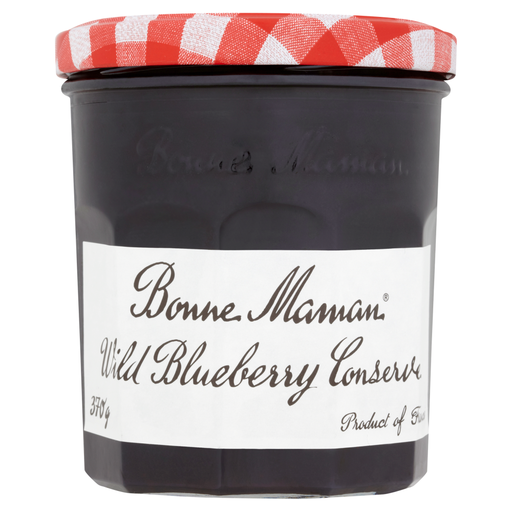
Why This Fits Their Persona: A fruit-led choice for shoppers who want a preserve for breakfast, afternoon tea and baking, with a stated blueberry quantity for easier product comparison.
The declared 50g of blueberries per 100g helps distinguish it from products that rely mainly on flavour descriptions.
370g jar; no listed allergens; suitable for toast, baking and afternoon tea.
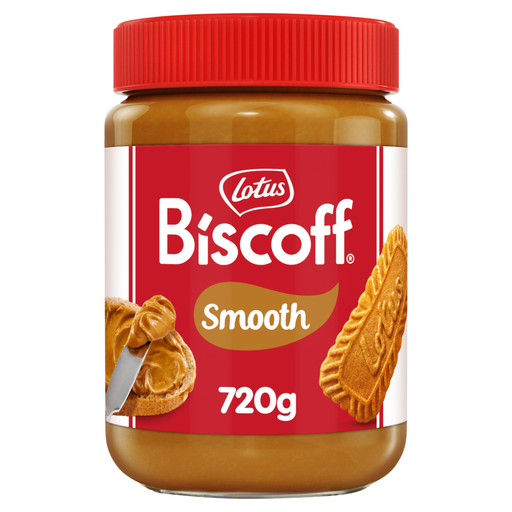
Why This Fits Their Persona: The large jar is suited to households that regularly use spreads for toast, porridge, pancakes, sandwiches and baking.
Its stated storage range of 17°C to 23°C helps buyers plan cupboard space and avoid storing it in unsuitable conditions.
720g quantity; smooth biscuit-based texture; suitable for vegans and contains wheat and soya.
For a distinctive breakfast, Happy Pandan Coconut Spread Kaya 410g provides a coconut, egg and pandan-based option from Malaysia. It is designed for toast, buns, pancakes and Asian desserts, but contains egg and wheat.
For savoury pairings, Welshhomestead Smokery Scotch Bonnet & Mango Smoked Chilli Jam 128g combines mango with smoked Scotch bonnet chillies. It is intended for cheese, meats and other cooked dishes, and contains sulphites. Shoppers seeking a hotter option can consider the Carolina Reaper version, listed with a 4/4 chilli rating.
We have compiled a complete, real-time list of products that fully satisfy these strict selection criteria and UK safety regulations.
Smooth chocolate hazelnut spread, fruit jam, lemon curd, kaya and smooth biscuit spread can all be used as pancake toppings. Choose based on flavour and check allergens before serving.
Many fruit jams and conserves should be refrigerated after opening, including the Bonne Maman examples listed above. However, instructions differ between products, so follow the storage information on the jar.
A larger jar may offer more product per purchase, but value depends on price, consumption and how quickly it will be used. Compare the price per 100g, then consider whether the spread will remain fresh and appealing throughout its storage period.