
24/7 Customer Support

Free returns

Same-day & Next-day Delivery

Quality Guaranteed

Unlock Your Welcome Offers: FREE Delivery | Up to 80% OFF | Free 30-day JoyPlus trial
Download the APP
From the classic strawberry jam on morning toast to a rich nut butter fuelling a workout, jams and spreads are essential pantry staples in any UK household. Yet, the sheer variety can be overwhelming. Navigating labels that promise "natural goodness" or "authentic flavour" can often lead to disappointment and wasted money. This guide is designed to help you look past the marketing and focus on what truly matters, ensuring you choose the right product for your needs.
As a Joybuy Product Recommendation Officer, my role is to filter market information and provide practical shopping advice. Let's look at the common pitfalls to avoid.
Stocking your pantry should be straightforward, but a few common issues can catch even savvy shoppers off guard.
To make a confident choice, focus on these three non-negotiable details on the product label.
This is the most reliable indicator of quality. For fruit preserves and jams, a higher fruit percentage generally means a more authentic flavour and less reliance on added sugar and flavourings. For example, a jam with 45% fruit content will offer a very different experience from one with only 25%. Similarly, for a nut butter, the percentage of nuts is paramount. A high-quality peanut or sesame butter should list the nuts as the first and primary ingredient.
To compare different products fairly, always use the "per 100g" column on the nutritional information table. This standardises the comparison, allowing you to accurately assess levels of sugar, protein, fat and salt. This is particularly useful for health-conscious individuals looking for high-protein options or families wanting to manage sugar intake in breakfast foods and lunchbox snacks.
This is a critical check, especially for households with allergies or specific dietary needs. Always read the "Allergens" section, which is often highlighted in bold. Pay attention to "may contain" warnings, which indicate potential cross-contamination. For those seeking specific options like gluten-free dessert sauces or nut-free chocolate spread alternatives, this section provides the definitive answer.
Instead of a one-size-fits-all approach, we've matched some standout products to the people they are most suited for.

Why This Fits Their Persona: This is not your typical toast-topper. It's an authentic savoury spread essential for anyone exploring Asian cuisine. Its rich, nutty profile is the foundation for traditional Chinese hot pot dipping sauces and cold noodle dressings, offering a flavour that generic peanut butter cannot replicate.
It avoids the flavour-reality gap by being exactly what it claims: a traditional blended sauce with a simple, pure ingredient list of just sesame and peanuts. There are no hidden sugars or additives to dilute its authentic purpose.
High in protein (23g per 100g) and versatile for both savoury cooking and as a spread. It provides an authentic base for numerous Asian dishes.
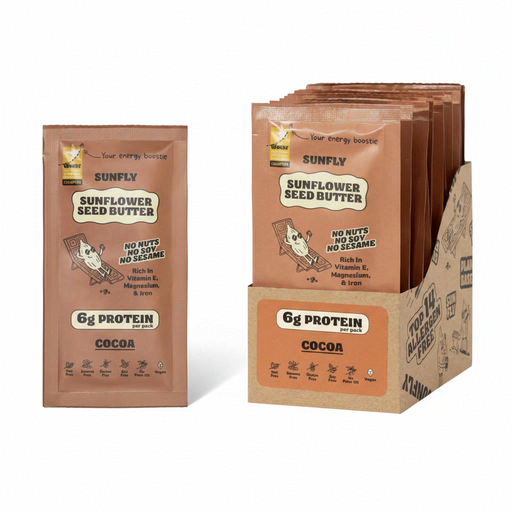
Why This Fits Their Persona: This is an excellent choice for anyone seeking a nut-free, high-protein chocolate spread alternative. The individual 32g sachets are perfect for portion control, travel or adding to a gym bag for a post-workout snack. It's plant-based and free from palm oil and dairy.
It directly counters the "healthy option" illusion. The nutritional information is clear, showing significantly less sugar than many mainstream chocolate spreads, and it is produced in a dedicated facility to eliminate nut cross-contamination risks.
Completely nut-free, making it suitable for schools with allergy policies. Each sachet provides 6.1g of plant protein for a convenient, on-the-go energy boost.

Why This Fits Their Persona: For parents packing lunchboxes or needing a quick, mess-free snack, these bars are ideal. They deliver the familiar taste of hazelnut cocoa spread within a crisp biscuit shell, eliminating the need for knives and avoiding sticky fingers. The individual packaging makes them perfect for on-the-go moments.
It solves the practicality problem of using jarred spreads for out-of-home consumption. While it is an indulgent treat, its portion-controlled format helps manage consumption, avoiding the trap of over-serving from a large jar.
Extremely convenient and mess-free. The combination of a crunchy biscuit and smooth filling offers a satisfying texture that appeals to both children and adults.
We have compiled a complete, real-time list of products that fully satisfy these strict selection criteria and UK safety regulations.
Most fruit-based jams, preserves and dessert sauces should be refrigerated after opening to maintain freshness and prevent spoilage. The label will typically state "refrigerate after opening." Nut butters and seed butters can often be stored in a cool, dark pantry, but check the label; natural varieties with oil separation may benefit from refrigeration to slow this process.
While often used interchangeably, there are differences. Jelly is made from fruit juice and is smooth and clear. Jam is made from crushed or puréed fruit, so it contains fruit pulp but is generally smooth enough to spread easily. Preserves have the most texture, containing whole fruit or large pieces of fruit in a syrup or jam.
Yes, certain nut-free spreads can be an excellent source of protein. For instance, sunflower seed butter is a popular choice, with products like the SUNFLY butter mentioned above containing around 19g of protein per 100g. This makes it a strong contender against many traditional peanut butters and a great option for those with nut allergies looking for a protein boost.