
24/7 Customer Support

Free returns

Same-day & Next-day Delivery

Quality Guaranteed

Unlock Your Welcome Offers: FREE Delivery | Up to 80% OFF | Free 30-day JoyPlus trial
Download the APP
Choosing between fruit jam, marmalade, chocolate spread, chilli jam and cooking sauces can be more complicated than it appears. Attractive packaging may not tell you how much fruit is inside, whether a jar suits your dietary needs or how it should be stored after opening.
For UK households, the most useful approach is to compare the label, intended use and serving size before adding a product to your basket.
Words such as “fruity”, “traditional” or “homemade style” do not always indicate how much fruit a jar contains. Check the quantitative ingredient declaration, such as “prepared with 50g of fruit per 100g”. This gives a clearer point of comparison between strawberry jam, apricot conserve and blueberry jam.
Fruit preserves and sweet spreads commonly contain considerable sugar. For example, several Bonne Maman conserves list 59–60g of sugar per 100g, while Nutella Hazelnut Spread lists 56.3g per 100g. Cooking sauces can also be high in salt: Lee Kum Kee Char Siu Sauce lists 11.1g of salt per 100g.
These figures do not automatically make a product unsuitable, but they are important when comparing everyday breakfast spreads, baking ingredients and sauces used in larger quantities.
A product can look suitable for a particular household until the allergen panel is checked. Hazelnut spreads may contain hazelnuts, milk and soya; kaya commonly contains egg and wheat; Asian sauces may contain soya, wheat, sesame or sulphites.
Storage is equally important. Many opened jams and conserves need refrigeration, while hazelnut spreads are generally kept at room temperature. Always follow the product label, particularly after opening.
A fruit conserve usually helps shoppers identify the fruit quantity more clearly than general flavour-led wording. Bonne Maman Apricot Conserve and Peach Conserve each state that they contain 50g of fruit per 100g. Bonne Maman Black Cherry Conserve also lists 50g of cherries per 100g, making it suitable for toast, pancakes, jam tarts and baking.
For a sharper citrus flavour, marmalade is made with oranges rather than berries or stone fruit. Frank Cooper’s Original Oxford Marmalade 454g is prepared with 40g of fruit per 100g and uses Seville oranges. Fine-shred varieties, such as Bonne Maman Bitter Orange Fine Shred Marmalade, may be more suitable if you prefer visible citrus peel.
Compare products using the nutrition panel rather than the front of the jar. A 15g serving of Nutella Hazelnut Spread provides 80 kcal, while a 20g serving of Shezan Strawberry Jam provides 55 kcal according to the supplied product information.
Serving size also affects how you use a product. A thin layer on toast, a spoonful in yoghurt or a glaze applied during cooking can produce different overall intakes. For family cupboards, checking the jar size against normal household use may help reduce waste.
Look for clearly listed allergens and suitability statements. Shezan Strawberry Jam is described as suitable for vegetarians, but its ingredients include E-202 preservative and E-122 food colour, which carries a UK labelling warning regarding activity and attention in children. Always check the current packaging, as formulations and labels can change.
For plant-based shoppers, do not assume every spread is vegan. Kaya contains egg, while chocolate-hazelnut spreads may contain skimmed milk powder. Chilli jams can contain sulphites through vinegar, even where they are otherwise suitable for vegan diets.
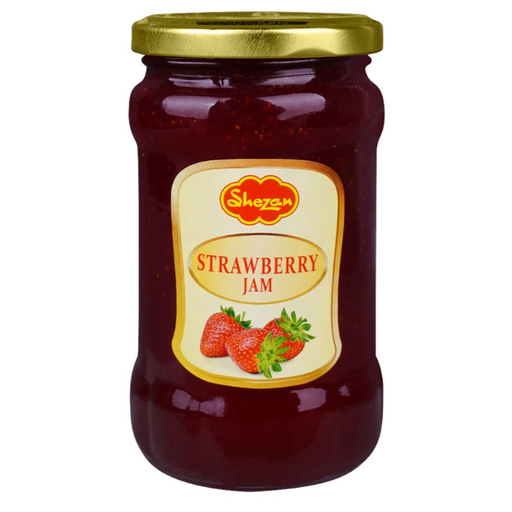
Why This Fits Their Persona: A 370g strawberry jam jar is a practical starting point for toast, sandwiches and simple baking, particularly where a familiar fruit flavour is preferred.
The label states 25% strawberry pulp, while the ingredients and additives are available for checking before purchase.
370g format; suitable for vegetarians according to the supplied information; useful for everyday breakfast use.

Why This Fits Their Persona: A fruit-led conserve for shoppers who want a versatile jar for breakfast, desserts and home baking.
It states 50g of apricots per 100g and lists a short ingredient panel. Check the packaging for the stated stone-fragment caution.
50g fruit per 100g; no allergens listed in the supplied information; suitable for toast, yoghurt and baking.
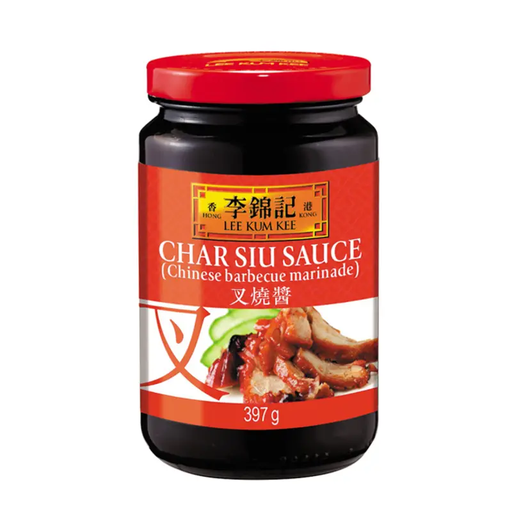
Why This Fits Their Persona: Designed for home cooks preparing Cantonese-style glazed dishes, marinades and roast or grilled meals.
Its usage instructions explain the marinade and glazing process, while the label clearly identifies wheat and soya allergens.
397g jar; ready to use as a marinade or glaze; suitable for oven-roasting, air-frying, grilling or pan-frying.
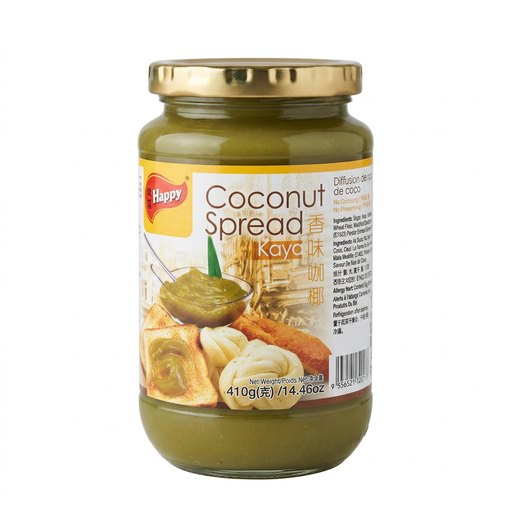
Why This Fits Their Persona: A Southeast Asian breakfast spread for shoppers exploring pandan, coconut jam, toast pairings and Asian desserts.
The label identifies egg and wheat allergens, plus the need to refrigerate after opening, helping prevent unsuitable purchases and storage mistakes.
410g format; pandan and coconut flavour; suitable for toast, buns, pancakes and selected Asian desserts.
We have compiled a complete, real-time list of products that fully satisfy these strict selection criteria and UK safety regulations.
Many fruit jams, marmalades and conserves should be refrigerated after opening, but the exact period varies. Examples in this range advise refrigeration and consumption within a stated period, such as three or six weeks. Follow the instructions on the jar rather than relying on the product category alone.
Unopened products generally carry a best-before date on the lid or packaging. Once opened, shelf life depends on the recipe and storage instructions. Use a clean utensil, close the lid securely and refrigerate products where directed. Discard any product showing unusual mould, odour or texture.
It depends on the ingredients. Some sauces contain fish, oyster products, egg or other animal-derived ingredients, while others may be suitable for plant-based diets. Check the full ingredient list and allergen information for every product, especially when buying char siu sauce, Peking duck sauce, kaya or chilli jam.