
24/7 Customer Support

Free returns

Same-day & Next-day Delivery

Quality Guaranteed

Unlock Your Welcome Offers: FREE Delivery | Up to 80% OFF | Free 30-day JoyPlus trial
Download the APP
Exploring the world of Japanese alcohol can be a rewarding journey, but for many in the UK, it’s a path filled with confusing labels and unmet expectations. You might have bought a beautifully designed bottle of Japanese sake only to find its taste harsh or unexpectedly dry, or perhaps you picked up a colourful can expecting a light refreshment and got something else entirely. It's a common story.
As a Joybuy Product Recommendation Officer, my role is to help you navigate this landscape. We'll bypass the marketing noise and focus on what truly matters. Let's look at the common pitfalls that can lead to a disappointing purchase and how you can confidently buy sake online UK or choose the perfect canned drink for any occasion.
To make an informed choice, focus on these core parameters instead of just the branding.
This is perhaps the single most important factor for sake quality. The rice polishing ratio indicates how much of the outer rice grain has been milled away. A lower percentage means more polishing, which removes fats and proteins, resulting in a purer, more aromatic and refined flavour.
The term Japanese alcohol covers a wide spectrum. It's crucial to know what category you're buying from.
Here are some recommendations matched to different tastes and occasions, helping you find the right fit.

Why This Fits Their Persona: For someone in the UK just starting their sake journey, this is an ideal entry point. It's a classic, well-balanced Junmai that offers an authentic taste without being overly complex or expensive. It's perfect for a weekend dinner with friends.
As a straightforward Junmai, there's no grade confusion. Its versatility also solves the serving temperature pitfall—it's enjoyable chilled in summer or gently warmed in winter, allowing you to experiment.
Excellent food pairing flexibility, complementing everything from sushi to grilled meats. Its medium-dry profile is approachable and balanced.
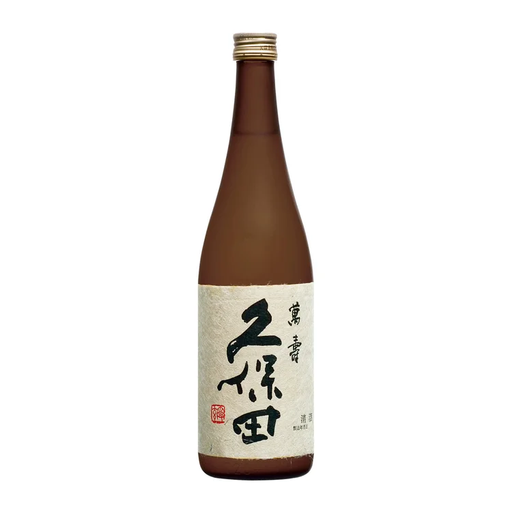
Why This Fits Their Persona: For the discerning drinker seeking a sophisticated experience for a special occasion or a refined food pairing sake. This is a celebrated flagship premium sake, perfect for impressing guests or for a quiet, luxurious evening.
As a top-tier Junmai Daiginjo, its quality is unambiguous. The description of a sophisticated, multi-layered bouquet with a crisp, clean finish sets clear expectations, avoiding the sweet/dry misconception.
Represents the pinnacle of the crisp and dry style, with an extraordinarily clean, velvety texture and complex notes of melon, pear and honeysuckle. A true artisan product.
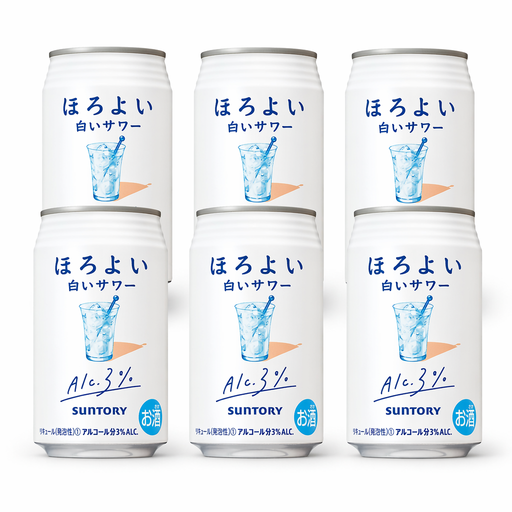
Why This Fits Their Persona: Perfect for someone looking for a light, convenient and flavourful drink for a picnic in the park, a relaxed evening at home, or a casual get-together. It's the definition of an easy-drinking, modern Japanese beverage.
This is clearly a low alcohol Japanese drink, not a traditional sake, avoiding any confusion. Its "White Sour" name and creamy yogurt-like flavour profile set a clear expectation of a sweet-tart taste, preventing disappointment.
A very low 3% ABV makes it incredibly approachable. The flavour is a balanced, creamy and refreshing sweet-tart profile that is consistently popular and easy to enjoy chilled straight from the can.
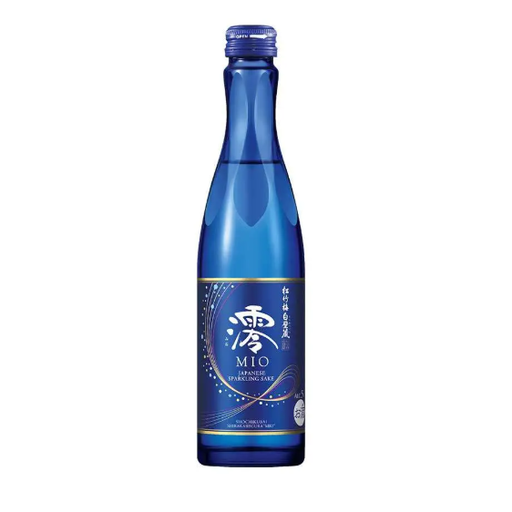
Why This Fits Their Persona: For those in the UK who enjoy a glass of Prosecco or other sparkling wines, this is a fantastic Japanese alternative. It's perfect for celebrations, as an aperitif before a meal, or for adding a touch of elegance to a casual gathering.
It is clearly labelled as a sparkling sake, setting an immediate and accurate expectation. Its naturally sweet and fruity profile is exactly what drinkers of light sparkling beverages look for, avoiding the dry sake pitfall.
Light, effervescent and refreshingly fruity with notes of pear and green apple. At 5% ABV, it's lighter than most wines and has a clean finish that makes it incredibly easy to drink.
We have compiled a complete, real-time list of products that fully satisfy these strict selection criteria and UK safety regulations.
1. How should I store Japanese sake after opening? Once a bottle of sake is opened, it should be re-capped as tightly as possible and stored upright in the refrigerator. Unlike some wines, sake does not improve with age after opening and will begin to oxidise. For the intended flavour, it is advisable to consume it within one to two weeks.
2. What is the difference between sake and chūhai? The primary differences are the ingredients, production method and alcohol content. Japanese sake is a traditional Japanese rice wine, brewed from rice, water, yeast and koji, with an alcohol content typically ranging from 14% to 16%. In contrast, chūhai is a modern, canned cocktail, usually made with a spirit like shochu or vodka, mixed with carbonated water and fruit flavourings. It is a popular low alcohol Japanese drink, with an ABV often between 3% and 9%.
3. Can I use any sake for cooking? While you can cook with most types of sake, it is often more economical to use a dedicated cooking sake (ryorishu). However, for dishes where the sake flavour is prominent, such as in sauces or marinades, using a decent drinking sake like a basic Junmai can add a superior depth of flavour. It is generally not recommended to use expensive premium sake like a Junmai Daiginjo for cooking, as its delicate and complex aromas will be lost in the heating process.