
24/7 Customer Support

Free returns

Same-day & Next-day Delivery

Quality Guaranteed

Unlock Your Welcome Offers: FREE Delivery | Up to 80% OFF | Free 30-day JoyPlus trial
Download the APP
Recreating the incredible flavours of a Japanese grill at home can be a deeply rewarding experience. That smoky, savoury and slightly sweet character of dishes like yakiniku and yakitori is truly special. However, a quick look at the supermarket aisle reveals a confusing array of bottles, all promising an "authentic" taste. Many home cooks in the UK find themselves disappointed when their chosen sauce fails to deliver that restaurant-quality result.
As a Joybuy Product Recommendation Officer, my role is to help you navigate these choices. Before you spend your money, it's worth understanding a few common pitfalls that can lead to a lacklustre barbecue.
To ensure you get the right product for your culinary plans, focus on a few key parameters. Understanding these will help you select a sauce that performs exactly as you need it to.
These terms are not interchangeable and refer to different cooking styles and sauce properties.
The quality of a Japanese dipping sauce or grill sauce is determined by its core components. When checking the label, look for:
To make your choice easier, we've matched some excellent options to different home cooking scenarios.
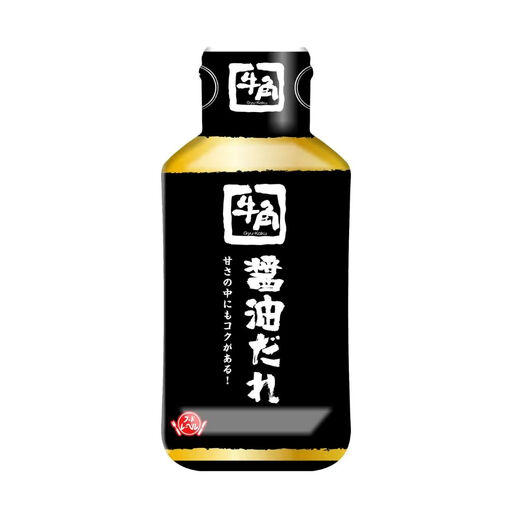
Why This Fits Their Persona: For those aiming to replicate an authentic Japanese barbecue experience, this sauce from the renowned Gyukaku yakiniku restaurant chain is an ideal choice. It's specifically designed for grilling and dipping, providing that signature restaurant flavour for beef, pork and vegetables.
This is a purpose-built yakiniku sauce, not a generic "Asian" sauce. Its balanced consistency works perfectly as a dip without being too thin, and its authentic flavour profile avoids the overly sweet trap.
Features a complex flavour base with soy sauce, apple juice, ginger and garlic for a rich, multi-layered taste. Brings an authentic restaurant brand's recipe to your home kitchen.

Why This Fits Their Persona: If your goal is to make perfect, glossy chicken skewers, you need a dedicated yakitori sauce. This sauce is designed specifically for that purpose, providing the ideal thickness and sweetness to caramelise into a beautiful glaze under the grill.
It solves the consistency mismatch. This is a thick glazing sauce, not a thin marinade, ensuring it clings to your skewers and provides that signature sticky finish without running off or burning too quickly.
The addition of miso provides a deeper, more complex umami flavour than standard soy-and-sugar glazes. It is specifically formulated to create a professional-looking glossy finish.
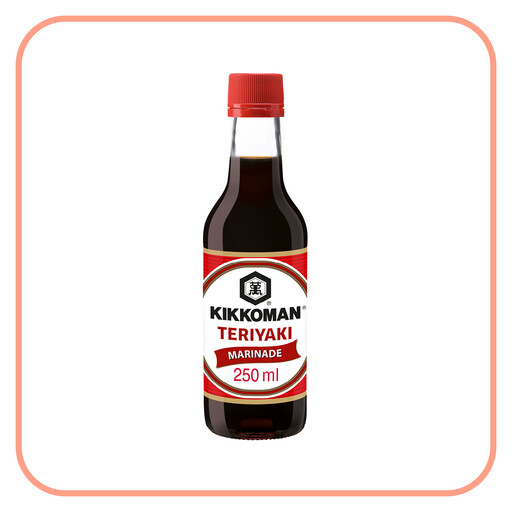
Why This Fits Their Persona: For someone needing a reliable, multi-purpose sauce for quick and flavourful weeknight meals, this classic teriyaki marinade is a pantry staple. It's perfect for marinating chicken, salmon or vegetables before pan-frying, baking or grilling.
Kikkoman's use of its own naturally brewed soy sauce as the base ensures an authentic, savoury flavour, steering clear of the generic, overly sweet "Asian sauce" trap. It is clearly labelled as a marinade, setting the right expectation for its use.
A highly versatile product from a trusted brand. It works for marinating, stir-frying and as a base for other sauces, making it a great all-rounder for exploring Japanese flavours.
We have compiled a complete, real-time list of products that fully satisfy these strict selection criteria and UK safety regulations.
The main differences are consistency and intended use. Yakiniku sauce is typically a balanced, pourable sauce used for dipping grilled meats right at the table, though it can also be a short-term marinade. Teriyaki sauce is generally thinner and used primarily as a marinade to flavour meat before cooking. A yakitori sauce, a third type, is a much thicker glaze applied during grilling to create a sticky coating.
Yes, many yakiniku sauce products are excellent for marinating. Their balanced profile of salty, sweet and savoury flavours can penetrate meat effectively in as little as 30 minutes. However, very thick glazing sauces (like those for yakitori) are less suitable for marinating and are best brushed on during the final stages of cooking to prevent the high sugar content from burning. Always check the product's label for recommended usage.
Once opened, most Japanese BBQ sauces should be stored in the refrigerator with the cap tightly sealed. While shelf life varies by brand and ingredients, a general guideline is to consume the sauce within 4 to 8 weeks for the best flavour and quality. Always check the packaging for specific storage instructions and the best-before date.