
24/7 Customer Support

Free returns

Same-day & Next-day Delivery

Quality Guaranteed

Unlock Your Welcome Offers: FREE Delivery | Up to 80% OFF | Free 30-day JoyPlus trial
Download the APP
Navigating the world of Japanese biscuits can be a delightful journey, but for many in the UK, it often comes with a few common frustrations. You might be drawn in by vibrant packaging only to find the flavour isn't what you expected, or you might struggle to find a reliable source for your favourite Japanese treats without facing long delivery times and unexpected costs.
As the Joybuy Product Recommendation Officer, my role is to help you sidestep these issues. Many shoppers fall into a few predictable traps: paying a premium for "Japanese-style" snacks that lack authentic flavour, buying large packs of a single, unfamiliar flavour that ends up gathering dust in the cupboard, or getting caught out by speciality items that are frequently out of stock. This guide will break down what really matters when selecting Japanese snacks, ensuring you get a delicious and satisfying experience every time.
Before adding to your basket, focusing on a few core characteristics can make all the difference. These are the non-negotiable details to check to ensure you're getting a quality product that matches your taste.
The term "Japanese biscuit" covers a vast range of tastes. Understanding the key flavour profiles is crucial to avoid disappointment.
The texture is just as important as the flavour. Japanese snacks are known for their unique and satisfying mouthfeel.
Instead of a generic list, we've matched some popular options to different snacking preferences. This helps you find the right Japanese biscuit for your specific needs.
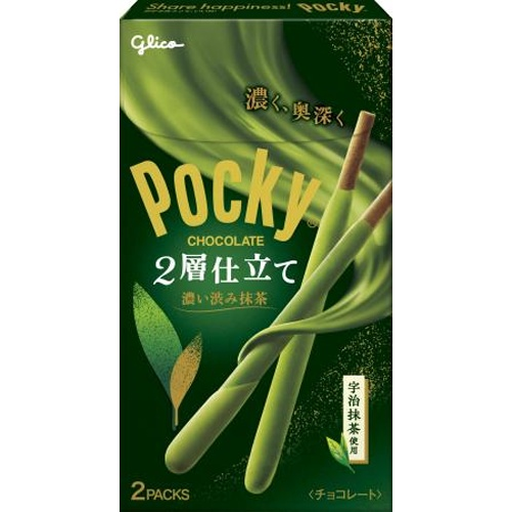
Why This Fits Their Persona: This is for the person who seeks out authentic, bold flavours. It's an ideal partner for a cup of green tea or a moment of quiet indulgence, offering a taste profile that is distinctly Japanese and not overly sweetened for Western palates.
It directly counters the "flavour mismatch" pitfall. The name "Double Strong Bitter Matcha" clearly signals an intense, less-sweet experience, so you know exactly what you're getting.
Features a robust, earthy matcha flavour that is well-balanced by the crisp biscuit stick. The box contains two individual packs, which helps maintain freshness.
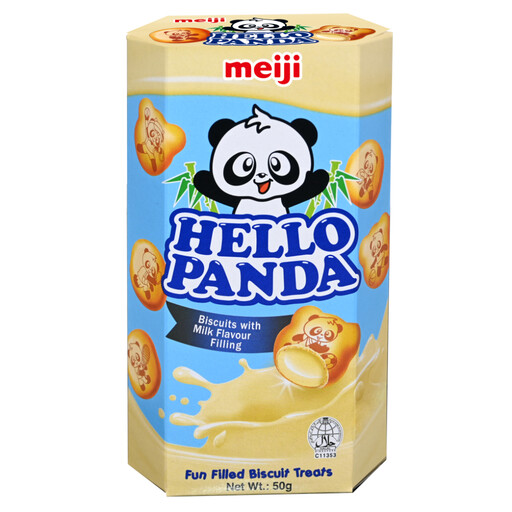
Why This Fits Their Persona: A classic choice for parents looking for a novel lunchbox snack or a fun treat for children. The cute panda designs on each biscuit add a playful element, and the mild, creamy milk flavour is a crowd-pleaser for all ages.
This is a globally recognised Japanese snack, avoiding the "authenticity" trap of lesser-known "Japanese-style" products. Its popularity ensures you are getting a consistent, quality product.
Bite-sized and mess-free, making them ideal for on-the-go snacking. The combination of a crunchy biscuit shell and a smooth, creamy filling is a textural delight.
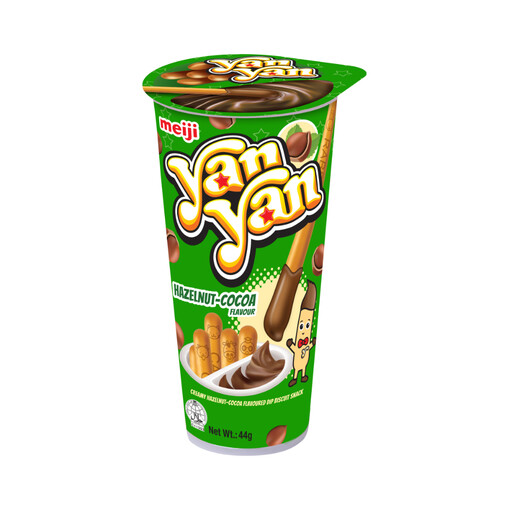
Why This Fits Their Persona: For those who enjoy a more engaging snack experience. Yan Yan is perfect for a desk-side treat or a fun afternoon snack, allowing you to dip and crunch at your own pace. It brings a sense of playfulness to snacking that appeals to both adults and children.
By separating the biscuit and the dip, it puts you in control, avoiding the issue of a pre-coated biscuit having too much or too little flavour. The classic hazelnut flavour is a safe and popular choice.
The dual-compartment pot keeps the biscuit sticks crisp and the dip smooth. It's a self-contained, portable snack that requires no extra dishes.
We have compiled a complete, real-time list of products that fully satisfy these strict selection criteria and UK safety regulations.
Many Japanese biscuits are ideal for lunchboxes. Brands like Meiji Hello Panda and Yan Yan are portion-controlled, generally mess-free, and have flavours that appeal to children. However, it is always important to check the ingredients for allergens, as many products contain wheat, milk and soy, and may have traces of nuts.
Pay close attention to the product name and description. Products labelled with terms like "strong," "rich," or "bitter" matcha will have a more intense, earthy flavour. Those described as "matcha latte" or simply "matcha flavour" are often blended with milk powder and more sugar, resulting in a sweeter, creamier taste. Checking the sugar content on the nutritional information can also provide a clue.
To maintain their signature crispness, store Japanese biscuits in a cool, dry place away from direct sunlight and strong odours. Once a packet is opened, it's advisable to transfer the contents to an airtight container or use a clip to seal the original packaging tightly. This prevents them from absorbing moisture from the air, which can make them go soft.