
24/7 Customer Support

Free returns

Same-day & Next-day Delivery

Quality Guaranteed

Unlock Your Welcome Offers: FREE Delivery | Up to 80% OFF | Free 30-day JoyPlus trial
Download the APP
Japanese biscuits and cookies are popular with UK families, students, office snackers and fans of matcha, strawberry and chocolate flavours. However, attractive packaging can make it difficult to compare products fairly. A biscuit described as “Japanese” may be manufactured elsewhere, while a large-looking bag may contain fewer servings than expected.
This guide explains the main buying pitfalls, the product details worth checking and a selection of Japanese snacks and Asian biscuits suited to different occasions.
Japanese brands often manufacture products across several countries. For example, the supplied product information identifies some snacks as made in Japan, while others are made in Thailand, China or Singapore. This is not automatically a quality issue, but it matters if country of origin is important to you.
Check the country of origin, manufacturer and UK distributor before buying. “Japanese-inspired”, “Asian snack” and “Japanese brand” do not necessarily mean the product was made in Japan.
Words such as matcha, strawberry, milk or chocolate can describe a flavour profile rather than a large proportion of the named ingredient. For comparison, the supplied information lists 2.5% matcha powder for KitKat Matcha Flavour Cookies, 5% matcha powder for Glico Pejoy Matcha Mousse flavour and 10% strawberry powder for Glico Pocky Strawberry flavour.
Read the ingredients list and quantitative ingredient declaration where available. This helps distinguish matcha cookies with a noticeable tea flavour from sweet biscuits with a lighter flavoured filling.
A decorative box may be convenient for gifting, but smaller packs can work better for lunchboxes or portion control. Compare net weight, number of inner packs and whether the biscuits are individually wrapped. A 50g filled biscuit pack suits a quick snack, while a 157g or 184g pack is more practical for sharing.
Also consider storage. Crisp products can soften after opening, particularly in warm or humid conditions. Reseal opened packs or transfer biscuits to an airtight container, following the packaging instructions.
UK shoppers should look for clearly presented allergens, usually highlighted in bold within the ingredients list. Common allergens in Japanese sweet treats include:
Always check the current packaging, especially if you have an allergy or intolerance. “May contain” statements refer to possible cross-contact and should not be ignored.
Imported snacks should provide product and distributor information suitable for the UK market. Check the country of origin, storage instructions, best-before information and the responsible importer or distributor. This is particularly useful when comparing Japanese wafer biscuits with similar-looking Asian biscuits made in other countries.
Nutrition tables are generally shown per 100g, which allows comparison between different pack sizes. The products supplied range broadly from around 425 to 530 kcal per 100g, so a smaller individual pack may be useful for lunchboxes, desks or travel.
For families, also check the filling, sugar content, choking guidance and pack size. These are sweet treats rather than substitutes for a balanced meal.
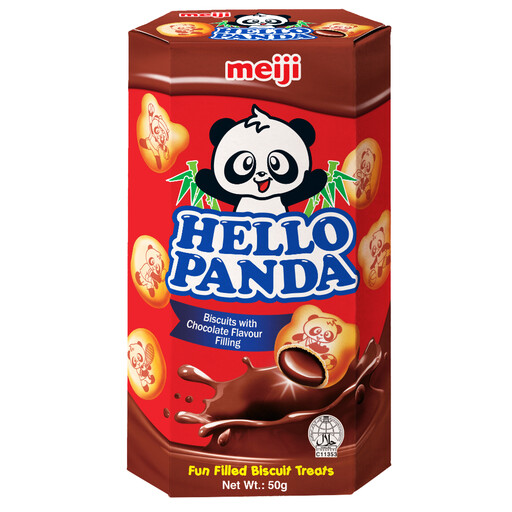
Why This Fits Their Persona: The compact 50g pack offers an accessible way to try filled Japanese biscuits, with character-printed pieces suitable for lunchboxes or a small-footprint snack.
The clearly stated 50g net quantity makes it easier to compare cost and portion size than relying on the outer packaging.
Crisp biscuit shell, chocolate filling and a ready-to-eat format. The product information identifies Japan as the country of origin.
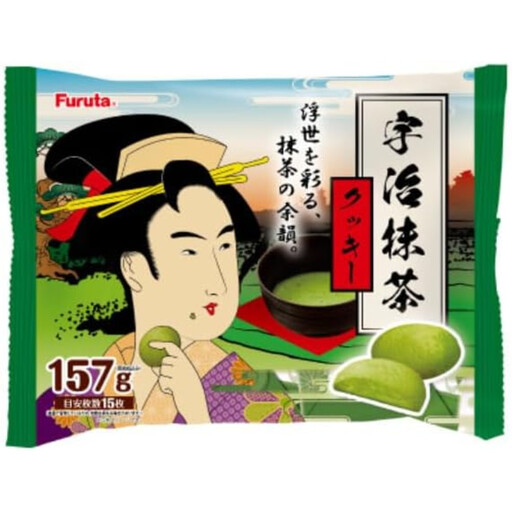
Why This Fits Their Persona: Matcha enthusiasts looking for a larger pack and individually wrapped cookies may appreciate the stated Uji matcha ingredient and Japanese origin.
The ingredient list names matcha rather than relying only on green-coloured packaging or a generic tea flavour description.
157g pack, individually wrapped portions and a crisp cookie texture designed for serving with tea or coffee.
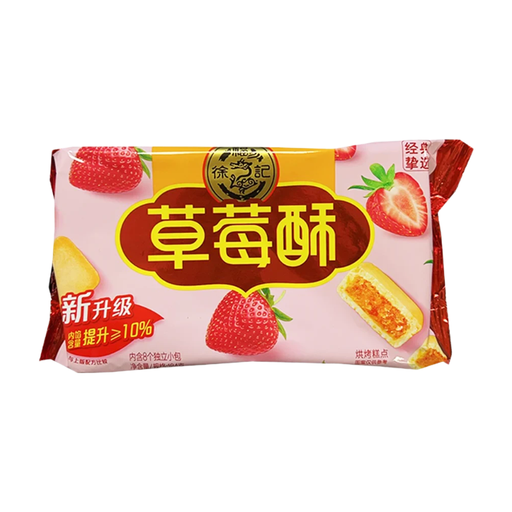
Why This Fits Their Persona: A suitable option for households, afternoon tea or sharing, with a larger 184g pack and individually packaged portions.
The 184g net weight and stated individual packaging provide more useful information for sharing than a decorative gift-style presentation alone.
Flaky pastry exterior, strawberry and winter melon filling and ready-to-eat convenience. The product information states that it is made in China.
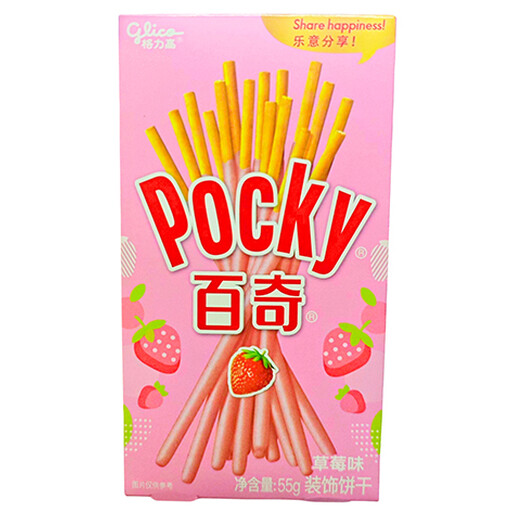
Why This Fits Their Persona: The stick format is easy to share at a desk, add to a snack drawer or serve alongside tea during a short break.
The product information specifies 10% strawberry powder, giving a clearer basis for comparison with other strawberry biscuits.
55g pack, crisp biscuit sticks and a strawberry coating. Contains wheat, barley, milk and soya, so check the label before sharing.
We have compiled a complete, real-time list of products that fully satisfy these strict selection criteria and UK safety regulations.
Some are designed in small, playful formats, such as Hello Panda biscuits, but suitability depends on the child’s age, allergies and ability to chew safely. Check the pack for choking guidance, allergen information and serving size. Children should be supervised when eating small filled biscuits or wafer pieces.
Most should be kept in a cool, dry place away from direct sunlight, heat and moisture. Reseal the pack or use an airtight container to help preserve crispness. Do not assume refrigeration is suitable; follow the storage instructions on the individual product.
Larger packs, individually wrapped cookies and biscuit sticks are practical for offices, parties and afternoon tea. Furuta Uji Matcha Cookies offer individually wrapped portions, while HSU FU CHI Strawberry Pastry Cookies provide a 184g pack for sharing. Compare the net weight and allergens before placing several products on one serving plate.