
24/7 Customer Support

Free returns

Same-day & Next-day Delivery

Quality Guaranteed

Unlock Your Welcome Offers: FREE Delivery | Up to 80% OFF | Free 30-day JoyPlus trial
Download the APP
A blunt, unwieldy knife can turn the simple joy of cooking into a frustrating chore. For anyone passionate about creating precise, beautiful dishes, the right tool is not just a preference—it is a necessity. A high-quality Japanese chef knife offers a level of sharpness and control that can transform your entire kitchen experience, whether you are a professional chef or a dedicated home cook.
Navigating the world of Japanese cutlery, however, can be complex. With so many styles, materials and terms, choosing the right one can feel overwhelming. As the Joybuy Product Recommendation Officer, my role is to help you cut through the jargon. This guide will walk you through the key considerations for selecting a knife and present our top recommendations to help you find the perfect blade for your culinary needs.
Before looking at specific models, understanding a few core principles will help you make a more informed decision.
The shape of the blade determines its function. The most common all-rounder is the Santoku knife, whose name translates to "three virtues," referring to its proficiency in slicing, dicing and mincing. Its relatively flat edge and sheepsfoot-style tip make it exceptionally versatile.
Alternatively, you might consider a Japanese cleaver. These are not all the same; a lightweight Nakiri is designed as a specialist vegetable chopper, while a heavier Deba is intended for butchering fish. A more robust, heavy-duty cleaver can function as a powerful meat cleaver, ideal for tougher jobs.
The material of the blade is crucial for performance and maintenance.
A great blade is only half the story. The handle determines how the knife feels and performs in your hand. Look for a knife with good balance, where the weight is distributed evenly between the blade and the handle. A full-tang construction, where the steel of the blade extends all the way through the handle, is often a sign of a durable, well-balanced professional chef knife.
Based on their features, materials and intended use, here are our standout recommendations for 2026.
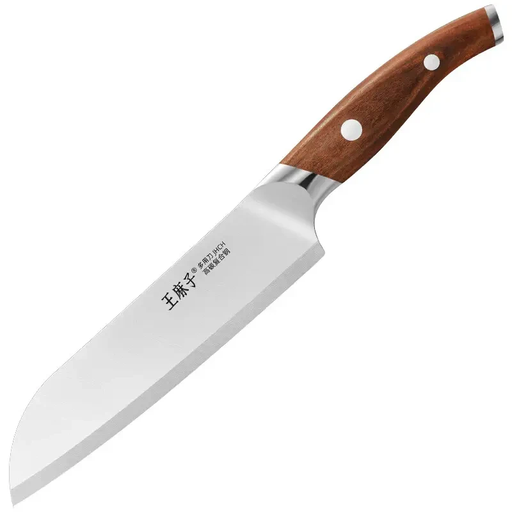
Why It Stands Out This knife from WANGMAZI is a superb all-rounder that embodies the versatility of a classic Santoku. Forged from 50Cr high-carbon steel, it delivers exceptional edge retention and hardness, allowing for razor-sharp precision. Its full-tang construction ensures excellent balance and control, making it feel like a natural extension of your hand. The blade geometry is well-suited for a wide range of tasks, from preparing delicate fish for a sushi knife role to finely dicing vegetables.
Pros
Who is it for? The home cook or professional chef looking for a single, high-performance knife that can handle the majority of kitchen tasks with precision and ease.
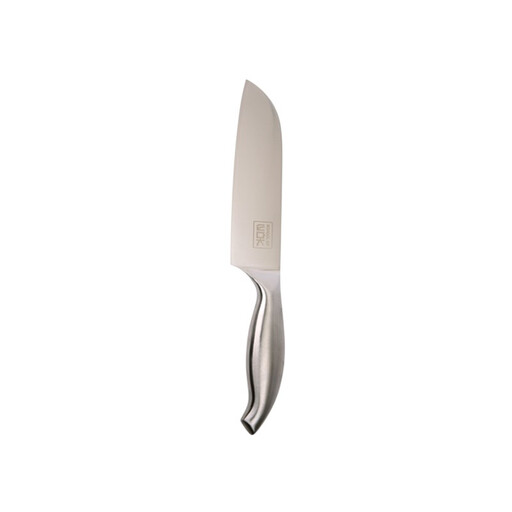
Why It Stands Out Developed with the expertise of Chef Jeremy Pang, this Japanese cleaver is designed for performance and accessibility. Its 7-inch stainless steel blade has a flat profile with a curved edge, making it particularly effective for slicing through fish. The high-quality stainless steel construction means it is durable and simple to care for, while the ergonomic handle ensures a secure grip during use. It strikes a great balance between a specialised tool and a general-purpose kitchen knife.
Pros
Who is it for? Cooking enthusiasts who frequently prepare fish or those who appreciate the feel and function of a cleaver-style knife for everyday prep work.
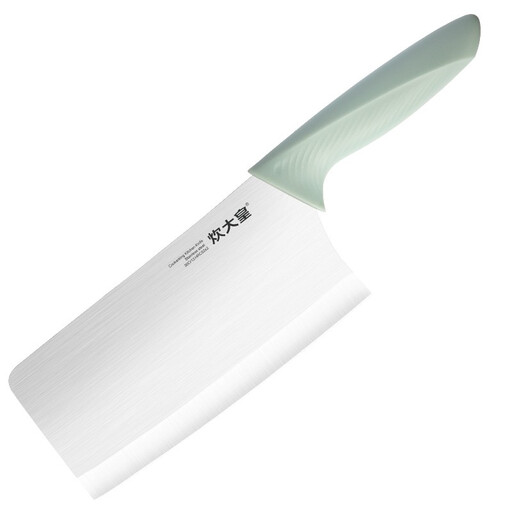
Why It Stands Out When power is what you need, the COOKER KING heavy-duty cleaver delivers. This is a robust chopping chef knife forged from stainless steel, designed to tackle the most demanding jobs in the kitchen. Its substantial weight allows it to move effortlessly through tough meats, dense vegetables and even small bones. The sharp-shaped, non-slip handle is engineered for safety and control, reducing hand fatigue when you are doing extensive prep or butchery.
Pros
Who is it for? Chefs and home cooks who need a reliable and powerful meat cleaver for butchery or for processing large, dense vegetables and other tough ingredients.
If these recommendations are not quite what you are looking for, or if you are interested in exploring more specialised tools like Yanagiba slicers or Usuba vegetable knives, we have a wider selection available.
Browse our complete range of Japanese cooking utensils to find the perfect tool for your kitchen.
A Santoku knife is a general-purpose Japanese kitchen knife. Its name means "three virtues," which refers to its ability to handle three key cutting tasks: slicing, dicing and mincing. It typically has a blade between 5 and 8 inches long with a flatter edge than a Western-style chef's knife and a rounded "sheepsfoot" tip. This design makes it excellent for clean, downward chops.
A high carbon steel knife requires a little extra attention to maintain its performance and appearance. The most important rules are:
It can be, depending on the type. A lighter, thinner Japanese vegetable cleaver, known as a Nakiri, is incredibly versatile for all plant-based prep and can function as a primary knife for many cooks. A heavy-duty meat cleaver, however, is more of a specialist tool designed for power and is less suited for delicate, precise tasks.