
24/7 Customer Support

Free returns

Same-day & Next-day Delivery

Quality Guaranteed

Unlock Your Welcome Offers: FREE Delivery | Up to 80% OFF | Free 30-day JoyPlus trial
Download the APP
Japanese chewy sweets are popular with fans of Asian confectionery, anime-inspired snacks and fruit-flavoured treats. Their appeal usually comes from a combination of a soft bite, concentrated flavour and individually wrapped pieces that are easy to carry.
However, not every pack suits every shopper. A small bag may be ideal for trying a new flavour, while a multipack can offer better value for sharing. Ingredients, allergens and texture also vary, so checking the label before buying is important.
Marketing descriptions can make a sweet sound as though it contains a large amount of fresh fruit. In reality, recipes may use fruit juice concentrate, puree, flavourings or a combination of these. For example, Hi-Chew sweets can list fruit juice concentrate alongside acids and flavourings.
Read the ingredient list rather than relying only on front-of-pack wording. If a particular flavour matters to you, check whether the recipe includes juice concentrate, puree or simply flavouring.
Many soft chewy sweets contain gelatine, which may be pork- or bovine-derived. This means they may not be suitable for vegetarians or vegans. Soya lecithin is also common as an emulsifier, and some products may carry warnings about traces of milk, wheat, peanuts or tree nuts.
Allergen information can differ between flavours and pack formats. Always check the current UK packaging before serving, particularly if buying Japanese sweets for children, guests or someone with a food allergy.
A 50g pack is useful when trying green apple sweets, strawberry sweets, mango sweets or grape sweets for the first time. Larger multipacks can be practical, but they are less economical if the flavour is not to your taste or the sweets become sticky after poor storage.
Choose sealed, undamaged packaging and store it in a cool, dry place away from direct sunlight and heat. Warm conditions can affect the texture and cause pieces to stick together.
Consider whether you prefer:
Hi-Chew products are generally positioned as soft chewy sweets with a flavour that develops as you chew. By contrast, products such as Swizzels Drumstick Squashies have a softer, springier gum texture, while Refreshers chew bars include a sherbet centre for a fizzy sensation.
A single 50g pack works well for a handbag, desk drawer, film night or occasional snack. Three-pack formats are more suitable if you already know the flavour or want to share several packs with family and friends.
For parties, office treats or regular sweet consumption, a larger pack may reduce the need for repeat orders. Check the net quantity, number of packs and whether pieces are individually wrapped rather than assuming a multipack contains a specific number of sweets.
Japanese chewy sweets are confectionery, so many products are high in sugar. As a general guide, the supplied product information shows several Hi-Chew varieties containing roughly 55–65g of sugars per 100g, although values differ by flavour and market.
Also check:
These sweets are ready to eat, but they should be enjoyed in moderation as part of a balanced diet. Chewy confectionery can also present a choking hazard for young children, so follow the age and supervision guidance on the pack.
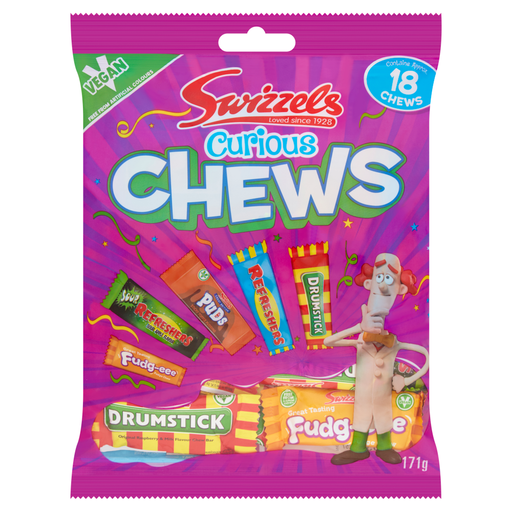
Why This Fits Their Persona: A larger 171g bag gives new shoppers several familiar fruity flavours, including lemon, strawberry and blackcurrant, for sharing or sampling at home.
The assorted format avoids committing to one unfamiliar flavour. The stated allergen advice notes that it may contain milk, so the pack should still be checked before serving.
171g net quantity; mixed lemon, strawberry and blackcurrant flavours; soft chewy texture for sharing.
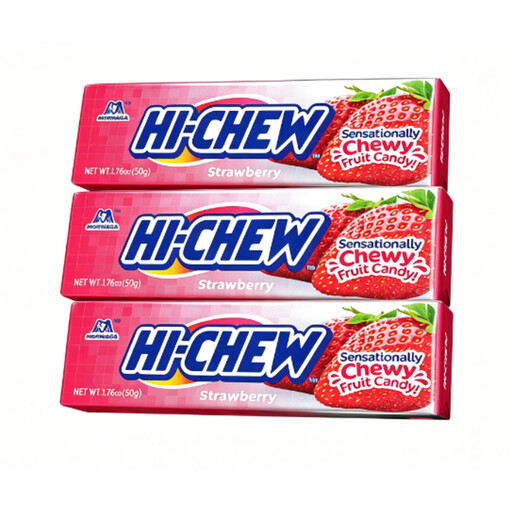
Why This Fits Their Persona: The three 50g packs suit shoppers who want a recognisable Japanese confectionery format for commutes, desk drawers, day trips or sharing.
The three-pack format provides separate portions rather than one oversized open bag. The supplied information identifies gelatine and possible manufacturing contact with milk, wheat, soya and peanuts.
Three 50g packs; strawberry puree listed in the ingredients; individually portioned for convenient storage and sharing.
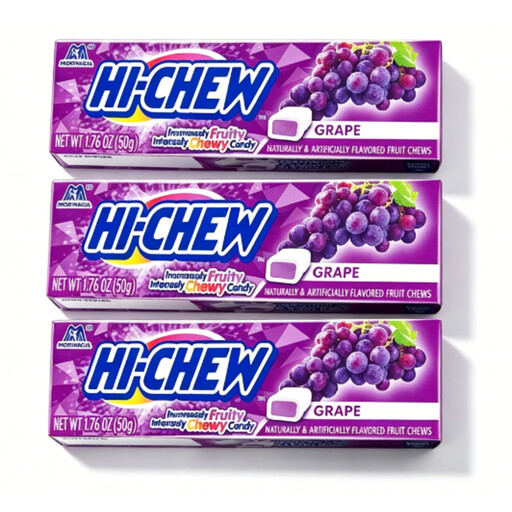
Why This Fits Their Persona: A three-pack is practical for regular snackers, group treats, themed film nights or keeping a spare pack at home, work and in a bag.
The pack count is clearly stated, helping shoppers compare quantity rather than judging value from the packet size. It contains gelatine and soya, so it is not suitable for every dietary preference.
Three 50g packs; grape juice concentrate listed; suitable for portioning between several occasions.
We have compiled a complete, real-time list of products that fully satisfy these strict selection criteria and UK safety regulations.
Some can be enjoyed by children, but chewy confectionery may present a choking hazard, particularly for younger children. Check the packaging, follow any age guidance and supervise children while eating. Products containing gelatine, soya or possible milk traces may also be unsuitable for some children.
Keep unopened packs in a cool, dry place away from direct sunlight and heat. After opening, reseal the packaging where possible. This helps reduce exposure to humidity and heat, which can change the texture or make pieces stick together.
Do not assume they are. Several Hi-Chew varieties listed here contain gelatine, while some Swizzels products also contain gelatine. Refreshers Lemon Chew Bar Sweets are listed as suitable for vegans, but the current packaging should always be checked for the precise product and recipe.