
24/7 Customer Support

Free returns

Same-day & Next-day Delivery

Quality Guaranteed

Unlock Your Welcome Offers: FREE Delivery | Up to 80% OFF | Free 30-day JoyPlus trial
Download the APP
A reliable chef's knife is the cornerstone of any kitchen, but for certain tasks, you need a tool with more breadth and authority. Whether you are finely slicing vegetables for a stir-fry or breaking down larger cuts of meat, the limitations of a standard knife can become apparent. This is where the Japanese cleaver, a remarkably versatile and powerful blade, comes into its own.
Far from being just a heavy-duty chopper, this style of knife offers a unique combination of precision, balance and efficiency. Its wide blade is not only excellent for clean cuts but also serves as a convenient scoop to transfer ingredients from the cutting board to the pan.
As a Joybuy Product Recommendation Officer, my role is to help you navigate the options. This guide will walk you through the key features to consider when choosing a Japanese cleaver and present a few standout models that deliver on performance and durability.
Choosing the right cleaver involves more than just picking the largest blade. Consider these factors to find a knife that will become an indispensable part of your kitchen toolkit.
The heart of any knife is its steel. Many high-performance cleavers are made from forged steel, a process where a single piece of steel is heated and hammered into shape. This creates a denser, stronger, and better-balanced blade compared to stamped alternatives. Look for high-carbon stainless steel, which offers a great combination of sharp edge retention and resistance to corrosion. A well-made Japanese chef knife of this type will hold its sharpness through countless meal preparations.
The tang is the part of the blade that extends into the handle. A full tang cleaver is one where the steel runs the entire length of the handle, visible between the two handle scales. This construction provides superior strength, durability and, most importantly, balance. A well-balanced knife feels like an extension of your hand, reducing fatigue and giving you greater control, which is crucial whether you are using a light vegetable chopper knife or a heavy duty kitchen knife.
Not all cleavers are created equal. The term is often used to describe both Japanese and Chinese cleaver styles, which can vary in weight and thickness.
Before purchasing, consider your primary needs. Do you need a versatile tool for daily prep or a powerful chopper for butchery?
Here are a few recommendations that showcase the different strengths within the Japanese cleaver category.
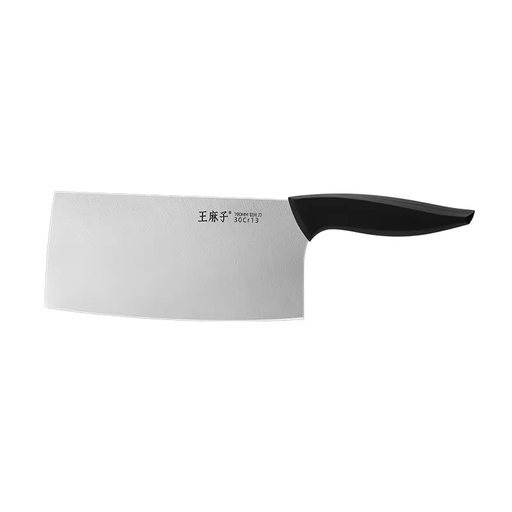
Why It Stands Out: The WANGMAZI Slicing Knife is a masterclass in precision. Forged from high-quality German steel, it is engineered for clean, effortless slicing rather than heavy chopping. The full tang construction ensures it is perfectly balanced, while the ergonomic handle provides comfort and control during long prep sessions. Its 190 mm blade is an ideal size for handling everything from large vegetables to boneless proteins with finesse.
Pros:
Who is it for? This is an excellent choice for the discerning home cook who wants a single, high-performance tool for the majority of their daily slicing and dicing tasks.
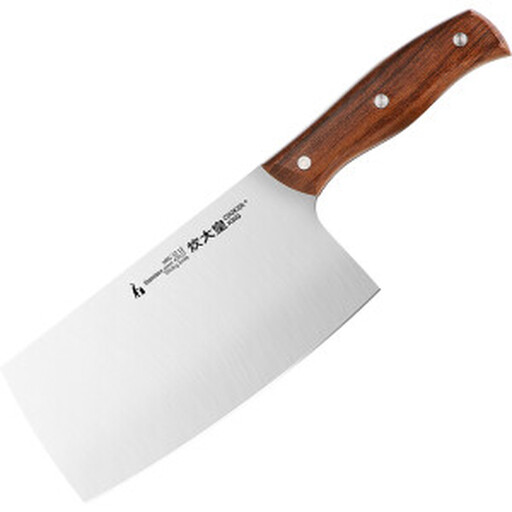
Why It Stands Out: This COOKER KING model is a true multi-tasker. It functions as a cleaver, a chef's knife and a food scoop all in one. The blade is forged from 7Cr17MoV high-carbon stainless steel, known for its impressive edge retention and corrosion resistance. The 15° double-bevel edge glides through ingredients, while the waterproof pakkawood handle offers a secure and comfortable grip that resists moisture and warping. Its slightly curved edge makes it suitable for both chopping and rocking cuts.
Pros:
Who is it for? The culinary enthusiast who appreciates efficiency and wants a single, versatile tool that can handle a wide range of preparation techniques.
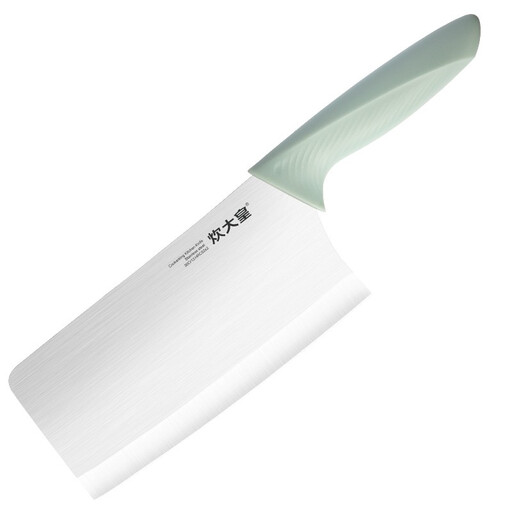
Why It Stands Out: When power is what you need, this heavy duty kitchen knife from COOKER KING delivers. It is specifically designed for the most demanding kitchen tasks. Forged from robust stainless steel, its substantial weight and thick spine allow it to chop through small bones, tough meats and dense root vegetables with confidence. The sharp-shaped handle is crafted to provide a secure, non-slip grip, ensuring safety and control even when applying significant force.
Pros:
Who is it for? Home cooks and chefs who regularly perform butchery tasks or need a powerful meat cleaver to break down tough ingredients without hesitation.
The world of versatile kitchen knives is vast, and the right blade for you depends on your specific cooking style. If these models are not quite what you are looking for, there are many other styles and sizes to discover.
Explore our complete collection of multi-functional chef's knives to find the perfect blade for your culinary needs.
1. What is the difference between a Japanese cleaver and a Chinese cleaver? While the terms are often used interchangeably in a Western context, there can be subtle differences. Traditional Chinese cleavers (caidao) come in a wider range of weights, from very thin slicers to heavy bone choppers. The Japanese equivalent, the chuka bocho, is often inspired by the Chinese slicer and tends to be a medium-weight, all-purpose tool focused on vegetable and boneless meat preparation. The key is to look at the manufacturer's description of the knife's purpose—slicing versus heavy chopping.
2. Can I use a Japanese cleaver to chop bones? This depends entirely on the specific knife. A lighter, thinner slicing cleaver should never be used on bones, as this can chip or permanently damage the fine edge. Only a cleaver designated as a "heavy-duty" or "bone" chopper, which features a thicker, more robust blade and a tougher edge, is suitable for this task. Always check the product specifications.
3. How do I care for a forged steel knife? Proper care is simple but essential. Always hand wash your cleaver with mild soap and warm water, and dry it immediately and thoroughly. This is especially important for high-carbon steel to prevent any potential for rust. Never put a high-quality knife in the dishwasher, as the harsh detergents and high heat can damage both the blade and the handle. Honing the blade regularly will help maintain its edge between sharpenings.