
24/7 Customer Support

Free returns

Same-day & Next-day Delivery

Quality Guaranteed

Unlock Your Welcome Offers: FREE Delivery | Up to 80% OFF | Free 30-day JoyPlus trial
Download the APP
Bringing the authentic flavours of Japanese cuisine into your UK kitchen should be a joy, but navigating the world of Japanese cooking sauces can often be confusing. With shelves full of bottles claiming authenticity, it's easy to end up with a product that delivers a flat, overly sweet taste instead of the rich, nuanced flavour you were hoping for.
As the Joybuy Product Recommendation Officer, my role is to help you see past the marketing jargon. Before you buy Japanese sauces UK, let's look at a few common pitfalls that lead to disappointment and wasted money.
To ensure you're choosing genuine, high-quality authentic Japanese condiments, focus on these key parameters.
Not all soy sauce is created equal. It's the backbone of many Japanese sauces and its type and quality are critical.
The characteristic sweet and savoury gloss of sauces like yakitori sauce or teriyaki comes from a specific blend of ingredients.
Beyond soy sauce, specific dishes call for unique condiments. Understanding their purpose will elevate your cooking.
Instead of a generic list, we've matched our recommendations to different types of home cooks.

Why This Fits Their Persona: This is for the person who wants maximum flavour with minimum effort. It's a ready-to-use sauce that instantly elevates simple meals like chicken katsu, fried prawns or even a cheese toastie, making it a versatile pantry hero for quick weeknight dinners.
It directly counters the "one-sauce-fits-all" myth by being a specific, purpose-driven sauce for fried foods, yet its balanced flavour makes it surprisingly versatile for other uses without compromising taste.
Its complex, tangy and fruity flavour comes from a blend of real vegetables and fruits like apple puree and tomato paste, not just sugar and artificial flavourings.
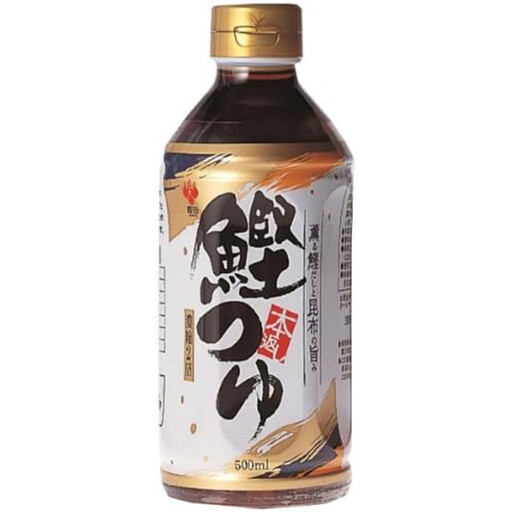
Why This Fits Their Persona: For the home cook dedicated to recreating authentic noodle dishes like soba or udon, or a proper dipping sauce for tempura. This concentrated base is a non-negotiable pantry staple for achieving that classic dashi-infused flavour.
This is a concentrated base, not a ready-to-use sauce. It avoids the "inauthentic flavour" trap by using real bonito extract and mirin, providing a genuine umami depth that diluted, overly sweet sauces lack.
Highly versatile and economical. You can dilute it to your preferred strength for soups, dipping sauces, or use it as a flavour base for stews, offering great value and control.
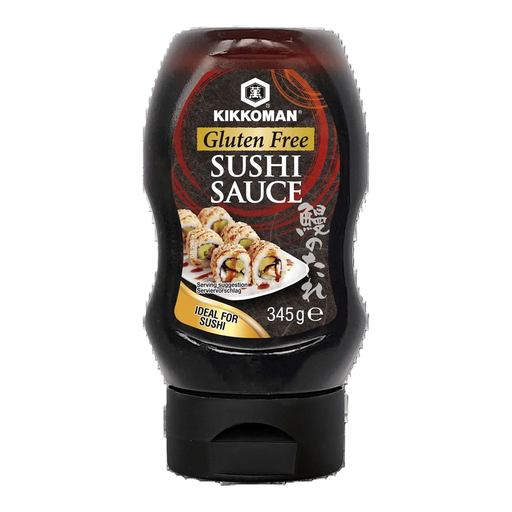
Why This Fits Their Persona: Perfect for anyone with a gluten intolerance or coeliac disease who refuses to miss out on flavour. This sauce allows them to enjoy sushi, rice bowls and glazes with confidence, providing a safe and delicious alternative to traditional wheat-containing sauces.
It avoids the trap of poor-quality "free-from" products. Instead of just removing wheat, it uses a purpose-brewed gluten-free soy sauce base, ensuring it delivers a balanced sweet and savoury flavour, not a compromise.
The thick, creamy texture and convenient squeezy bottle make it ideal for drizzling and garnishing, offering great control. It's specifically formulated to be a gluten-free sushi and finishing sauce.
We have compiled a complete, real-time list of products that fully satisfy these strict selection criteria and UK safety regulations.
Most soy-based sauces, like shoyu or tsuyu, are high in salt and naturally preserved. When stored correctly in the refrigerator, they can last for several months (typically 3-6) after opening without a significant loss in quality. Sauces with more fresh or delicate ingredients, such as a yuzu dressing, may have a shorter shelf life, so it's always wise to check the label for specific storage advice.
While they share a similar sweet and savoury profile, they are not identical. Yakitori sauce is specifically designed as a glaze for grilled items and is often a little thinner to create a perfect coating over charcoal. Teriyaki sauce is a more general-purpose marinade and glaze. You can substitute them if you're in a pinch, but for the most authentic flavour for each dish, using the intended sauce is recommended.
Sushi and sashimi soy sauce is intentionally brewed to be milder and slightly sweeter than a standard all-purpose Japanese soy sauce. This is to ensure it complements the delicate flavour of raw fish and seasoned rice rather than overpowering it. Regular soy sauce (koikuchi) is saltier and has a more robust flavour, making it better suited for cooking and marinades.