
24/7 Customer Support

Free returns

Same-day & Next-day Delivery

Quality Guaranteed

Unlock Your Welcome Offers: FREE Delivery | Up to 80% OFF | Free 30-day JoyPlus trial
Download the APP
The appreciation for premium Japanese drinks has moved far beyond specialist bars and into the homes of discerning UK residents. From the delicate complexities of Japanese sake to the profound depth of its whisky, there is a world of craftsmanship to explore. However, navigating this world can be challenging. The market is filled with terminology that can be confusing and marketing that can sometimes obscure a product's true character.
Many enthusiastic buyers find themselves caught in a few common traps. Firstly, they might overpay for a bottle with a "premium" label, like Junmai Daiginjo, without understanding that the skill of the brewery and the specific polishing ratio are what truly define its quality. Secondly, with Japanese whisky, there's often a fixation on age statements, leading buyers to overlook exceptionally crafted "No Age Statement" (NAS) blends that offer incredible complexity. Finally, some purchase a highly specialised bottle, only to find it pairs with a very narrow range of foods, limiting its use and value. This guide will help you sidestep these pitfalls and make a confident choice.
To truly appreciate and select the right bottle, it helps to understand a few core principles that define the quality and character of these premium Japanese spirits.
The grade of a sake is largely determined by its Seimai Buai, or the percentage of the rice grain remaining after it has been polished. The outer layers of the rice contain fats and proteins that can create off-flavours, so they are milled away to reach the pure starch heart (shinpaku).
Unlike Scotch, which has a long-established set of rules, Japanese whisky production is defined by a philosophy of innovation and balance. The choice of cask for maturation is crucial to the final flavour. While distilleries use familiar casks like American oak (imparting vanilla notes) and Spanish sherry butts (adding rich, fruity character), the use of Mizunara oak is a uniquely Japanese signature. This rare, porous wood is difficult to work with but imparts incredible and sought-after notes of sandalwood, incense and oriental spice. When you see Mizunara oak mentioned, you know you are looking at a distinctly Japanese expression.
Umeshu, often called Japanese plum wine, is typically a liqueur. Most umeshu is made by steeping whole, unripe ume plums in alcohol (like shochu or brandy) and sugar. This extracts the fruit's tart and fragrant essence. However, some producers use a more complex method where the plum juice itself is fermented, much like grape wine. This can result in a different character, often with more depth and less overt sweetness. Checking the production method can help you choose between a bright, sweet liqueur and a more nuanced, fermented fruit wine.
Based on these principles, we've matched some standout options to different types of enthusiasts.
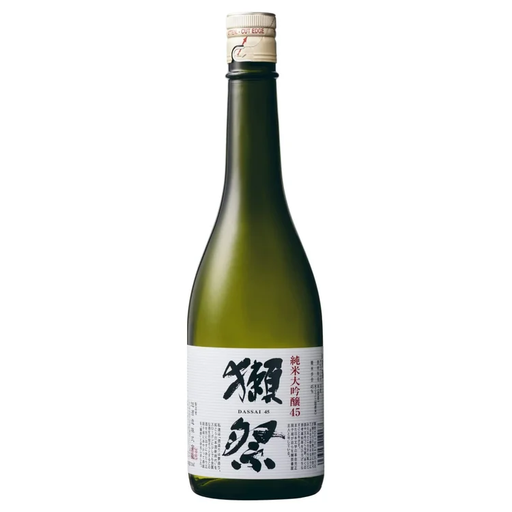
Why This Fits Their Persona: For those looking to step into the world of premium sake, Dassai 45 is an ideal starting point. It's a globally recognised benchmark for the Junmai Daiginjo style, offering a clear taste of what makes this category special without the price tag of ultra-premium expressions. It's approachable, elegant and perfect for understanding high-quality sake.
This bottle avoids the "premium label" trap by genuinely delivering on its classification. It provides a true-to-style experience, setting a clear quality standard against which other sakes can be measured.
It has an exceptional balance of clean, fruity notes (white peach, pear) and a silky texture. Its versatility makes it a fantastic pairing for everything from sashimi to light chicken dishes.
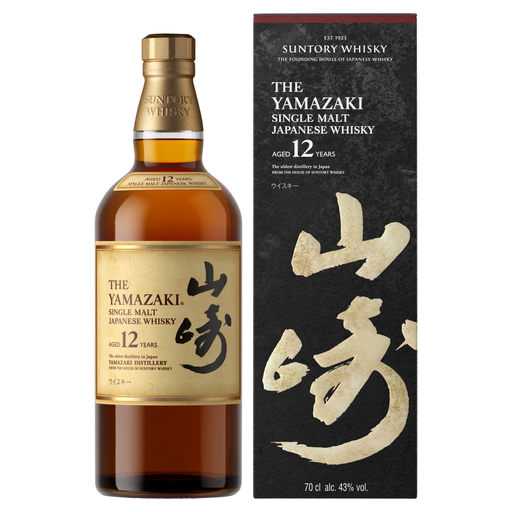
Why This Fits Their Persona: This is the pioneering single malt of Suntory whisky, a cornerstone of any serious collection. It represents heritage, craftsmanship and a flavour profile that is quintessentially Japanese. It's a statement piece for anyone who appreciates the art of distillation and maturation.
It sidesteps the "age statement fixation" by being a classic, respected 12-year-old whose quality is undeniable. Its value comes from its complex maturation in three different casks, including the rare Mizunara oak, not just the number on the label.
It offers a rich, multi-layered bouquet with notes of peach, vanilla and the signature incense-like woodiness from Mizunara oak. The finish is long, warming and exceptionally clean.
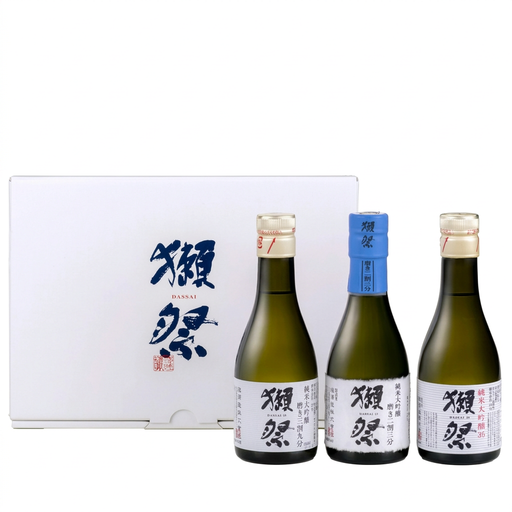
Why This Fits Their Persona: This is the perfect Japanese drinks gift set for a dinner party host or as a present for a curious connoisseur. It provides an interactive and educational experience, allowing for a direct comparison of how the rice polishing ratio impacts the final product. It's both a drink and a conversation starter.
Instead of leaving you to guess the difference between sake grades, this set turns the "confusing label" pitfall into its main strength. It actively demonstrates the difference between Dassai 45, 39 and 23, empowering the user with knowledge.
This set offers a curated journey through three distinct levels of refinement, from the balanced Dassai 45 to the ethereal, silky Dassai 23. The 180ml bottles are ideal for tasting flights without committing to a full-size bottle of each.
We have compiled a complete, real-time list of products that fully satisfy these strict selection criteria and UK safety regulations.
Once opened, a bottle of premium Japanese sake, especially a delicate Ginjo or Daiginjo, should be re-sealed and stored in the refrigerator. Its delicate floral and fruity aromas are volatile and will fade with exposure to air and warmer temperatures. For the best experience, aim to consume it within three to five days.
The value of premium Japanese whisky comes from its unique philosophy of craftsmanship. The meticulous art of blending, combined with the use of distinctive elements like Mizunara oak casks, creates flavour profiles that are difficult to find in whiskies from other regions. For those seeking a different kind of complexity—often more balanced, elegant and aromatic—it represents a worthwhile investment in a unique tasting experience.
The terms are often used interchangeably. Umeshu is the Japanese name for a traditional liqueur made from ume fruit. While it is commonly translated as "plum wine," the ume is technically a species of apricot. Furthermore, most umeshu is a liqueur (made by steeping fruit in spirits), not a true wine (made from fermentation), though some fermented styles do exist. When you see either term, you can expect a drink with a delightful balance of sweet and tart fruit flavours.