
24/7 Customer Support

Free returns

Same-day & Next-day Delivery

Quality Guaranteed

Unlock Your Welcome Offers: FREE Delivery | Up to 80% OFF | Free 30-day JoyPlus trial
Download the APP
From the bustling streets of Tokyo to the serene temples of Kyoto, Japanese drinks offer a fascinating glimpse into a culture of precision, quality and wellness. However, as you look to buy Japanese drinks online in the UK, the market can be a minefield of misleading labels and overpriced, subpar products. Many UK consumers end up with a bitter-tasting matcha or an overly sweet "Japanese-style" tea that bears little resemblance to the real thing.
As a Product Recommendation Officer at Joybuy, my role is to help you navigate this complex landscape. This guide will highlight the common pitfalls to avoid and break down the essential factors to check, ensuring you can choose authentic Japanese beverages with confidence, whether you're after a traditional tea or a convenient canned coffee.
Before you add anything to your basket, be aware of these frequent issues that can lead to a disappointing purchase:
To ensure you are getting a quality product, focus on these two key areas. Analysing them will help you distinguish authentic drinks from the imitations.
For traditional teas, the production method is everything.
For bottled and canned drinks, the ingredients list and origin information are your most reliable guides.
To help you make a better choice, we have matched some standout products to different needs and lifestyles.
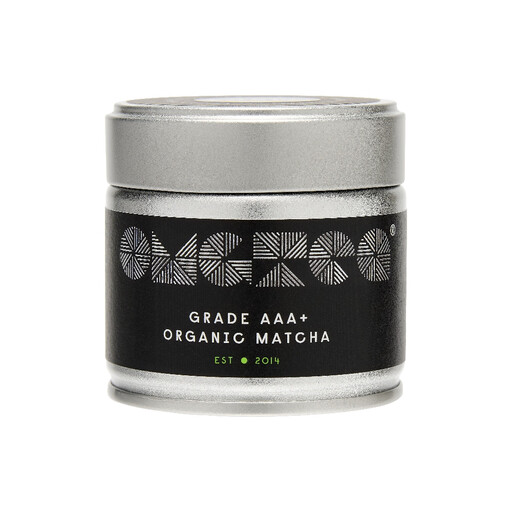
Why This Fits Their Persona: For those seeking an authentic tea ceremony experience at home, this matcha is crafted for purists. It is designed to be whisked with water and enjoyed straight, delivering the deep, savoury umami flavour expected of a high-end Japanese tea.
This product directly counters the "ceremonial grade" myth. Its description specifies it is from the first harvest, stone-ground and has a brilliant jade green colour—all verifiable hallmarks of true ceremonial quality, not just a label.
It offers a naturally sweet, creamy and savoury flavour with zero bitterness. The microscopic particle size ensures a silky, smooth mouthfeel when whisked correctly.

Why This Fits Their Persona: Ideal for those needing a quick, high-quality caffeine fix without brewing. This ready-to-drink coffee from a leading Japanese brand is perfect for commutes, office breaks or a simple pick-me-up at home.
It avoids the pitfall of overly sweet canned drinks. The "lightly sweet" formula provides a balanced taste, while its origin from Suntory ensures an authentic Japanese coffee profile, not a generic, Westernised version.
Made with high-quality Japanese milk and a blend of deep-roasted beans, it delivers a smooth, rich coffee flavour without bitterness. It can be enjoyed straight from the can or over ice.
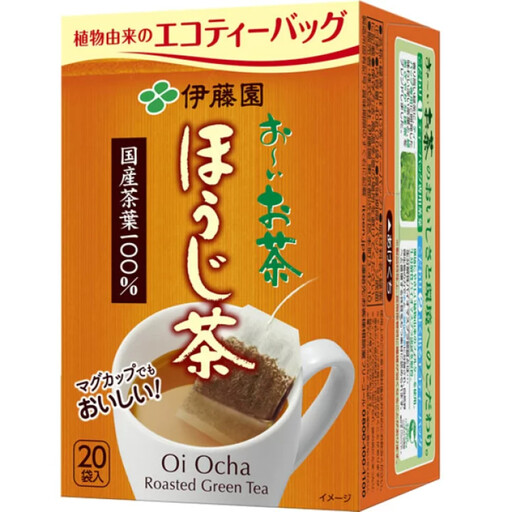
Why This Fits Their Persona: This is an excellent starting point for anyone curious about Japanese teas beyond standard green tea. The convenient tea bag format from a trusted brand like Itoen makes it easy to enjoy the unique, comforting flavour of hojicha without any special equipment.
By choosing a product from Itoen, one of Japan's largest tea producers, you avoid the risk of an inauthentic, poorly made tea. This ensures you are tasting hojicha as it is meant to be: toasty, nutty and smooth.
It is naturally low in caffeine, making it a soothing drink for any time of day, even in the evening. The tea bags offer a consistent and mess-free brewing experience.
We have compiled a complete, real-time list of products that fully satisfy these strict selection criteria and UK safety regulations.
1. How should I store matcha powder to keep it fresh? Once opened, matcha is susceptible to oxidation from light, air and humidity, which degrades its colour and flavour. To preserve its freshness, store the powder in its airtight container in the refrigerator. Keep it away from strong-smelling foods, as it can absorb odours.
2. Is Japanese canned coffee meant to be served hot or cold? It is highly versatile. Most people in the UK enjoy it chilled directly from the can or poured over ice, especially during warmer months. However, it can also be enjoyed at room temperature. For a warm drink, you can gently heat the can by standing it in a bowl of hot water (do not microwave the can).
3. What is the main difference between Japanese green tea and other green teas? The key difference lies in the processing. Japanese green teas like Sencha and Gyokuro are typically steamed shortly after harvesting. This steaming process halts oxidation and helps lock in the fresh, vegetal flavour and vibrant green colour. In contrast, many Chinese green teas are pan-fired, which gives them a toastier, more mellow flavour and a slightly darker hue.