
24/7 Customer Support

Free returns

Same-day & Next-day Delivery

Quality Guaranteed

Unlock Your Welcome Offers: FREE Delivery | Up to 80% OFF | Free 30-day JoyPlus trial
Download the APP
Finding authentic ingredients to perfect your homemade ramen or oden can be a challenge. If you've been searching for that specific bouncy texture and savoury flavour that only genuine Japanese fish cake can provide, you know that navigating the options available online can be confusing. As the Joybuy Product Recommendation Officer, my role is to help you understand these ingredients better, so you can choose with confidence and bring the true taste of Japan to your kitchen.
This guide will walk you through the different types of fish cake, what to look for when buying and offer some of our top recommendations available for delivery across the UK.
Before adding an item to your basket, a little knowledge goes a long way. Here are a few practical points to consider when you decide to buy Japanese fish cake online UK.
Japanese fish cake, or kamaboko, is a broad term for a variety of products made from puréed white fish (surimi). The shape, cooking method and added ingredients determine its type. The three most common you'll encounter are:
The base of any good fish cake is high-quality fish paste, often made from pollock or whiting. It's always wise to check the ingredient list for key components and potential allergens. Common additions include starch, sugar, salt and soybean protein. Many products also contain egg or wheat, so be sure to review the label carefully if you have any dietary restrictions. Reputable brands like Kibun provide clear allergen information on their packaging.
Think about how you plan to use the fish cake. Are you looking for a simple ramen topping or a versatile ingredient for hot pots and bentos? Some products, like narutomaki, are often pre-sliced and ready to use. Others, like chikuwa, can be enjoyed cold as a snack or heated in various dishes. Also, check whether the product is sold refrigerated or frozen, as this will affect storage and shelf life.
Based on their authentic preparation and versatility in the kitchen, here are a few standout options from the Asian grocery selection.
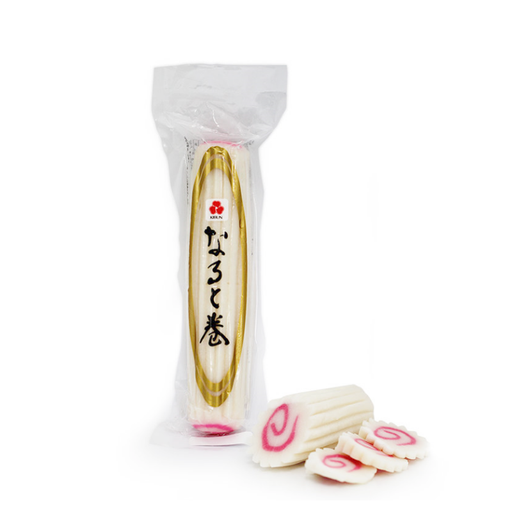
Why It Stands Out This is the quintessential narutomaki that brings an immediate sense of authenticity to any bowl of ramen. The distinctive pink swirl is not just for show; it signifies a classic ingredient crafted to complement, not overpower, rich broths. Made from finely ground fish paste, it has a mild, clean seafood taste and a delightfully springy texture. Its pre-cooked and ready-to-use format makes it incredibly convenient for a quick meal upgrade.
Pros
Who is it for? Home cooks aiming to recreate restaurant-style ramen or anyone looking to add a colourful, traditional touch to bento boxes and noodle salads.
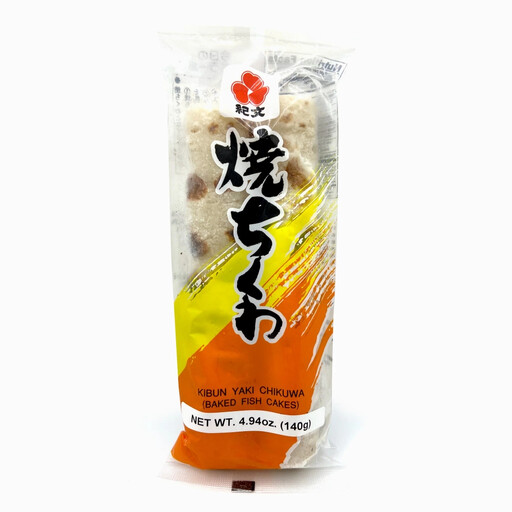
Why It Stands Out This chikuwa delivers a wonderful textural and flavour contrast. The fish paste is formed into tubes and carefully grilled, resulting in a golden, slightly charred exterior that imparts a subtle smoky aroma. Inside, it remains tender and juicy. Its hollow shape makes it perfect for soaking up broths in a hot pot, and its satisfyingly chewy texture holds up well in stir-fries or simply sliced as a snack.
Pros
Who is it for? Those looking for a core oden ingredient or a versatile, high-protein component for quick meals and snacks.
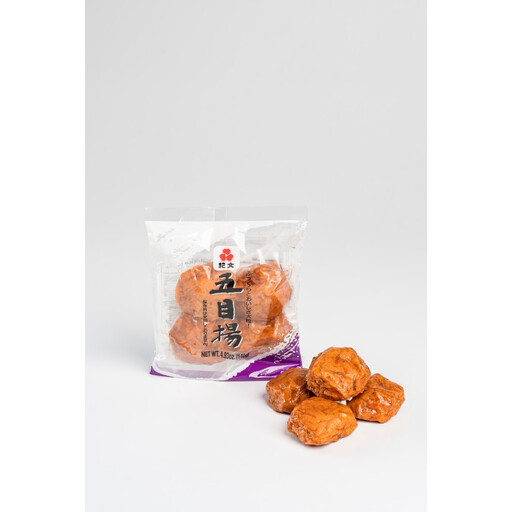
Why It Stands OutGomoku Age is a type of satsuma-age, a deep-fried fish cake popular in Japan. This version from Kibun is crafted with a blend of fish paste and finely chopped vegetables like carrots and onions. The deep-frying process gives it a rich, savoury flavour and a slightly more robust texture than steamed varieties. It excels at absorbing the flavours of the dishes it's cooked in, making it a fantastic addition to hearty stews and noodle soups.
Pros
Who is it for? Foodies who enjoy a richer, more complex flavour in their fish cakes, particularly for use in oden, noodle soups or as a standalone side dish.
If these recommendations aren't quite what you're looking for, or if you're curious about other varieties, there are many more to discover. From different shapes to unique flavour profiles, the world of Japanese fish cake is vast.
Explore our complete collection of Japanese fish cake to find the perfect ingredient for your next meal.
Q1: What is Japanese fish cake made of? Japanese fish cake is made from surimi, which is a purée of white fish (commonly pollock or whiting). This paste is mixed with ingredients like salt, sugar, modified starch and egg white to create a cohesive, springy texture. It is then formed into various shapes and cooked by steaming, grilling, boiling or frying.
Q2: How do you cook Japanese fish cake? Most commercially sold Japanese fish cakes are pre-cooked and safe to eat as is. However, their flavour and texture are often enhanced with heating. You can slice them and add them to soups like ramen or udon in the last few minutes of cooking, include them in a simmering oden hot pot, pan-fry them for a stir-fry or even lightly grill them. Always check the package for specific usage instructions.
Q3: Is narutomaki the same as kamaboko?Narutomaki is a specific type of kamaboko. While all narutomaki are a form of kamaboko, not all kamaboko are narutomaki. The term kamaboko refers to the general category of steamed fish cakes, whereas narutomaki specifically describes the variety with the signature pink swirl, most famously used as a ramen topping.