
24/7 Customer Support

Free returns

Same-day & Next-day Delivery

Quality Guaranteed

Unlock Your Welcome Offers: FREE Delivery | Up to 80% OFF | Free 30-day JoyPlus trial
Download the APP
As a home cook in the UK with a passion for authentic Japanese cuisine, you know the challenge. Finding the right ingredients to perfect your homemade ramen, assemble a comforting bowl of oden or pack a visually appealing bento box can be difficult. The search for genuine Japanese fish cake often leads to confusion about the different types and their uses.
This guide is designed to help. As the Joybuy Product Recommendation Officer, my role is to provide clear, practical advice to help you select the right products for your culinary projects. We will explore the key varieties of Japanese fish cake, offer tips for buying them online and present some of our top recommendations to get you started.
Navigating the world of Japanese food online is easier when you know what to look for. Here are a few pointers to help you make an informed choice.
Japanese fish cake, or surimi, comes in many forms. Understanding the main types will help you match the ingredient to your recipe.
Always check the product details before purchasing. The ingredient list will confirm the fish content and highlight any potential allergens, such as wheat, soy or egg. Pay attention to the storage instructions. Some fish cakes are sold frozen and have a long shelf life, while others are refrigerated and should be consumed within a few days of opening. This will influence your meal planning and how you store them upon arrival.
Consider the final dish you plan to make.
Based on their quality, versatility and authentic character, here are a few standout options available for delivery in the UK.
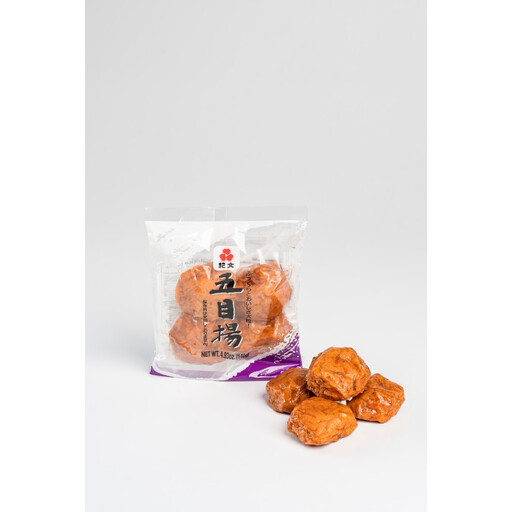
Why It Stands Out This deep-fried fish cake is distinguished by its rich, savoury flavour and satisfyingly dense texture, which is enhanced by a blend of finely chopped vegetables including carrots and onions. Its versatility makes it a fantastic all-rounder for the kitchen, capable of adding a substantial, flavourful element to a wide range of dishes.
Pros
Who is it for? This is an excellent choice for home cooks seeking a multi-purpose ingredient that brings a deep, savoury note to their cooking. It's particularly well-suited for hearty dishes like oden or as a simple, flavour-packed addition to a quick noodle lunch.
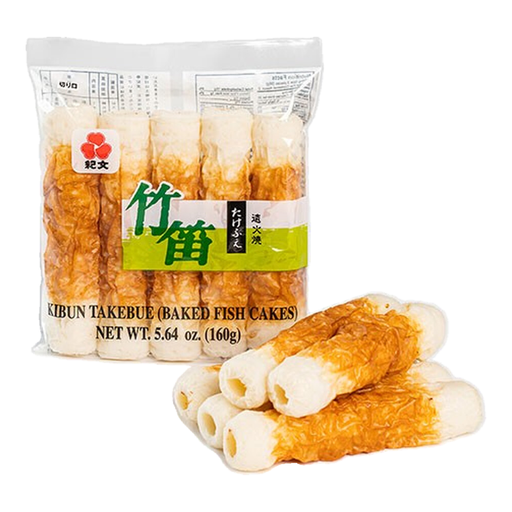
Why It Stands Out With its traditional flute-like shape and light grill marks, Kibun Takebue Chikuwa offers an authentic experience. The grilling process imparts a subtle smoky aroma that complements its tender, bouncy texture. It’s a classic component that brings both flavour and structural integrity to simmered dishes.
Pros
Who is it for? This is for the traditionalist who wants to create an authentic oden or add a classic touch to their udon or ramen bowls. Its unique shape and texture also make it a fun and interesting addition to a child's bento box.
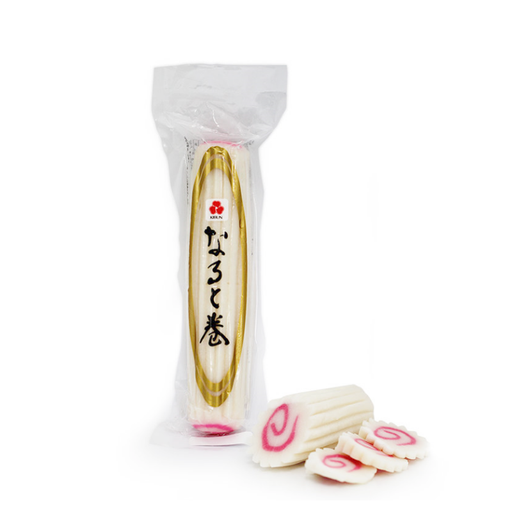
Why It Stands Out Instantly recognisable by its iconic pink swirl, narutomaki is the quintessential ramen topping. This product delivers that classic visual appeal along with a clean, mild seafood flavour and a delightfully springy bite. It doesn't overpower other ingredients, instead complementing the rich broth of a well-made ramen.
Pros
Who is it for? Perfect for ramen enthusiasts aiming to replicate that restaurant-quality look and feel at home. It's also a great way to add a splash of colour and fun to bento boxes, salads and simple noodle soups.
These recommendations are a great starting point, but the world of Japanese fish cake is vast. If you're looking for different shapes, flavours or brands, there are many more to discover.
To see a wider selection of authentic ingredients for your next culinary creation, feel free to explore our full range of Japanese fish cakes.
Explore the Full Cake Fish Category
What does Japanese fish cake taste like? Most Japanese fish cakes have a mild, subtly sweet and savoury seafood flavour. The texture is typically firm, smooth and bouncy. The taste can vary by type: steamed kamaboko is very clean and mild, while grilled chikuwa has a light smokiness and deep-fried varieties are richer and more savoury.
How do you cook Japanese fish cake? Many types, including narutomaki and chikuwa, are pre-cooked and can be eaten as is. They are commonly added to dishes to be heated through. You can slice them into salads or bento boxes, add them to soups like ramen and oden in the last few minutes of cooking or lightly pan-fry or grill them to enhance their flavour.
Is kamaboko a nutritious food? Japanese fish cake is generally a good source of protein and is relatively low in fat. For example, the Kibun Narutomaki contains 6.0g of protein and only 0.8g of fat per 100g. However, like many processed food items, it can be high in sodium, so it is best enjoyed in moderation as part of a balanced meal.