
24/7 Customer Support

Free returns

Same-day & Next-day Delivery

Quality Guaranteed

Unlock Your Welcome Offers: FREE Delivery | Up to 80% OFF | Free 30-day JoyPlus trial
Download the APP
Japanese and international fizzy drinks offer far more variety than standard supermarket shelves, from melon ramune and Korean milk soda to Mexican cola, functional fruit fizz and zero-sugar lemon and lime drinks. However, attractive packaging and unfamiliar flavours can make it difficult to compare products fairly.
Before buying, watch for three common pitfalls:
The practical solution is to compare the label, serving format and intended use rather than relying on front-of-pack marketing.
Use the per 100ml nutrition panel to compare carbonated soft drinks consistently. A 330ml can of Sprite contains 15g of sugar, while Coca-Cola Original Taste contains 35g per 330ml serving. Hata Melon Ramune contains 19.6g of sugar per 200ml bottle, and Sangaria Melon Soda lists 11g per 100ml.
For lower-sugar or zero-sugar soft drinks, check the sweeteners and warnings as well as the calorie figure. 7UP Zero contains no sugar and 7 calories per 330ml can, but its ingredients include aspartame and acesulfame K, and the product carries a source-of-phenylalanine warning. Schweppes Original Lemonade also contains sweeteners and a source of phenylalanine.
Functional and probiotic soda requires a similar approach. Living Things varieties list 1.5–1.7g of sugar per 100ml, fibre and live cultures. These features describe the contents, not a medical benefit, so they should not replace a varied diet.
Glass bottles can provide a distinctive presentation for parties, but they are heavier and more fragile than cans. The Hata Melon Ramune bottle is 200ml and uses a Codd-neck marble stopper. Open it carefully with the supplied plunger, keep the marble away from small children and refrigerate after opening. The product information advises consuming it within two days once opened.
For everyday use, cans are generally easier to chill, distribute and recycle. Multipacks such as 7UP Zero 8 x 330ml, Sprite 8 x 330ml and Coca-Cola Original Taste 24 x 330ml are practical for homes, offices and gatherings. Always follow the packaging instructions for pressurised containers, and do not freeze fizzy drinks.
“Japanese-style” does not always mean manufactured in Japan. Hata Melon Ramune delivers a Japanese-style ramune experience but lists China as its country of origin. SANKO Pineapple Soda, by contrast, is made in Japan. Lotte Milkis Strawberry Soda and Lotte Milkis Banana are products of Korea, while Jarritos Mexican Cola is made in Mexico.
Check the complete UK label before consumption, particularly when buying imported drinks. Some products contain milk or soya, while others carry a source-of-phenylalanine statement. Cola drinks such as Coca-Cola Original Taste and Jarritos Mexican Cola contain caffeine. Formulations and packaging may change, so the physical label remains the final reference.
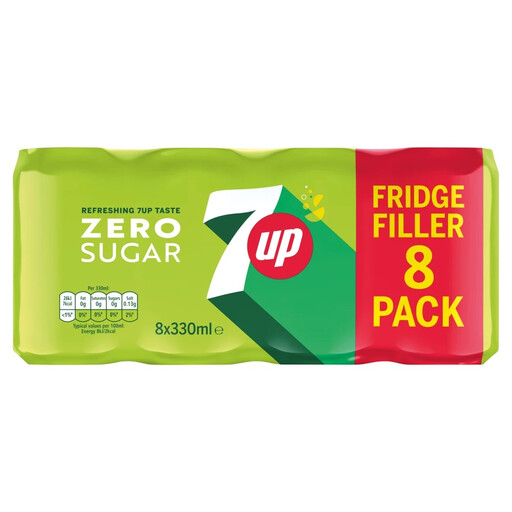
Why This Fits Their Persona: An accessible eight-can format for shoppers who want a familiar lemon and lime flavour without committing to a large case.
The label clearly states zero sugar and provides per-can nutrition, helping you compare it with standard flavoured soda.
330ml cans; zero sugar; 2 calories per can; suitable for vegetarians and vegans.
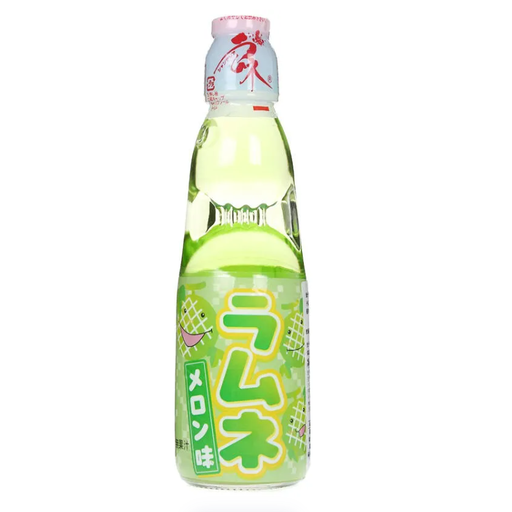
Why This Fits Their Persona: A novelty Japanese-style soda for collectors, world-food enthusiasts and hosts creating an interactive tasting moment.
The listing identifies the 200ml serving, marble stopper and China origin, so the novelty format is clear before purchase.
Melon flavour; classic Codd-neck glass bottle; 78 calories per bottle.

Why This Fits Their Persona: A large can multipack for parties, family gatherings, movie nights or regular fridge stock.
The 24 x 330ml quantity is explicit, avoiding confusion between a single can and a case purchase.
24 individual 330ml cans; familiar cola flavour; contains caffeine.
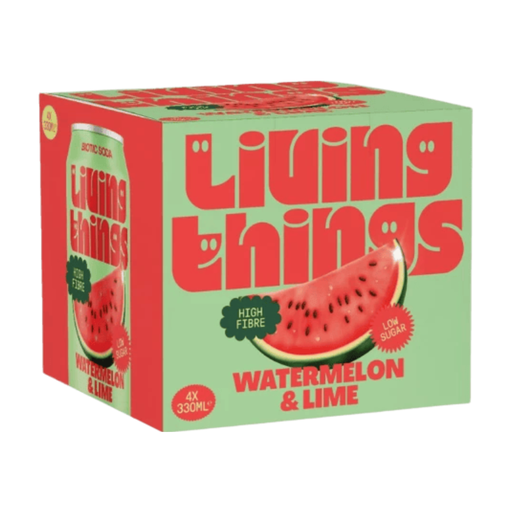
Why This Fits Their Persona: A four-can option for shoppers seeking fruit-flavoured fizzy drinks with lower sugar and added fibre.
Its listed nutrition shows 1.7g sugar and 13 calories per 100ml, while the ingredients identify chicory root inulin and live cultures.
Four 330ml cans; watermelon and lime flavour; 1.7g sugar per 100ml; contains fibre and live cultures.
We have compiled a complete, real-time list of products that fully satisfy these strict selection criteria and UK safety regulations.
No. Some products provide a Japanese-style flavour or serving format but are manufactured elsewhere. For example, Hata Melon Ramune lists China as its country of origin, while SANKO Pineapple Soda lists Japan. Check the origin statement on the product page and physical packaging.
Place the supplied plunger over the marble and press it down carefully to release the carbonation. Keep the bottle upright, refrigerate it after opening and follow the stated consumption guidance. The marble stopper can pose a choking hazard, so keep it away from small children.
They may suit shoppers comparing sugar or calorie intake, but “zero sugar” does not mean ingredient-free. Check the sweeteners and warnings, including phenylalanine statements. People with allergies or specific dietary requirements should always read the current UK label before drinking.