
24/7 Customer Support

Free returns

Same-day & Next-day Delivery

Quality Guaranteed

Unlock Your Welcome Offers: FREE Delivery | Up to 80% OFF | Free 30-day JoyPlus trial
Download the APP
Buying Japanese food online UK shoppers can trust is convenient, but product pages do not always make the most important details easy to compare. A low-looking price may reflect a very small pack, while “authentic” wording may describe flavour inspiration rather than Japanese origin.
Whether you are preparing sushi, filling a student cupboard or arranging an Asian-style family meal, use the checks below before placing an order.
Japanese-style sausages, sauces and snacks may be produced in China, the UK, Germany or elsewhere. This does not automatically make them unsuitable, but country of origin matters if you are specifically looking for authentic Japanese ingredients or products made in Japan.
Check the product description and packaging details rather than relying only on names such as “Japanese style”, “Tokyo” or “traditional”.
Japanese frozen food, chilled onigiri and mochi ice cream need different handling from ambient snacks or pantry staples. A frozen product may be unsuitable if you cannot receive it promptly or store it at -18°C or below. Chilled food often has a short use-by window after opening.
Before ordering, confirm:
Flavour descriptions do not tell you whether a product contains wheat, soya, milk, egg, fish or sesame. They also do not show portion size, salt content or preparation time. Always read the ingredient and allergen information, particularly when buying sushi ingredients, Japanese sauces and condiments or snacks for children.
Compare the net weight with how you plan to use the product. A 40g pack of dried wakame can go a long way because the seaweed is rehydrated, whereas a 100g onigiri is designed as an individual meal or snack.
For regular sushi making, a 5kg bag of short-grain rice may be more practical than several small packs. For occasional entertaining, smaller portions can reduce waste and storage pressure.
Convenience varies widely across Japanese ready meals and frozen products:
Follow the instructions on the product packaging, including cooking times and temperature guidance.
Look for clearly listed ingredients and bold allergen declarations. Soya sauce commonly contains soya beans and wheat, while mayonnaise may contain egg, soya, barley and mustard. Japanese desserts can include wheat, milk, egg and soya even when the main flavour is matcha or red bean.
Nutrition panels are useful for comparing products. For example, dried seaweed is concentrated, so its salt value per 100g should not be interpreted in the same way as a ready-to-eat meal. Consider the amount used in a serving and season dishes accordingly.
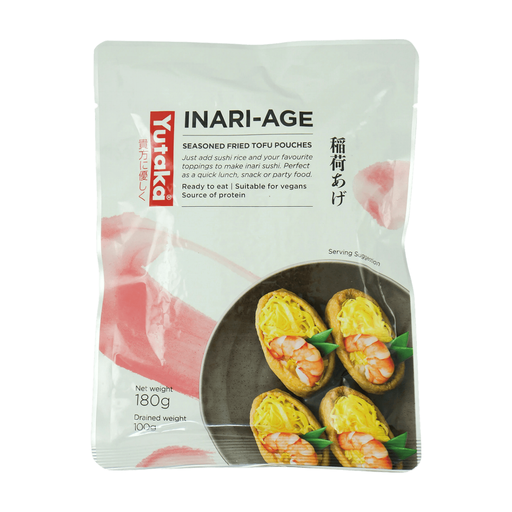
Why This Fits Their Persona: Ready-to-use inari pouches make it easier for beginners to prepare sushi-style food at home without shaping raw fish or rolling maki.
The pack states that the pouches are ready to use, while the ingredient and allergen information identifies soya beans and wheat.
Ten seasoned pouches; suitable for vegan diets according to the supplied product information; store unopened in a cool, dry place.
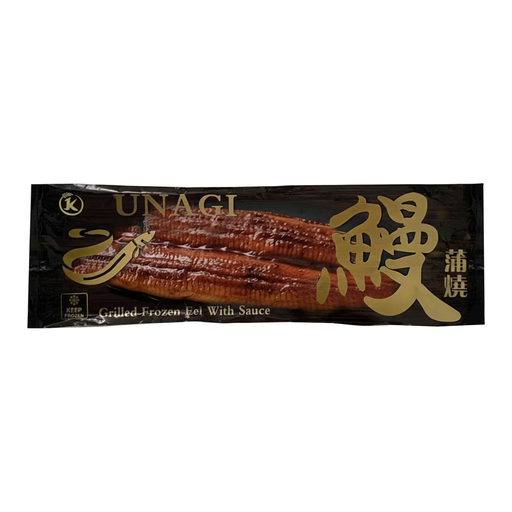
Why This Fits Their Persona: A convenient option for shoppers who want a prepared eel component for rice bowls, sushi or a Japanese-style dinner at home.
The listing specifies frozen storage, eel content of 80% and preparation methods, helping you assess portion and effort before ordering.
198g approximate net weight; supplied with sauce; microwave and boiling-water preparation options are listed.
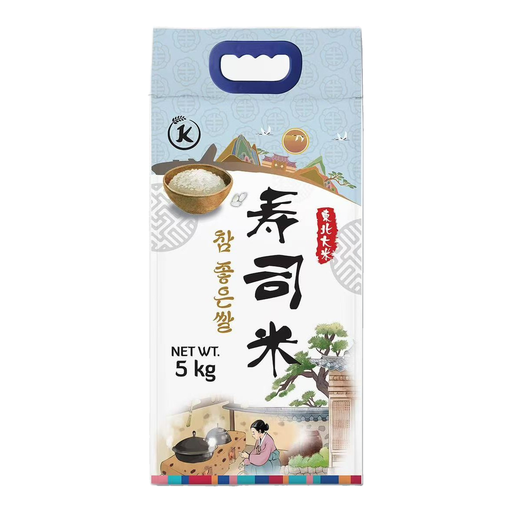
Why This Fits Their Persona: Regular sushi makers, families and catering-style home cooks can use the larger bag for sushi, onigiri and rice bowls.
The 5kg quantity is clear, avoiding the small-pack pricing trap. The listing also provides rinsing, soaking and cooking instructions.
Short-grain rice; 5kg net quantity; no declarable allergens listed; suitable for repeated sushi preparation.

Why This Fits Their Persona: A shareable Japanese dessert for afternoon tea, lunchboxes or adding variety to an Asian snack order.
The pack clearly states six pieces, 320g and the adzuki filling, so shoppers can assess sharing value and ingredients.
Made in Japan according to the supplied details; no cooking required; contains wheat, egg, soya and milk.
We have compiled a complete, real-time list of products that fully satisfy these strict selection criteria and UK safety regulations.
Availability depends on the seller, product type and delivery address. Ambient Japanese snacks, sauces and rice are generally easier to deliver than frozen or chilled goods. Check delivery terms and storage requirements before ordering, especially outside major towns and cities.
Start with short-grain sushi rice, sushi vinegar, nori and a filling such as seasoned inari pouches. A bamboo sushi rolling mat can help with rolled sushi, while ready-to-use toppings reduce preparation time. Check allergens in soya sauce, mayonnaise and seasoned fillings.
It depends on the category. Dry rice, snacks and unopened sauces usually have a longer shelf life when stored as directed. Chilled onigiri should be consumed within the stated period, while opened inari pouches and thawed frozen products require refrigeration and prompt use. Always follow the product label rather than relying on a general rule.