
24/7 Customer Support

Free returns

Same-day & Next-day Delivery

Quality Guaranteed

Unlock Your Welcome Offers: FREE Delivery | Up to 80% OFF | Free 30-day JoyPlus trial
Download the APP
As a Joybuy Product Recommendation Officer, I see how the popularity of Japanese fruit gummies has grown across the UK. Drawn in by vibrant packaging and the promise of unique flavours, many shoppers are keen to explore these Asian sweets. However, not all gummies are created equal, and it's easy to be disappointed if you don't know what to look for.
Many first-time buyers fall into a few common traps. Let's look at how to sidestep them and find the soft fruit sweets that truly deliver on taste and texture.
Navigating the world of imported confectionery can be tricky. Here are two frequent issues that can lead to a less-than-satisfying experience:
real fruit juice gummies list juice or puree prominently in their ingredients.Japanese chewy candy is its unique texture, which can range from incredibly soft and bouncy to dense and long-lasting. However, some products miss the mark, ending up either tough, unpleasantly sticky or with a generic jelly-like consistency that feels no different from standard supermarket sweets.To ensure you are getting a quality product, focus on these two key parameters. They are the difference between a memorable treat and a forgettable one.
The secret to authentic flavour lies in the ingredients. When you're looking for a rich mango gummies or a floral lychee candy, check the packaging for these terms:
The distinctive mouthfeel of Japanese gummies comes from their gelling agents. The primary one to look for is gelatine, which is responsible for the classic chewy, bouncy texture found in many popular brands like Kasugai. The specific formulation and manufacturing process create a texture that is noticeably different from many Western sweets. Some brands, like Morinaga Hi-Chew, offer a different experience altogether—a denser, taffy-like chew that softens as you eat it. Understanding this can help you choose a texture you'll enjoy.
Instead of a generic list, we've matched some standout options to different preferences, helping you find the right fit for your snacking style.
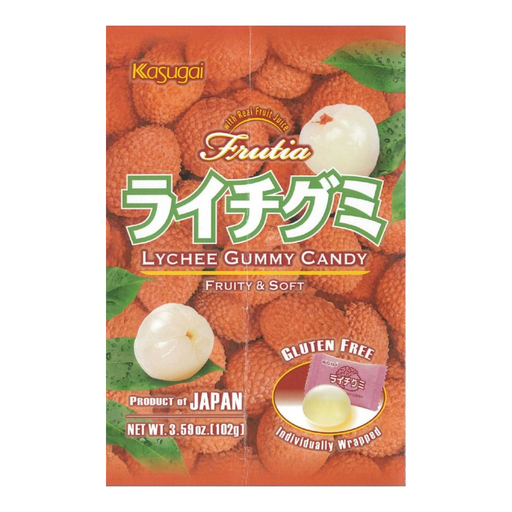
Why This Fits Their Persona: For those in the UK who prioritise genuine taste over novelty, this lychee candy is an excellent choice. It delivers a fragrant, floral and sweet flavour that is remarkably true to the actual fruit, making it a sophisticated treat.
It directly counters the "artificial flavour" pitfall by using concentrated lychee juice as a core ingredient, ensuring an authentic and aromatic taste experience rather than a synthetic one.
Its classic soft and chewy texture is a hallmark of Kasugai gummies. The individual wrapping also makes them great sweets for lunchbox treats, keeping them fresh and hygienic.
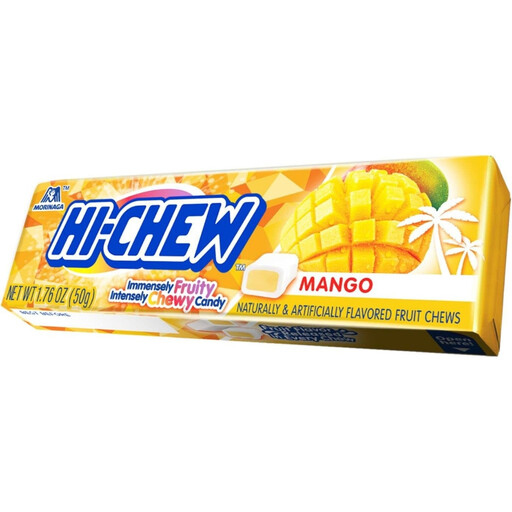
Why This Fits Their Persona: If the unique mouthfeel of Japanese chewy candy is what you're after, Morinaga Hi-Chew is a must-try. Its texture is unlike typical gummies—it's a dense, smooth and incredibly long-lasting chew that slowly melts in your mouth.
This candy completely avoids the "texture mismatch" pitfall by offering a signature chew that is its main selling point. It provides a satisfying, substantial bite that is both soft and resilient.
The dual-layer structure, with a flavoured centre and outer coating, provides a layered taste release. The use of concentrated mango juice ensures a vibrant, tropical flavour.
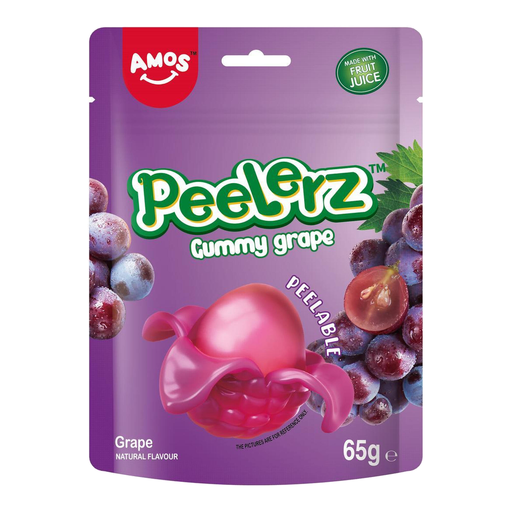
Why This Fits Their Persona: Ideal for families and those looking for a playful treat, these gummies offer an interactive experience. The ability to peel the outer "skin" from the soft centre adds a layer of fun that makes them stand out from typical sweets.
It avoids being just another generic sweet by providing a unique, engaging feature. The dual-texture design is intentional and well-executed, delivering on its promise of a fun, peelable candy.
The interactive element makes it a great choice for party bags or as a novel lunchbox surprise. It uses concentrated white grape juice for a pleasant, fruity flavour.
We have compiled a complete, real-time list of products that fully satisfy these strict selection criteria and UK safety regulations.
Most traditional Japanese fruit gummies are not suitable for vegetarians or vegans. They typically use pork-based gelatine to achieve their signature chewy texture. It is essential to always check the ingredient list on the packaging before purchasing if you follow a vegetarian or vegan diet.
To maintain their ideal texture and flavour, store the gummies in a cool, dry place away from direct sunlight and heat. High humidity can make them sticky, while heat can cause them to melt. Once a bag is opened, it's advisable to seal it tightly or transfer the contents to an airtight container to prevent them from drying out and hardening.
The difference often comes down to the specific ingredients and production techniques. Many Japanese manufacturers use carefully selected types of gelatine, starch syrups and sometimes pectin to create a wide range of textures—from the very soft, almost melt-in-your-mouth feel of some Kasugai gummies to the dense, long-lasting chew of Morinaga Hi-Chew. This focus on a specific mouthfeel is a key characteristic that sets them apart from the often firmer or more uniform texture of many Western gummy sweets.