
24/7 Customer Support

Free returns

Same-day & Next-day Delivery

Quality Guaranteed

Unlock Your Welcome Offers: FREE Delivery | Up to 80% OFF | Free 30-day JoyPlus trial
Download the APP
Plain rice can become a satisfying meal with just a small sprinkle of Japanese furikake seasoning. However, the growing range of Japanese rice seasoning products can make it difficult to compare flavour, ingredients, allergens and value. Whether you want a nori furikake for sushi, bonito flakes furikake for umami depth or a spicy topping for noodles, checking the label matters more than attractive packaging.
Words such as “umami”, “authentic” and “premium” do not tell you how a seasoning will taste in everyday use. A seaweed-heavy blend may be savoury and crisp, while a bonito-based mix can have a stronger fish flavour. Yuzu kosho furikake usually brings citrus fragrance and chilli warmth rather than a simple salty taste.
Check the ingredient list to see which ingredients appear first. This gives a clearer indication of the blend’s composition than front-of-pack descriptions.
Many furikake products include sesame, soya, wheat, fish, milk or egg. This is particularly important if you are buying Japanese pantry staples for a shared household or serving them at a dinner party.
Always read the current packaging before eating. Ingredients and allergen information can change, and online descriptions should not replace the label supplied with the product.
Furikake is generally used in small quantities, often around one or two teaspoons per bowl. A 50g packet or jar may provide several meals, but value depends on how generously you sprinkle it and whether the seasoning works across different dishes.
A versatile Japanese seaweed seasoning can be used on rice, eggs, noodles, salads, soups and avocado toast. This may make it more practical than a blend suited only to one recipe.
Look for the ingredients that define the eating experience:
For a mild everyday topping, a sesame and nori blend may be easier to use. If you enjoy pronounced flavours, wasabi, bonito or yuzu kosho varieties are more distinctive.
Furikake is a concentrated condiment, not a main ingredient. Compare the nutrition panel, especially salt per 100g, and use a modest amount at first. For example, the NIHONKAISUI Furikake Nori Wasabi lists approximately 15g of salt per 100g, while the NIHONKAISUI Urashima Nori Seaweed Furikake lists approximately 4.6g per 100g. These figures illustrate why different blends should not be compared by name alone.
Sugar levels also vary. A sweeter blend may work well with plain rice or children’s portions, while a more savoury mix may be preferable for noodles and soups.
Crisp ingredients absorb moisture quickly. Choose a resealable packet or jar where possible, then store it in a cool, dry place away from direct sunlight and humidity. Close the container tightly after every use.
Follow the product’s storage instructions rather than assuming refrigeration is needed. Some products advise against refrigerating or freezing, while others recommend refrigeration after opening to preserve citrus aroma. Check the best-before information on the packaging.

Why This Fits Their Persona: A practical starting point for UK shoppers who want one adaptable sesame rice seasoning for rice, onigiri, sushi, salads, pasta, eggs and meat.
Its stated ingredients clearly identify sesame, nori, aonori, sugar, salt and soya sauce, making the flavour and allergen profile easier to assess.
50g pack; roasted white and black sesame; suitable for both rice and wider everyday cooking.
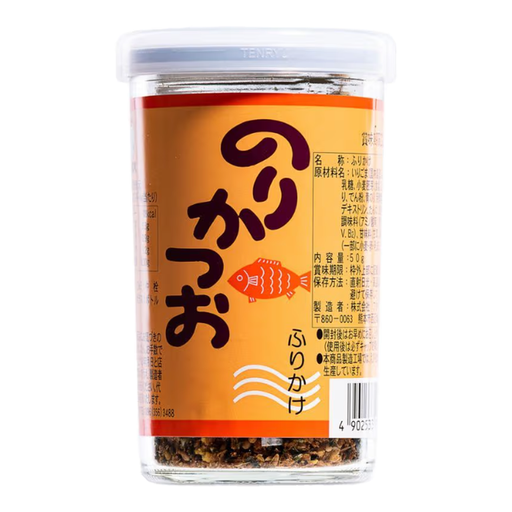
Why This Fits Their Persona: Suitable for cooks seeking a more pronounced savoury profile for steamed rice, porridge, noodles, soups and grilled vegetables.
The ingredient list states dried fish flakes at 22%, along with nori and aonori, so shoppers can identify the source of its fish-forward flavour.
Resealable packet; ready to use; contains fish, sesame, soya, wheat, milk and egg, with allergens clearly listed.

Why This Fits Their Persona: A match for cooks who regularly prepare soba, udon, grilled fish, tofu, eggs, dressings or dishes that benefit from citrus and chilli.
The product specifies 10% yuzu peel powder and 3% shishito pepper powder, while also warning that it is high in salt and should be used sparingly.
Ready to sprinkle; designed for use after cooking; contains fish, soya and wheat, with refrigeration recommended after opening.
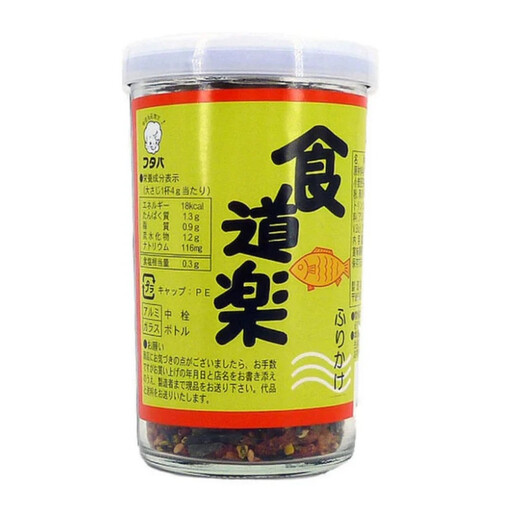
Why This Fits Their Persona: Useful for quick weekday meals where one jar needs to work with cooked rice and other dishes without preparation.
Its listed ingredients include sesame, dried fish, seaweed, soya and wheat, giving a clear picture of its savoury, textured style before purchase.
50g jar; no cooking required; suitable for rice and other dishes, subject to its milk, soya, wheat and possible fish or egg allergens.
We have compiled a complete, real-time list of products that fully satisfy these strict selection criteria and UK safety regulations.
Start with one to two teaspoons over warm steamed rice, then adjust to taste. Other practical uses include:
Avoid cooking delicate seaweed or citrus blends for too long, as heat and moisture can reduce their crispness and aroma.
Follow the best-before date and storage instructions on the packet or jar. Once opened, reseal it tightly and keep it away from moisture. Some bonito-based products advise consuming within three months for the preferred texture and flavour.
It depends on the ingredients and the child’s dietary needs. Many blends contain salt, sesame, soya, wheat, fish, milk or egg. Check the label carefully, use a small amount and supervise younger children because dry seeds and flakes may present a choking concern.
Furikake is used in relatively small amounts, so a 50g pack can cover multiple meals. To compare value, consider the pack size, suggested serving quantity, ingredient mix and how many dishes you will use it with, rather than comparing shelf price alone.