
24/7 Customer Support

Free returns

Same-day & Next-day Delivery

Quality Guaranteed

Unlock Your Welcome Offers: FREE Delivery | Up to 80% OFF | Free 30-day JoyPlus trial
Download the APP
Japanese green tea can range from finely milled matcha powder to convenient bottles for the office or commute. However, attractive packaging and phrases such as “premium”, “energy boost” or “antioxidant rich” do not always tell you whether a product suits your routine.
Before buying, focus on the format, ingredients, preparation requirements and storage instructions. This helps UK shoppers avoid paying for a product that is too sweet, too fiddly or unsuitable for their preferred way of drinking tea.
Japanese tea drinks may be sweetened, even when green tea is the main flavour. For example, a ready-to-drink bottle can contain sugar, fructose or flavourings, while an unsweetened green tea usually lists water, tea extract and permitted processing ingredients.
Check the nutrition panel per 100ml, not just the front label. This is particularly important when buying larger bottles, multipacks or flavoured drinks such as yuzu green tea and jasmine green tea.
Matcha powder is consumed in its entirety, unlike a tea bag where the leaves are removed. This makes freshness, colour, texture, origin and ingredients more relevant. The term “ceremonial grade matcha” is widely used in retail, but grading terminology can vary between sellers.
Look for a clear ingredient list, net quantity, storage guidance and preparation instructions. A product made from 100% green tea is easier to assess than a blend containing undisclosed sweeteners or flavourings.
Loose-leaf tea can offer flexibility, but it requires a kettle, a cup or pot and time to measure and strain. Tea bags are simpler for a desk or student accommodation. Ready-to-drink green tea is convenient for travel, but bottles take up more cupboard and fridge space and may have a shorter consumption window after opening.
Consider when and where you will drink it before choosing the product.
For unsweetened green tea, look for no sugar or sweetener in the ingredient list and confirm the nutrition panel. ITOEN Oi Ocha, for example, is supplied in 330ml bottles and lists water, green tea extract, ascorbic acid, sodium ascorbate and sodium carbonates.
By contrast, Uni Green Tea 2L contains sugar and green tea extract, with the supplied product information listing 7.5g of sugars per 100ml. It may suit shoppers who prefer a sweeter chilled drink, but it is not equivalent to an unsweetened tea.
Flavoured products also need careful checking. Jasmine green tea, yuzu green tea and strawberry green tea can have very different ingredient profiles. Oishi White Strawberry Green Tea Drink includes fructose, sugar and white strawberry juice, so it should be selected as a flavoured soft drink-style tea rather than assumed to be sugar-free.
Matcha is whisked or stirred into water, while tea bags and loose leaf are infused. Yamasekien-Seicha Matcha Powder 40g recommends approximately 70–80°C water, around 0.8g of powder and 100ml of water. Avoiding boiling water may help preserve a more delicate flavour and reduce bitterness.
Brewing instructions vary. Itoen Hojicha Premium Roasted Green Tea is supplied in 20 tea bags and is chosen for its roasted, slightly nutty profile. Hojicha roasted green tea is often selected for evening-style drinking, but roasting does not mean a product is caffeine-free. Check the packaging if caffeine intake is important.
A 30g or 40g matcha pack is practical for occasional drinks and recipes, while an 80g loose-leaf pack or 200g jasmine tea pack may suit frequent household use. Keep powdered and loose teas sealed in a cool, dry place away from direct sunlight, strong odours, heat and humidity.
Ready-to-drink products should be assessed by bottle size and opening instructions. Suntory Clear Tea Unsweetened Original Green Tea is supplied as 500ml bottles in a 15-pack and is described as sugar-free and calorie-free in the supplied product information. It is intended to be served chilled, making it suitable for packed lunches, office fridges and travel.
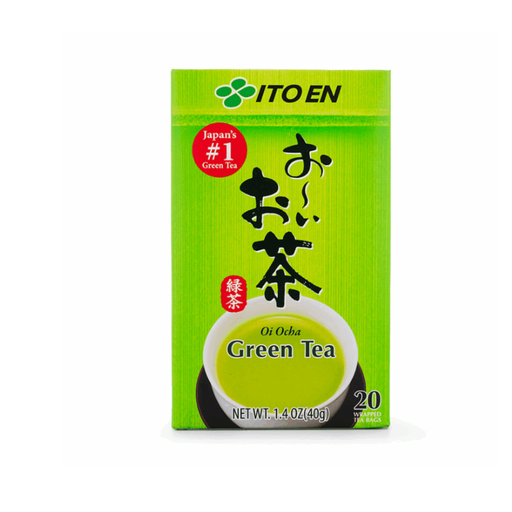
Why This Fits Their Persona: A straightforward starting point for students, tenants and office workers who want portioned Japanese tea without buying brewing equipment.
The 20-bag format avoids measuring loose leaves and makes portioning simple. The ingredient information identifies green tea and lists no allergens.
20 tea bags; suitable for hot or cold brewing according to the supplied product information.
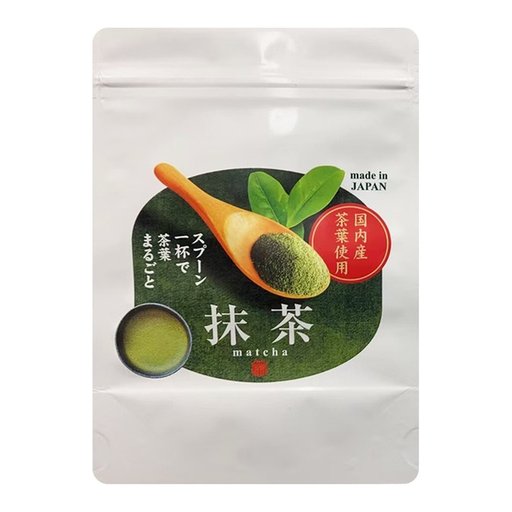
Why This Fits Their Persona: Suitable for shoppers who want powdered tea for traditional-style preparation as well as baking and Japanese-inspired recipes.
The product gives a defined water temperature, quantity and storage method, helping buyers assess practical use rather than relying only on grade wording.
100% green tea ingredient; 40g pack; suitable for drinks, desserts and ochazuke.
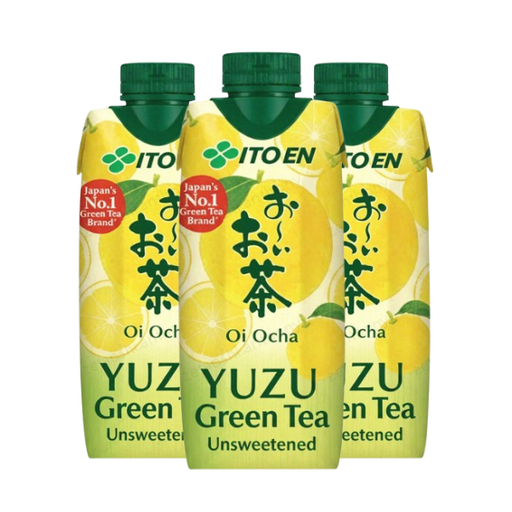
Why This Fits Their Persona: A compact option for commuters, packed lunches and shoppers who prefer a flavoured Japanese tea drink without added sugar.
The supplied ingredients list contains no sugar or sweetener, while the yuzu and matcha content is stated on the product information.
330ml x 3 format; zero sugar and zero calories per the supplied nutrition information.
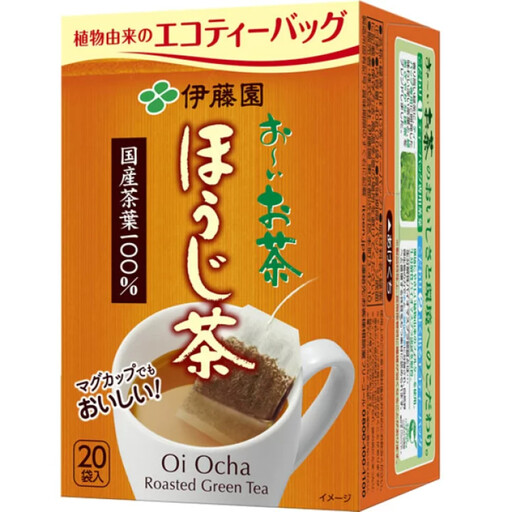
Why This Fits Their Persona: A convenient tea-bag choice for people who prefer a toasted, slightly nutty flavour over grassy or floral green tea notes.
It offers a roasted profile without requiring loose-leaf equipment. Buyers should still check the pack for current caffeine information rather than assuming it is caffeine-free.
20 tea bags; green tea ingredient; roasted flavour profile.
We have compiled a complete, real-time list of products that fully satisfy these strict selection criteria and UK safety regulations.
Traditional brewed green tea and plain tea bags do not require sugar, but bottled Japanese tea drinks may contain sugar, fructose or flavourings. Always read the ingredients and nutrition panel. “Green tea” on the front of a bottle does not by itself confirm that it is unsweetened.
Use approximately 0.8g of matcha with 100ml of water at around 70–80°C, then stir or whisk until dispersed. Boiling water can produce a harsher taste. Keep the opened pack tightly sealed and stored away from heat, moisture, sunlight and strong odours.
Japanese tea bags and small ready-to-drink bottles are usually the simplest options. Tea bags need only hot water, while a 330ml or 500ml bottle can be placed in a lunch bag or office fridge. Check sugar content, bottle quantity and storage instructions before ordering multipacks.